
Setting up a productive home office in the Philippines requires a smart approach to space management. With many residential spaces, condominiums, and townhouses featuring compact layouts, maximizing vertical space is often the most effective way to keep your workspace organized and clutter-free. An adjustable wall shelf offers the ultimate flexibility, allowing you to customize your storage layout as your collection of books, reference materials, and office devices changes over time. However, choosing the right shelving system involves more than just picking an attractive design. You must consider how the local climate, wall construction, and your specific daily workflow impact the safety and longevity of your storage setup.
In a tropical environment characterized by high humidity and seasonal temperature shifts, furniture materials behave differently than they do in drier climates. Standard office storage solutions can warp, sag, or develop mold if they are not carefully selected to match these environmental conditions. By focusing on structural integrity, material resilience, and secure installation methods, you can build a highly functional wall storage system that supports your professional tasks while keeping your valuable equipment safe. This guide outlines the essential factors to evaluate when selecting and installing adjustable wall shelves for your Philippine home office.
Core Selection Criteria for Home Office Shelves
When evaluating an adjustable wall shelf, the mechanism that allows you to change the shelf height is your first major consideration. Different adjustability systems offer varying levels of stability, ease of reconfiguration, and aesthetic appeal.
Products mentioned in this guide
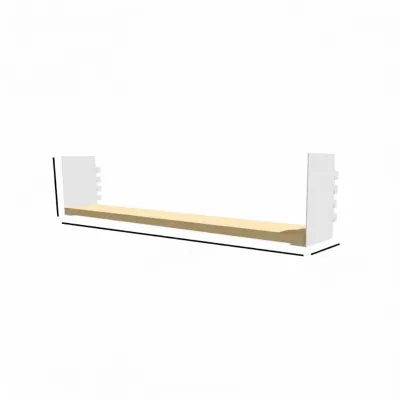
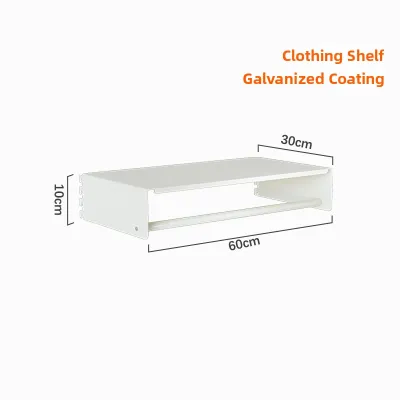
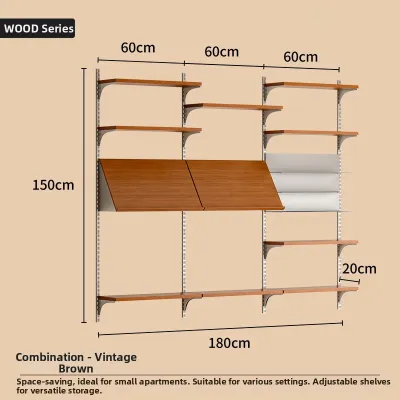
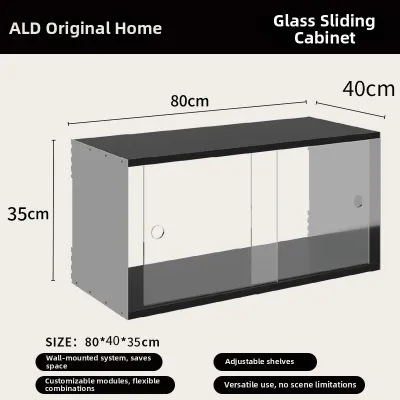
Prices are valid at publication and may change. Please refer to the product page for the latest price.
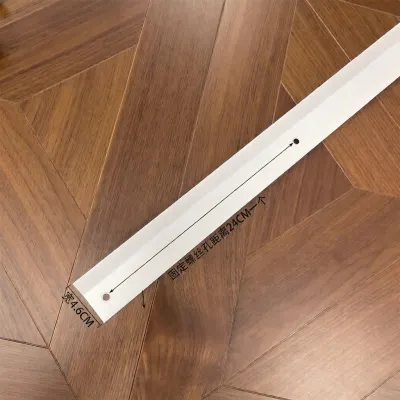
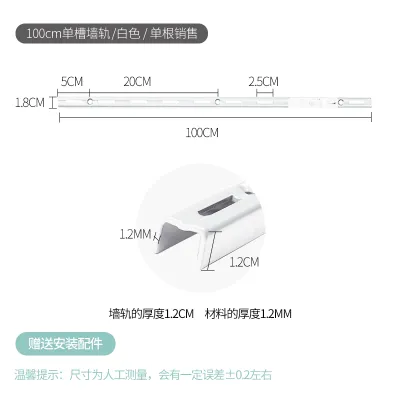
The most common mechanism is the track-and-bracket system, often called a slotted standard system. This design features vertical metal tracks mounted directly to the wall, with brackets that slip into slots at regular intervals. It is highly robust and allows you to move shelves up or down in increments of an inch or two, making it ideal for dynamic storage needs.
Another option is the pin-and-hole system, which is typically integrated into modular wooden or laminate wall cabinets. In this setup, small metal or plastic pins support the shelf from underneath, fitting into pre-drilled holes along the inner sides of the unit. While this provides a cleaner, more built-in look, it offers less overall weight capacity than heavy-duty metal tracks and limits your adjustment options to the pre-drilled intervals.
Material selection is critical for ensuring your shelves survive the local climate. Engineered woods like particle board and medium-density fiberboard (MDF) are common and budget-friendly, but they are highly susceptible to moisture absorption. In humid Philippine conditions, unsealed engineered wood can swell, lose its structural strength, and sag under moderate loads.
To prevent this, check that any engineered wood shelves feature a complete, high-quality laminate or melamine finish on all sides, including the back and edges. Look for thick PVC edge banding, which acts as a barrier against moisture intrusion. Solid wood options, such as treated pine, rubberwood, or local hardwoods, offer superior resistance to sagging, provided they are sealed with a moisture-resistant varnish or polyurethane coating. Metal shelving, particularly powder-coated steel or aluminum, is highly durable and immune to humidity-induced warping, though you should inspect the finish to ensure there are no exposed areas where rust could develop.
The physical dimensions of your shelves must align with the specific items you plan to store. Standard office binders, arch files, and textbooks generally require a shelf depth of at least 30 centimeters to prevent them from overhanging the edge. If you plan to store storage boxes, small printer units, or larger electronics, you will need a depth of 35 to 45 centimeters.
Width is equally important because it dictates the span between your vertical supports. A shelf that is too wide without intermediate brackets will sag over time under the weight of heavy books. For standard wooden or laminate shelves, try to keep the span between brackets under 80 centimeters to maintain structural integrity.
Matching Adjustable Shelf Designs to Your Workflow
Your daily routine and the nature of your work should dictate the style of adjustable shelving you choose. A minimalist digital worker has very different storage needs compared to a creative professional, accountant, or researcher who handles physical documents and heavy reference books daily.

For those who primarily work digitally and only need to store a few reference books, notebooks, and decorative items, floating shelves with adjustable internal brackets offer a clean, modern aesthetic. These systems hide the mounting hardware inside the shelf itself, creating a sleek look that keeps your desk area feeling open and airy.
However, because floating shelves rely on internal rods anchored to the wall, they have a lower weight capacity and are more prone to tilting if overloaded. If you choose this style, verify that the internal brackets are made of solid steel and that the shelf material is lightweight yet rigid enough to prevent drooping.
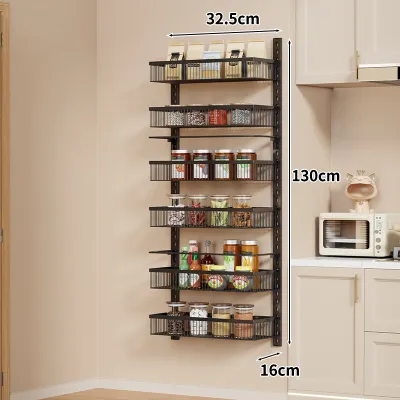
If your workflow involves managing physical archives, heavy manuals, or multiple devices, a track-based modular wall system is a far more practical choice. These systems allow you to mount multiple vertical standards across a wide wall section, creating a highly customizable grid.
You can place deep, heavy-duty shelves near the bottom for storage bins or a small printer, medium-depth shelves at eye level for active binders, and shallow shelves near the top for less frequently used items. The ease of clicking brackets in and out of the vertical tracks means you can quickly adapt the layout if you upgrade your monitor, add a second screen, or change your filing system.
For compact home offices, such as those set up in bedroom corners or small study alcoves, corner-mounted adjustable shelves are excellent for reclaiming underutilized space. These shelves anchor to two perpendicular walls, which naturally increases their stability and weight-bearing capacity.
When planning a corner installation, use a carpenter’s square to check if your walls meet at a true 90-degree angle. Many residential walls have slight imperfections or curves, which can create gaps between the shelf edge and the wall. Choosing adjustable corner systems with slightly forgiving mounting brackets or using sealant can help address these minor structural variances.
Wall Compatibility and Installation Safety Checks
The safety and success of your wall-mounted shelving project depend heavily on the type of wall you are drilling into. Mounting heavy shelves to an incompatible wall surface or using the wrong fasteners can lead to catastrophic failure, damaging your equipment and potentially causing injury.
In the Philippines, residential walls are typically constructed from concrete, concrete hollow blocks (CHB), or drywall (gypsum board mounted on light metal studs). Each material requires a specific installation approach and specialized hardware.
For concrete and hollow block walls, you must use a hammer drill equipped with a masonry drill bit to create precise holes. Standard plastic expansion anchors (often called tox plugs) are suitable for light to medium loads, but for heavy-duty adjustable track systems, metal sleeve anchors or high-quality nylon wall plugs are highly recommended. These anchors expand inside the solid concrete or hollow core, providing a secure grip that resists pulling forces.
Drywall installations require a different strategy. You should never rely solely on plastic drywall anchors to hold shelves meant for heavy books or office equipment. Instead, use a stud finder to locate the vertical metal studs behind the gypsum board and screw the vertical tracks directly into these studs using self-tapping metal screws. If a track must be positioned between studs, use heavy-duty toggle bolts or molly bolts, which expand behind the drywall sheet to distribute the weight across a larger surface area.
Calculating your total load capacity is a critical safety step that must be completed before you purchase or install any shelving system. To do this, estimate the combined weight of the shelves themselves, the brackets, and every item you plan to place on them.
A single linear meter of tightly packed books or binders can easily weigh between 20 and 30 kilograms. Add the weight of storage boxes, desk organizers, and electronic accessories, and the total load can quickly exceed standard residential limits if not properly distributed. Always compare your calculated load against the manufacturer’s specified weight limit per shelf and per vertical bracket, keeping in mind that these ratings are only valid if the system is installed correctly into a compatible wall material.
Finally, map out your installation area to avoid hidden hazards and ensure comfortable movement. Use a multi-scanner or stud finder with live-wire detection to check for electrical conduits and water pipes running behind the wall, especially if your desk is positioned near an outlet or adjacent to a bathroom.
Ensure there is adequate clearance between the lowest shelf and your desk surface so your monitor fits comfortably. There should also be enough vertical space so you do not accidentally bump your head when leaning forward or standing up from your office chair.
Building Your Shortlist: Pre-Purchase Verification Steps
Before finalizing your purchase from an online marketplace or a local furniture retailer, take the time to run through a practical verification checklist. This step ensures that the product you receive matches your physical space and structural requirements perfectly.
Start by verifying the exact product dimensions listed by the manufacturer. Do not rely solely on promotional photos, which can often make shelves appear larger or deeper than they actually are. Use a tape measure to mark the physical footprint of the shelves on your office wall using painter’s tape; this visual aid helps you confirm that the shelves will not block window light, door paths, or air conditioning vents.
Carefully read the product specifications to see what hardware is included in the package. Many imported shelving units come with standard drywall screws and light plastic anchors that are entirely unsuitable for solid concrete or hollow block walls. If the included hardware does not match your wall type, plan to purchase high-quality masonry anchors and matching screws from a local hardware store before you begin assembly.
Review the manufacturer’s warranty terms and return policies. A reputable manufacturer should provide clear guidelines on weight capacities and offer a warranty that covers structural defects in the brackets or tracks.
Additionally, browse through customer reviews on local e-commerce platforms, paying close attention to feedback from buyers who have used the product for several months. Look for mentions of paint chipping, metal brackets bending under load, or difficulties with the adjustability mechanism. This real-world feedback is invaluable for identifying potential quality issues that might not be apparent from the product description alone.
Frequently Asked Questions (FAQ)
How often should I check the stability of my wall shelves?
It is highly recommended to perform a quick visual and physical inspection of your wall shelves every six to twelve months. Look closely at the points where the vertical tracks or brackets meet the wall to ensure there are no visible gaps, cracking plaster, or loose screws. Gently wiggle the shelves to check for any play or wobbling in the brackets. If you live in an area prone to minor seismic activity or if you frequently adjust the shelf heights, increase these checks to once every three months. If you notice any sagging in the shelf boards, tilting of the brackets, or pulling away of the wall anchors, remove all items immediately and reinforce the mounting hardware before reloading the shelves.
Can I use adjustable wall shelves to hold heavy office equipment like printers?
Yes, you can use adjustable wall shelves for heavy equipment like printers, provided the total weight of the device falls well within the manufacturer’s certified load limits for both the shelf board and the brackets. However, because printers generate significant vibration during operation, they require extra precautions. Place the printer on a lower shelf to keep the center of gravity low and minimize the leverage force exerted on the wall anchors. Ensure the shelf is supported by heavy-duty metal brackets locked securely into vertical tracks, rather than a floating shelf design. To reduce noise and prevent the printer from shifting, place a non-slip rubber mat underneath the device to absorb operational vibrations.

Community discussion
Share your experience or ask a question. Comments are reviewed before publication.