
A large family gathering in the Philippines is a vibrant, bustling affair, often centering around shared meals that easily grow from a household of six to a gathering of ten or more. Finding a dining table that accommodates this shifting scale without permanently swallowing your dining room requires balancing daily spatial limits with occasional hosting needs. An extendable or detachable table offers the ideal compromise, allowing you to maximize floor space during quiet weekdays and expand the surface when relatives and guests arrive.
To make the right choice, you must look beyond aesthetics and focus on physical clearance, structural stability at full extension, and the practicality of the extension mechanism. This guide outlines the essential steps to measure your space, evaluate different extension designs, and inspect structural components so you can invest in a table that serves your family safely and comfortably for years.
Quick Selection Criteria for Large Family Dining Tables
When selecting a dining table for six to ten people, the primary challenge is balancing the physical footprint of the furniture with the flow of your home. A table that is too large permanently disrupts daily movement, while one that is too small leads to cramped meals and uncomfortable seating.
Products mentioned in this guide
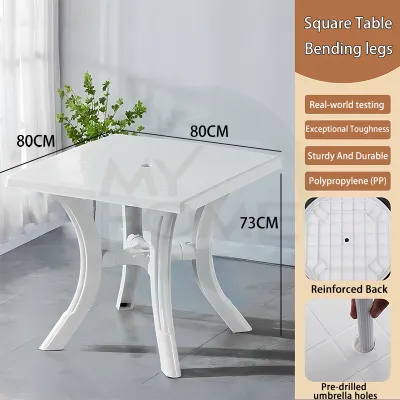
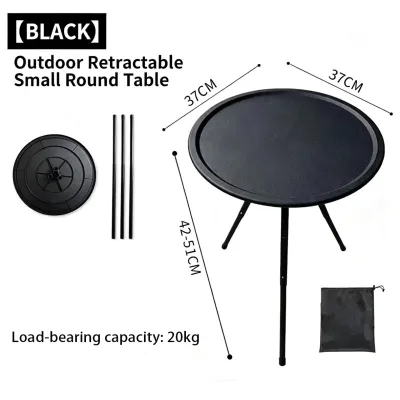
Prices are valid at publication and may change. Please refer to the product page for the latest price.
First, consider the non-negotiable clearance space. A fully extended table requires a minimum of 90 centimeters (preferably 100 to 120 centimeters) of open space on all sides. This clearance ensures that family members can pull out their chairs, sit comfortably, and walk behind others without squeezing against walls, sideboards, or doorways. In tropical homes where ventilation and open pathways are crucial for airflow, maintaining this clearance is essential for comfort.
Second, evaluate the structural stability of the table at its maximum length. When a table extends to seat ten people, the weight distribution changes significantly. Look for robust support systems, such as reinforced center legs, heavy-duty metal glides, or wide trestle bases. If the table wobbles when you apply pressure to the extended ends, it will not safely support heavy serving platters, large bowls of rice, and the active movements of a large family gathering.
Finally, distinguish between daily ten-person use and occasional hosting. If your household actually consists of eight to ten people eating together every single day, a permanent ten-seat table or a highly durable, heavy-duty extendable table is necessary. However, if you are a family of six that occasionally hosts larger gatherings on weekends or holidays, a lighter, easily adjustable detachable table with removable leaves is more practical. This allows you to keep the table compact for daily life, preserving precious floor space in your dining area.
Space Planning and Dimension Checks
Accurate spatial planning is the foundation of a successful dining room setup. Before browsing online marketplaces or visiting local showrooms, you must measure both your dining area and the access paths leading into your home.

To seat six people comfortably, a standard rectangular table should measure at least 150 to 180 centimeters in length and 90 centimeters in width. For eight seats, the length should increase to 200 to 220 centimeters. To accommodate ten people without crowding, you will need a table length of 240 to 300 centimeters. The width should remain between 90 and 100 centimeters; anything narrower makes it difficult to place serving dishes in the center, while anything wider makes it hard to reach across the table and converse.
In addition to the table dimensions, calculate the space required for chairs and movement. Each seated person needs approximately 60 to 75 centimeters of table width to eat comfortably without bumping elbows. When calculating clearance, allow 60 centimeters of depth for the chair itself when pulled out, plus an additional 30 to 60 centimeters of walking space behind the chair. If your dining room features adjacent furniture like a buffet cabinet or a console table, measure your clearance from the edge of those items rather than the wall.
Do not overlook the delivery route. A large dining table, especially a solid wood or heavy engineered model, must be transported from the delivery truck into your dining room. Measure the width and height of all doorways, hallway corners, stairwells, and elevator cabins. If you live in a condominium or a multi-story home, ensure the table frame or the individual components of a detachable table can clear low ceilings and tight turns. Many delivery failures occur not because the table does not fit the dining room, but because it cannot pass through the main entrance or up the stairs.
Comparing Extension Mechanisms for Daily Use
The mechanism that allows your table to expand determines how easy it is to use, where you store the extra pieces, and how stable the surface remains over time. There are three primary extension designs, each with distinct trade-offs.
A detachable table with a removable leaf setup relies on separate panels that you insert into the center or attach to the ends of the table. When not in use, these leaves must be stored elsewhere, such as in a closet, under a bed, or in a storage room. While this design often provides a very clean, seamless look when the table is closed, handling the heavy loose leaves can be physically demanding. You must also ensure the alignment pins and latches align perfectly during setup to prevent uneven gaps or lips on the dining surface.
In contrast, butterfly leaf mechanisms feature self-storing panels folded beneath the tabletop. To extend the table, you slide the two main halves apart, lift the folded leaf from its internal compartment, and flip it open like a book. This design allows for quick, single-person operation and eliminates the need for external storage. However, the internal hinges and folding joints introduce more moving parts, which require regular inspection and gentle handling to avoid jamming or misalignment.
Drop-leaf tables feature hinged panels on the outer ends that hang down when not in use. To extend the table, you lift the leaves and slide support brackets or legs underneath them. While highly convenient for small spaces, drop-leaf tables often have visible joints on the tabletop and may offer less legroom near the support brackets. When evaluating these mechanisms, consider how often you plan to change the table size. If you adjust it weekly, a self-storing butterfly mechanism offers the greatest convenience. If you only expand it a few times a year, a detachable table with removable leaves provides a highly stable, traditional surface.
Structural and Material Verification
An extendable dining table is a significant investment that must withstand daily wear, heavy loads, and the humid climate of the Philippines. Evaluating the structural integrity and material finishes before buying is crucial for long-term durability.
Begin by inspecting the leg placement and base support. When a table is fully extended, the center of gravity shifts. Tables with legs positioned at the very corners generally offer the best stability and maximum legroom for guests. However, if the legs slide outward with the extension, ensure the sliding tracks are made of heavy-gauge steel or robust hardwood that does not sag under pressure. Trestle or pedestal bases can also support extended tables, but they must feature a wide, heavy foot design or an adjustable center support leg to prevent tipping when someone leans on the outer edge.
The surface treatment and finish are just as important as the underlying material. In humid tropical environments, wood naturally expands and contracts, which can cause joints to loosen or veneer to peel if not properly sealed. Look for tables finished with high-quality polyurethane, water-resistant lacquers, or durable laminates that protect against moisture, hot serving dishes, and spilled liquids. Rather than relying solely on wood species names like mahogany or oak, check the manufacturer’s care instructions to verify if the surface requires regular oiling, waxing, or special coasters to prevent heat rings and water stains.
Finally, examine the hardware, sliding tracks, and locking mechanisms. High-quality extendable tables utilize smooth metal ball-bearing glides that allow the table to open with minimal effort. Avoid tables with rough, unguided wooden slides that can swell and stick during humid seasons. Ensure there are secure locking latches on the underside of the tabletop to hold the leaves tightly together, preventing accidental separation or shifting during a lively family meal.
Building Your Shortlist for Online and In-Store Shopping
Whether you are browsing online marketplaces or visiting physical furniture showrooms, having a systematic filtering process helps you avoid impulse purchases and identify high-quality options.
When shopping online, scrutinize the product specifications carefully. Look for the exact dimensions of the table in both its collapsed and fully extended states. Verify the total weight of the product; a table that is too light may lack structural stability, while an exceptionally heavy table may require professional assembly and delivery services. Read the assembly requirements to understand if you will need specialized tools or multiple people to put the table together. If the product description lacks clear clearance guidelines or weight capacities, treat this as a warning sign and contact the seller for clarification.
When visiting a physical showroom, perform a hands-on inspection. Test the extension mechanism yourself to see if it operates smoothly without sticking or requiring excessive force. Lean gently on the extended ends of the table to check for wobble, sagging, or flexing in the center joints. Inspect the underside of the table to verify the quality of the hardware, the thickness of the support rails, and the neatness of the joints. Ask the sales representative specific questions about structural warranties, return policies for manufacturing defects, and delivery constraints, especially regarding high-rise buildings or narrow access points.
Avoid listings that make vague material claims or use overly promotional language without providing concrete specifications. A reliable product listing should clearly state the materials used for the tabletop, frame, and hardware, along with clear care instructions. By systematically verifying these details, you can confidently select a detachable table or an extendable dining set that perfectly fits your home, budget, and family lifestyle.
Frequently Asked Questions (FAQ)
How do I prevent the extension leaves from warping when stored?
To prevent detachable table leaves from warping, store them in a climate-controlled environment away from direct sunlight, air conditioning vents, and high-humidity areas. Keep them flat on a level surface, or store them vertically on their edges supported by a padded rack to prevent bowing. Avoid placing heavy objects on top of stored leaves, and ensure they are wrapped in a soft, breathable cloth or storage bag to protect the finish from scratches and dust.
Can I use a rug under an extendable dining table?
Yes, you can use a rug under an extendable dining table, but you must choose the correct size and pile height. The rug should be large enough to accommodate the table in its fully extended state, with an additional 60 to 75 centimeters of rug extending beyond the table edges so that chairs remain on the rug even when pulled out. Opt for a low-pile or flat-weave rug made of durable, easy-to-clean materials, which allows the table legs or extension mechanisms to slide smoothly without snagging or causing unevenness.

Community discussion
Share your experience or ask a question. Comments are reviewed before publication.