
To comfortably host large family gatherings of 6 to 10 people in the Philippines, an extendable metal dining table offers the ideal balance of structural strength and space-saving flexibility. The best choice combines a robust steel or aluminum frame with a smooth extension mechanism and a resilient tabletop that can withstand tropical humidity and daily wear. By selecting a table that transitions easily from a compact daily footprint to a spacious hosting layout, you can maximize your dining area without sacrificing valuable floor space.
When shopping for a large extendable table, prioritizing the frame’s structural integrity and the mechanism’s ease of use is essential. Because metal frames can support heavier loads over longer spans than traditional wood, they allow for thinner profiles and more legroom, which is a critical comfort factor when seating up to ten guests. This guide outlines the key dimensions, material checks, and mechanical features to evaluate before making your purchase.
Quick Answer: Key Criteria for a 6-10 Seater Metal Table
Selecting the right extendable metal table requires balancing daily space constraints with the physical demands of hosting larger groups. To ensure your table is both functional and comfortable, look for the following key specifications:
Products mentioned in this guide
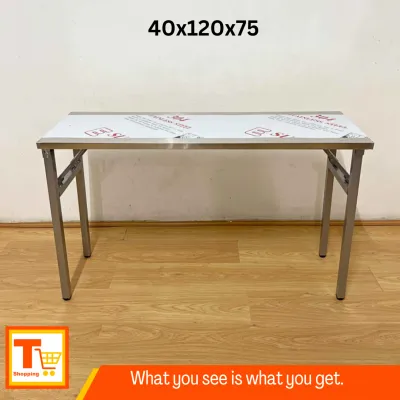
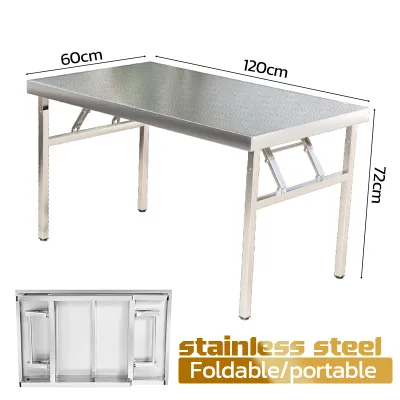
Prices are valid at publication and may change. Please refer to the product page for the latest price.
- Minimum Dimensions: Look for a collapsed length of 140 to 160 centimeters to seat 6 people comfortably for daily meals. To accommodate 10 people when extended, the table must reach a length of at least 200 to 240 centimeters, with a consistent width of 90 to 100 centimeters.
- Frame Stability: Prioritize heavy-gauge steel or aluminum frames featuring reinforced corner brackets, welded joints, and adjustable leveling feet to prevent wobbling on uneven tile or terrazzo floors.
- Extension Mechanism: Opt for integrated butterfly leaf systems or high-grade ball-bearing slide glides that allow a single person to extend the table smoothly without straining the frame.
Why an Extendable Metal Frame Suits Large Family Meals
Large families require furniture that can withstand heavy, repetitive use while adapting to changing daily needs. A metal table frame provides exceptional structural advantages over traditional solid wood, particularly when dealing with the long spans required to seat up to ten people. Metal possesses high tensile strength, which allows manufacturers to design tables with slimmer profiles and fewer bulky support beams beneath the tabletop. This design characteristic maximizes valuable legroom and knee clearance, ensuring that guests seated along the sides and corners do not feel cramped.

In the tropical climate of the Philippines, high humidity and temperature fluctuations can cause solid wood frames to warp, swell, or crack over time. Metal frames are immune to these moisture-driven dimensional changes, meaning the extension tracks and alignment pins will remain perfectly positioned year after year. This resistance to warping ensures that the table remains easy to open and close, regardless of seasonal weather changes.
For daily living, keeping a ten-seater table fully extended can make a dining room feel cramped and restrict foot traffic. An extendable metal table solves this issue by maintaining a compact footprint for immediate family meals, then expanding quickly for Sunday lunches, birthday celebrations, or holiday feasts. Additionally, high-quality metal bases are incredibly low-maintenance; they do not require periodic polishing or oiling and can be wiped clean of food spills, grease, and condensation in seconds, making them highly hygienic for busy households.
Space Planning and Dimensions for 6 to 10 Seats
Successful space planning begins with understanding the physical space required for each seated guest. To dine comfortably without bumping elbows, each person needs a minimum of 60 centimeters of table width and 30 to 40 centimeters of depth. When calculating your seating layout, remember that the table legs can restrict chair placement; choosing a design where the legs slide outward to the corners when extended will maximize the usable seating area along the sides.
For a rectangular table, seating 6 people requires a length of 150 to 180 centimeters. To expand this configuration to seat 10 people, the table must extend to a length of 220 to 260 centimeters. Oval tables offer a softer aesthetic and can make it easier to squeeze in an extra chair at the curved ends, but they still require similar overall lengths to ensure everyone has adequate elbow room. Always verify the manufacturer’s seating capacity diagram rather than relying solely on visual estimates.
Beyond the table itself, you must calculate the clearance required for movement within the dining room. Measure the distance from the edge of the extended table to the nearest wall, sideboard, or doorway. You need a minimum of 90 centimeters of clearance to allow guests to pull their chairs out and sit down comfortably. If the dining room serves as a primary walkway to the kitchen or living area, aim for 120 centimeters of clearance so people can walk behind seated guests without disruption.
Finally, consider the logistics of getting the table into your home. Metal frames are often heavy and rigid, making them difficult to maneuver through tight spaces. Carefully measure the width and height of your front door, any narrow hallway corners, stairwells, and condominium elevator doors. Check the retailer’s product specifications to see if the table is delivered fully assembled or if the legs and extension frame can be detached for easier transport and assembly inside your dining room.
Evaluating Metal Frames and Extension Mechanisms
The longevity of an extendable table depends heavily on the quality of its moving parts and the strength of its support structure. When evaluating different models, pay close attention to how the extension mechanism operates and how the frame supports the extra weight when fully extended.
Comparing Extension Mechanisms
- Butterfly Leaves: This system features a hinged leaf stored in a dedicated compartment beneath the tabletop. When the table is pulled open, the leaf folds out like wings to fill the gap. This is highly convenient because you do not need to find separate storage space for the extension panel, though you must check that the hinges operate smoothly without catching.
- Drop-Leaf Systems: These tables have hinged sections on the ends or sides that hang down when not in use and lift up to be supported by pull-out metal brackets. While simple and quick to operate, drop-leaves are generally better suited for smaller extensions and may offer less weight capacity at the far ends.
- Separate Insert Leaves: This classic design requires you to pull the table ends apart and manually place one or two separate panels onto the exposed metal tracks. While these panels must be stored elsewhere in your home, this system often provides a highly stable, continuous surface with fewer moving parts to maintain.
Structural Support and Stability
Inspect the underside of the table to evaluate the frame’s construction. Look for robust cross-bracing and heavy-duty steel plates at the primary joint connections. For tables that extend beyond 200 centimeters, a center support leg or a reinforced double-beam steel track is highly recommended. This extra support prevents the middle of the table from sagging under the weight of heavy serving platters, hot pots, and dinnerware when the table is fully extended.
Metal Finishes and Protection
Because the dining table is exposed to spills, condensation from cold drinks, and humid air, the metal finish must be highly durable. Look for frames with a powder-coated finish. This process applies a dry thermoplastic powder that is baked under high heat to create a tough, continuous barrier. Check the manufacturer’s product labels to verify if the metal has undergone rust-inhibiting pre-treatments, which are essential for preventing corrosion in tropical environments.
Choosing the Right Tabletop Material for a Metal Base
While the metal frame provides the structural foundation, the tabletop material determines the table’s daily usability, aesthetic appeal, and maintenance requirements. The material you choose must complement the metal base and be rated to handle the weight and activity of a large household.
Tempered Glass
Tempered glass tops offer a sleek, contemporary look and help small or dimly lit dining rooms feel more spacious by reflecting light. However, glass surfaces show fingerprints, smudges, and dust very easily, requiring frequent wiping. If you choose glass, verify that it is tempered safety glass with a thickness of at least 8 to 10 millimeters. Ensure the glass is securely anchored to the metal frame using heavy-duty suction pads or integrated metal brackets to prevent sliding.
Engineered Wood (MDF or High-Pressure Laminate)
Engineered wood tops paired with metal legs offer a warm, industrial aesthetic at a more accessible price point. High-pressure laminate (HPL) surfaces are highly resistant to scratches and minor impacts. However, in humid climates, you must inspect the edge banding carefully. Any gaps, peeling, or poor sealing along the edges can allow moisture from the air or accidental spills to penetrate the inner MDF or particleboard core, causing the tabletop to swell, bubble, and degrade.
Sintered Stone and Ceramic
Sintered stone is an exceptionally durable material made from natural stone minerals subjected to extreme pressure and heat. It is virtually non-porous, highly resistant to scratches, and completely unaffected by moisture. For Filipino families who enjoy hot soups, stews, or hot pot meals, sintered stone is ideal because it can withstand direct contact with hot serving dishes without scorching. Because sintered stone is heavy, always check that the underlying metal frame is specifically rated to support this material’s weight.
Pre-Purchase Verification and Assembly Checklist
Before finalizing your purchase from a local furniture retailer or an online marketplace, complete these essential verification steps to ensure a smooth delivery and setup process:
- Verify Specifications: Double-check the retailer's listed dimensions for both the collapsed and fully extended configurations. Measure your dining room one final time to confirm that you will have at least 90 centimeters of clearance around the table when it is fully extended to its ten-seater capacity.
- Review Warranty Coverage: Read the warranty terms carefully. Ensure the warranty covers not just the structural metal frame, but specifically the moving parts of the extension mechanism, the alignment pins, and the integrity of the powder-coated finish against premature peeling or rusting.
- Plan for Assembly: Extendable metal tables are heavy and require precise alignment of the glide tracks to function correctly. If the table features a complex butterfly mechanism or a heavy sintered stone top, it is highly recommended to pay for professional assembly services. Incorrect DIY assembly can lead to misaligned tracks, stripped screw threads, or stiff operation that can damage the mechanism over time.
Frequently Asked Questions (FAQ)
How do I prevent a fully extended metal table from wobbling?
To prevent wobbling, first check if the table legs are equipped with adjustable leveling feet (often called levelers or glide pads). Turn these threaded pads clockwise or counterclockwise to compensate for any unevenness in your flooring. Next, crawl underneath the table to verify that all safety latches, locking pins, or under-table tension brackets are fully engaged; these locks secure the extended leaves tightly to the main frame. If the table continues to wobble, ensure the floor surface is flat, and avoid placing heavy serving dishes exclusively on the extended ends of the table.
What is the best way to clean and maintain a powder-coated metal frame?
To clean a powder-coated metal frame, wipe it down regularly with a soft microfiber cloth dampened with warm water and a few drops of mild, pH-neutral dish soap. Avoid using abrasive scrubbing pads, steel wool, or harsh chemical cleaners containing bleach, ammonia, or solvents, as these can scratch or chemically degrade the protective powder coating. After cleaning, dry the metal frame thoroughly with a clean, dry towel to prevent water spots and ensure that moisture does not collect in the joints or screw holes.

Community discussion
Share your experience or ask a question. Comments are reviewed before publication.