
Relocating to a new home is an exciting milestone, but packing up an entire wardrobe can quickly become one of the most stressful parts of the process. Traditional packing methods require folding, rolling, and stuffing garments into standard boxes, which inevitably leads to deep creases, tangled hangers, and hours of tedious ironing at your destination. Using a dedicated hanging storage box—often referred to as a wardrobe box—simplifies this transition by allowing you to transfer clothes directly from your closet rod to a mobile storage unit. This method keeps your garments upright, organized, and ready to hang in your new closet immediately upon arrival.
To choose the right hanging storage box for your move, you must evaluate structural strength, material durability against local climate factors like humidity, and the physical dimensions of both your clothing and your transport vehicle. This guide provides a comprehensive framework to help you select, plan, and pack these specialized storage solutions for a seamless relocation.
Key Features to Look for in Hanging Wardrobe Boxes
The core component of any hanging storage box is the hanging bar, which must support the collective weight of multiple garments without bowing. Look for heavy-duty metal bars or reinforced steel rods rather than flimsy plastic or thin cardboard alternatives. The best designs feature slotted plastic or metal brackets that distribute the weight evenly across the top edges of the box, preventing the cardboard or fabric from tearing under load.
Products mentioned in this guide
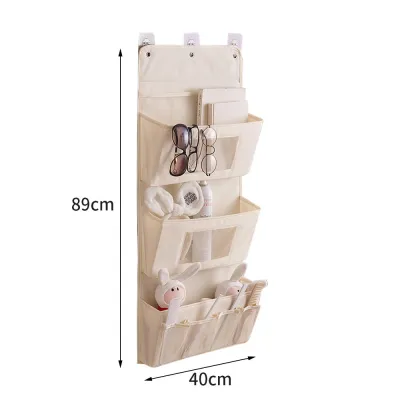
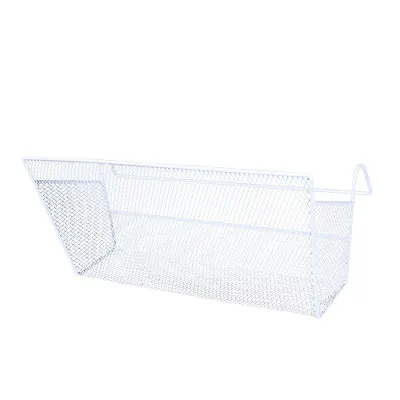
Prices are valid at publication and may change. Please refer to the product page for the latest price.
During a move, your boxes will face stacking, shifting, and environmental exposure. In tropical climates like the Philippines, sudden rain showers and high humidity can quickly soften standard cardboard, making double-walled or heavy-duty corrugated cardboard essential for structural rigidity. For fabric or plastic options, prioritize tear-resistant materials like high-density Oxford cloth or thick polypropylene to provide an effective barrier against dust, pests, and moisture.
Hanging storage boxes come in various heights and widths. Standard boxes typically range from 30 to 40 inches in height, which is ideal for shirts, jackets, and folded trousers, while long dresses or formal wear require oversized boxes of 48 inches or more to prevent hems from bunching. Measure the longest items in your wardrobe to determine the minimum height required, and keep in mind that wider boxes hold more clothes but become significantly heavier and more difficult to carry.
Efficiency is key when preparing for a move, so look for hanging storage boxes that offer straightforward, tool-free assembly. Many modern cardboard wardrobe boxes feature pre-creased fold lines and self-locking bottoms that require minimal packing tape to secure. For reusable fabric or plastic storage boxes, check if they can be collapsed completely flat when not in use, allowing you to store them easily in a closet or under a bed after your relocation is complete.
Types of Hanging Storage Solutions for Your Move
Heavy-duty cardboard wardrobe boxes with metal bars are the traditional workhorses of the moving industry. Constructed from thick, double-walled corrugated cardboard, they provide excellent structural protection against external impacts. The inclusion of a sturdy metal bar allows you to hang heavy items such as winter coats, suits, and denim without risk of bending. These boxes are highly rigid, making them ideal for stacking inside a moving truck or container, though they are bulky and can degrade quickly if exposed to moisture or high humidity during transit.

Fabric or non-woven hanging closet organizers typically feature multiple shelves or compartments and hang directly from a closet rod or a temporary rack. While not designed for heavy-duty transit on their own, they are excellent for organizing lightweight accessories, folded t-shirts, shoes, and hats. During a move, you can collapse these organizers with the items still inside or place the entire unit into a larger plastic bin. They are highly reusable and lightweight, making them a versatile addition to your packing arsenal, though they lack the rigid exterior protection needed for delicate hanging garments.
For high-value, delicate, or easily soiled garments like formal dresses, barongs, and tailored suits, individual garment bags offer the best protection. Made from breathable canvas or water-resistant plastic, these bags shield clothes from dust, dirt, and moisture. Many feature a top opening for hanger hooks, allowing you to group several bagged items together on a single rod. While they do not offer structural crush resistance on their own, they can be hung inside a larger cardboard wardrobe box or laid flat on top of other secure items in your vehicle, providing an extra layer of defense.
Choosing between these options requires balancing rigidity, weight, and reusability. Cardboard wardrobe boxes offer the highest level of protection and structural integrity but are heavy, difficult to store post-move, and vulnerable to water damage. Fabric organizers and garment bags are highly reusable, lightweight, and easy to store, but they offer minimal protection against crushing or impact. For a successful move, a hybrid approach is often best: use heavy-duty cardboard boxes for your main wardrobe and delicate suits, and utilize garment bags and fabric organizers for accessories and lighter clothing layers.
How to Measure and Plan Your Packing Strategy
Before purchasing any hanging storage boxes, you must determine exactly how much hanging space you need. Use a standard measuring tape to measure the total length of the closet rods currently holding the clothes you plan to move. As a general rule of thumb, one foot of tightly packed closet space will expand slightly when transferred to moving boxes to prevent crushing. If you have three feet of hanging clothes, you will likely need two or three standard-sized wardrobe boxes. Planning this in advance prevents you from over-purchasing or running out of boxes mid-pack.
Standard hangers and garments require a certain amount of depth to hang naturally without bending at the shoulders. Most wardrobe boxes are designed with a depth of 18 to 21 inches, which accommodates standard adult hangers. However, if you have bulky jackets or wide-shouldered suits, verify that the box depth is sufficient. If the box is too narrow, your clothes will press against the front and back walls, leading to deep wrinkles and potential damage to the fabric or zippers during transit.
A common mistake during a lipat bahay move is purchasing tall wardrobe boxes that do not fit upright inside the transport vehicle. Measure the interior height of your moving van, truck, or personal vehicle before buying extra-tall boxes. Additionally, consider the physical path the boxes must travel. Measure the doorways, hallways, stairwells, and elevator clearances at both your current residence and your new home. If a box is too tall to clear a low ceiling or fit into an elevator, you may be forced to carry it at an angle, defeating the purpose of keeping the clothes hanging upright.
To maximize space and maintain the structural integrity of your boxes, group your garments by length and weight before packing. Place heavier items, such as denim, jackets, and coats, in separate boxes from lightweight shirts and silk dresses. This prevents the hanging bar from bowing under an uneven load. Furthermore, grouping by length allows you to utilize the empty space at the bottom of the box more efficiently. If a box only contains short shirts, you will have a significant amount of clearance at the bottom to pack lightweight, non-fragile items.
Building Your Shortlist: What to Check Before Checkout
When browsing online marketplaces or local packaging suppliers, do not rely solely on product photos. Carefully read the detailed specifications list for the exact exterior and interior dimensions. Pay close attention to the hanging bar specifications; ensure it is explicitly listed as metal or reinforced steel if you plan to pack heavy garments. Confirm that the bar is included with the box purchase, as some retailers sell the cardboard boxes and the hanging bars separately, which can lead to frustrating delays on packing day.
Relocating is a time-sensitive process, making customer service and return policies highly important. Verify the seller’s policy regarding damaged goods, missing parts, or incorrect shipments. If a wardrobe box arrives with a bent metal bar or torn cardboard, you need to know that the seller can quickly dispatch a replacement without a lengthy dispute process. Look for sellers that offer clear guarantees on product completeness and have a reliable track record of resolving customer issues promptly.
Customer reviews are an invaluable source of real-world performance data. Search the reviews specifically for keywords like “bar,” “collapse,” “bend,” “handles,” and “weight.” Pay attention to feedback from users who moved long distances or packed heavy winter wear. If multiple reviews mention that the hanging bar bent under a moderate load or that the hand-cut carrying holes tore open when lifting the box, it is a strong indicator that the product may not survive your move. Look for products with consistent praise for structural rigidity and handle durability.
Timing is everything when planning a move. Ensure the estimated delivery window aligns perfectly with your packing schedule, leaving a buffer of at least three to five days before your moving date. In the Philippines, local shipping times can vary significantly due to weather conditions, customs delays, or regional logistics challenges. If a seller cannot guarantee delivery well in advance of your move, it is safer to source your boxes from a local physical supplier or a highly rated local e-commerce merchant with expedited shipping options.
How to Pack Clothes and Accessories Safely
Before placing any garments into your hanging storage boxes, take the time to prepare them properly. Remove any empty hangers from the closet rod to save space and prevent them from clanging against your clothes. Close all zippers, button up shirts at least halfway, and secure any snaps or belts. This keeps the garments structurally stable on their hangers and prevents them from tangling or sliding off during transit. Group your clothes by category so that unpacking at your new home is organized and straightforward.
Once your wardrobe box is assembled, securely install the hanging bar into its designated slots. When transferring hangers from your closet to the box bar, face the hanger hooks in the same direction. To prevent the hangers from sliding back and forth or jumping off the bar when the vehicle hits bumps on the road, secure them in place. You can use heavy-duty tape, zip ties, or specialized hanger locks over the top of the hooks to keep them firmly anchored to the bar. Ensure that long garments do not pool or drag on the bottom of the box, as this can cause wrinkling and dirt accumulation.
The empty space at the bottom of a wardrobe box is highly valuable, but it must be used wisely. Avoid placing heavy items like books or large appliances here, as they can cause the bottom of the box to burst when lifted. Instead, use this space for lightweight, bulky items such as pillows, comforters, folded blankets, or soft shoes wrapped in protective paper. Packing these items at the bottom helps stabilize the box by lowering its center of gravity, preventing it from tipping over inside the moving truck.
Once the box is fully packed, close the top flaps securely. Use high-quality, wide packing tape to seal all seams, applying multiple layers across the center seam and the edges to keep out dust, moisture, and pests. Clearly label the exterior of the box on at least two sides using a bold permanent marker. Write the destination room (e.g., “Master Bedroom Closet”), a brief summary of the contents (e.g., “Winter Coats & Suits”), and prominent “This Side Up” arrows to ensure the moving crew handles and transports the box in its correct vertical orientation.
Frequently Asked Questions (FAQ)
Can I reuse cardboard wardrobe boxes for long-term storage?
While cardboard wardrobe boxes are highly durable during a short-term move, they are generally not recommended for long-term storage in tropical climates like the Philippines. Cardboard is highly porous and naturally absorbs moisture from the air, which can lead to mold, mildew, and musty odors on your clothes over time. Additionally, cardboard can attract pests such as termites, silverfish, and cockroaches. For long-term storage, it is much safer to transfer your garments to sealed plastic storage bins or heavy-duty canvas hanging bags with built-in pest protection.
How do I prevent clothes from slipping off the hangers during transit?
To prevent garments from slipping off their hangers during a bumpy ride, start by using the right type of hangers. Velvet, rubber-coated, or wooden hangers with non-slip notches provide far more grip than smooth plastic or wire hangers. For extra security, you can wrap rubber bands around the ends of the hangers to act as stoppers, or use specialized hanger clips to secure delicate straps. Grouping clothes tightly—but not crammed—inside the box also helps, as the natural friction between adjacent garments keeps them upright and stable on their hangers.

Community discussion
Share your experience or ask a question. Comments are reviewed before publication.