
Finding the right shelving for a home study room in the Philippines requires balancing storage capacity, room layout, and the challenges of a tropical climate. The ideal shelving system keeps your books, documents, and office supplies organized while resisting the structural stresses of high humidity and heavy loads. To make an informed decision, you must evaluate your available floor and wall space, identify your specific storage needs, and select materials that can withstand local environmental conditions. By focusing on structural integrity, weight capacity, and proper installation, you can create a productive, safe, and highly functional workspace.
Assessing Space and Storage Needs for Your Study Room
Before browsing online marketplaces or visiting local furniture showrooms, you must accurately measure your physical space. Use a reliable tape measure to record the width, depth, and height of the specific area where you plan to place the shelves. Do not rely on visual estimates, as even a few centimeters of discrepancy can prevent a pre-assembled unit from fitting into its designated spot.
In addition to the final resting place of the furniture, you must verify the clearance of all entry points. Measure the width and height of your front door, hallways, stairwells, and any interior doors the shelving unit must pass through during delivery. If you live in a high-rise condominium or apartment complex, check the dimensions of the service elevator to ensure the packaged or pre-assembled furniture can be transported safely to your floor.
Products mentioned in this guide
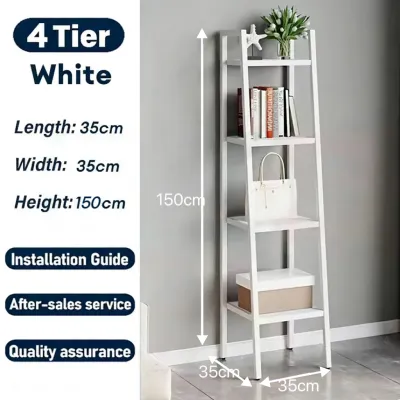
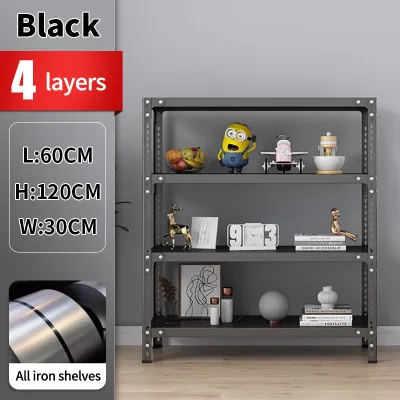
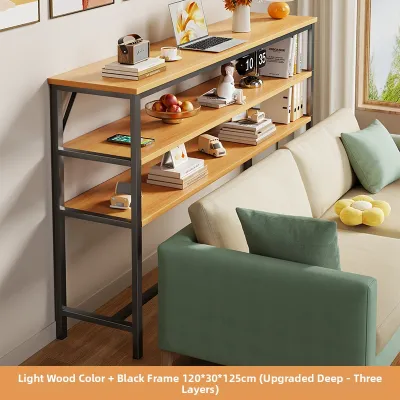
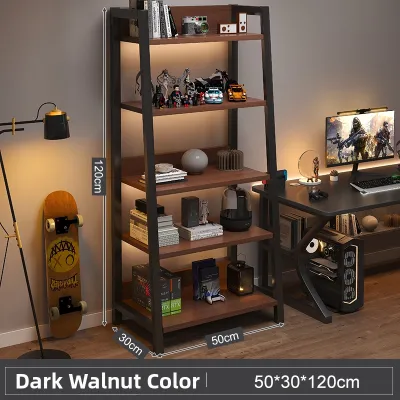
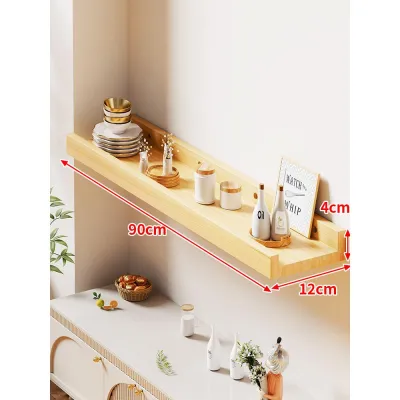
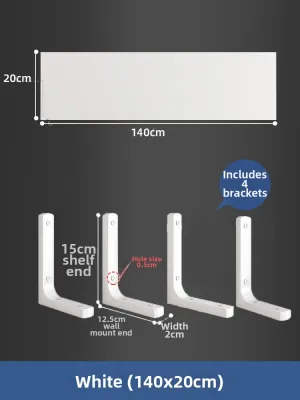
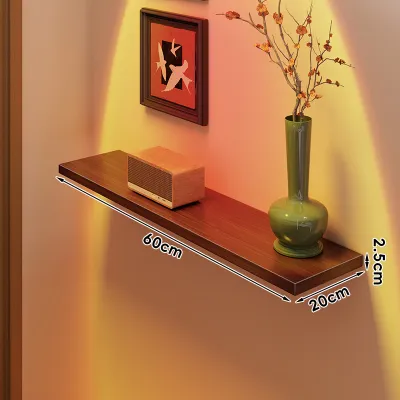
Prices are valid at publication and may change. Please refer to the product page for the latest price.
Once you have established the physical boundaries of your room, categorize the items you plan to store. Group your belongings by weight, physical size, and how frequently you need to access them. For example, heavy reference books, thick binders, and printer paper should be grouped together as high-weight items, while lightweight daily documents, stationery, and decorative objects form a separate category.
This categorization helps you plan your ergonomic reach zones. Items you use daily should reside between waist and shoulder height, allowing you to grab them without bending down or stretching excessively. Heavy or rarely used items are best suited for lower shelves to maintain a low center of gravity, while lightweight decorative pieces can occupy the highest shelves.
Finally, always plan for future expansion. A home study collection rarely stays the same size over time, so choosing a shelving system that offers twenty to thirty percent more capacity than your current inventory is a practical way to avoid running out of space within a few months.
Comparing Shelf Types and Configurations for Home Studies
Selecting the right shelf configuration is a matter of matching your room’s layout with your daily workflow. Different structural styles offer distinct advantages depending on your floor space, wall construction, and the total weight of your items. Understanding these categories allows you to choose a system that maximizes utility without overcrowding your study.

Freestanding Bookcases and Modular Units
Freestanding bookcases are the traditional choice for high-capacity storage because they rest directly on the floor, distributing weight evenly across a solid foundation. These units are highly recommended if you have a large collection of heavy textbooks, legal binders, or academic journals that would put too much stress on wall anchors.
When planning for a freestanding unit, compare its footprint against your measured floor space. Ensure there is adequate clearance for nearby doors, desk drawers, and office chairs to move freely without bumping into the bookcase. A deep bookcase can make a narrow study feel cramped, so verify that the unit’s depth aligns with your room’s traffic paths.
Modular systems offer excellent long-term flexibility for evolving study spaces. These systems consist of individual shelving units or cubbies that you can stack, align horizontally, or expand with add-on sections as your storage needs grow. If you anticipate moving to a new home or rearranging your office layout in the future, modular furniture allows you to adapt the configuration without purchasing entirely new pieces.
Wall-Mounted and Floating Shelves
Wall-mounted and floating shelves are excellent solutions for compact study rooms where floor space is at a premium. By utilizing vertical wall space, these shelves keep your floor clear for desks, chairs, or walking paths, creating a more open and airy atmosphere in smaller rooms.
Before purchasing wall-mounted shelving, you must identify the construction of your walls. In the Philippines, interior walls are commonly made of solid concrete, concrete hollow blocks, or drywall over metal studs. Solid concrete walls offer excellent support for heavy-duty wall anchors, whereas drywall requires locating studs or using specialized hollow-wall anchors to prevent the shelf from pulling out of the wall.
Keep in mind that wall-mounted and floating shelves have strict limitations on load capacity and span length. Floating shelves, which use hidden internal brackets, are generally best suited for lightweight items, small books, and decorative pieces. To prevent structural sagging or bracket failure, always check the manufacturer’s maximum weight limit and avoid overloading the center of the shelf.
Ladder and Leaning Shelves
Ladder and leaning shelves offer a contemporary, casual aesthetic that works well in modern home studies. These units feature an angled frame that leans against the wall, creating a tiered storage system where the bottom shelves are deeper and the top shelves are shallower.
This tiered design is highly practical for mixed storage. You can place wider, heavier items like storage boxes or printer paper on the deep bottom shelves, while reserving the narrower top shelves for small books, framed photos, or lightweight office supplies. This naturally keeps the center of gravity low, which improves the overall stability of the unit.
Despite their leaning appearance, these shelves must be secured to the wall to prevent accidental tipping. Most manufacturers include safety brackets or straps with the unit; you should never skip installing these safety features, especially if you have pets or young children in the home. Additionally, evaluate the trade-off in usable shelf depth, as the angled uprights mean you have less vertical clearance and depth on the upper tiers compared to a standard rectangular bookcase.
Evaluating Materials, Joints, and Build Quality
The longevity of your study room shelves depends heavily on the materials used and how the pieces are joined together. In a tropical climate like the Philippines, high relative humidity can cause low-quality wood products to warp, swell, or degrade over time. Therefore, inspecting product specifications and build quality is essential before making a purchase.
When reviewing product labels, look for moisture-resistant finishes and protective coatings. If you are considering engineered wood products like particleboard or medium-density fiberboard (MDF), verify that all edges are sealed with high-quality edge banding. Unsealed edges allow ambient moisture to penetrate the core material, leading to swelling and structural weakening. Solid wood or metal frames generally offer better resistance to humidity, provided they are treated with appropriate sealants or rust-resistant powder coatings.
Examine the joint construction and hardware specifications provided by the manufacturer. High-quality shelving units often utilize robust joint types such as mortise and tenon, dowels, or heavy-duty cam locks to ensure structural rigidity. Avoid units that rely solely on thin nails or low-grade glue, as these joints can loosen under the weight of books and the natural expansion and contraction caused by temperature fluctuations.
Finally, verify that the surface treatments are easy to clean and scratch-resistant. A study room shelf will experience daily wear and tear from sliding books, storage bins, and office equipment. Matte or textured laminates, melamine coatings, and polyurethane varnishes are generally easy to maintain with standard household dusting methods and resist minor scratches from daily use.
Verifying Weight Capacity and Installation Safety
Ensuring the safety of your home study setup requires strict adherence to weight limits and proper installation techniques. Overloaded shelves pose a significant safety hazard, potentially leading to structural failure, damaged belongings, or serious personal injury.
Always check the manufacturer’s stated weight capacity for both individual shelves and the total unit before organizing your items. This information is typically found in the product manual or specification sheet. When loading your shelves, distribute the weight evenly across the entire surface rather than concentrating heavy items in the middle, which can cause the shelf to bow and eventually break.
Wall-anchoring is mandatory for all tall, narrow, or top-heavy freestanding bookcases. Even if a bookcase feels stable on your floor, pulling a heavy book from a top shelf or accidentally bumping into the unit can cause it to tip forward. Use the anti-tip hardware provided by the manufacturer, ensuring that the anchors are securely fastened into a wall stud or solid concrete wall rather than just the plaster or drywall surface.
Know when to stop a do-it-yourself installation and consult a qualified professional. If your walls are made of an unfamiliar material, if you are unsure how to locate wall studs, or if you plan to mount exceptionally heavy loads on drywall, hiring a local handyman or carpenter is a wise investment. Professional installers have the specialized tools and experience to ensure your shelves are level, secure, and safe for long-term use.
Frequently Asked Questions (FAQ)
How do I prevent wooden shelves from sagging under heavy books?
To prevent wooden shelves from sagging, you must check the shelf thickness, unsupported span length, and material density in the product specifications before purchasing. A thin shelf with a long, unsupported span is highly susceptible to bending under weight. To mitigate this, choose shelves made of high-density materials or those with a shorter span between vertical supports. If you already own a wide shelf, you can install aftermarket center support brackets or support bars underneath. Additionally, practice proper weight distribution by placing your heaviest books and binders near the vertical side supports where the shelf is strongest, rather than in the center.
What is the best way to clean and maintain shelves in a humid environment?
Maintaining shelves in a humid environment requires minimizing their exposure to excess moisture while keeping them free of dust. Use a dry or slightly damp microfiber cloth for routine dusting, and avoid using harsh chemical cleaners or pouring water directly onto the surfaces. Ensure your study room has adequate ventilation and air circulation, which can be achieved by using ceiling fans, open windows, or dehumidifiers to manage ambient moisture levels. Regularly inspect your shelves for any signs of finish degradation, bubbling, or swelling. If you notice these issues, consult the manufacturer’s care guide for specific advice on refinishing or applying protective sealants.

Community discussion
Share your experience or ask a question. Comments are reviewed before publication.