
To successfully move house in the Philippines, the best storage box organizers are those that offer high structural rigidity, secure closure mechanisms, and reliable moisture resistance to withstand the local tropical climate. Because a typical house move involves navigating humid conditions, sudden rain showers, and bumpy transit routes, relying on flimsy containers can lead to damaged belongings. Choosing the right mix of heavy-duty cardboard, rigid plastic bins, and flexible fabric organizers ensures your items remain secure from packing day to unpacking at your new home.
Key Criteria for Selecting Moving Storage Boxes
When preparing for a move, evaluating the load capacity of your storage box organizers is paramount. Boxes must support not only the weight of their internal contents but also the downward pressure of other containers stacked on top of them inside the moving vehicle. Choosing boxes with reinforced bases and thick walls prevents bowing and structural failure during transit.
Maximizing the vertical space in a moving truck requires boxes that stack securely without sliding. Look for organizers designed with interlocking lids, recessed top surfaces, and reinforced corners that distribute weight evenly. These features prevent stacks from shifting laterally when the transport vehicle encounters uneven roads or sudden stops.
Products mentioned in this guide
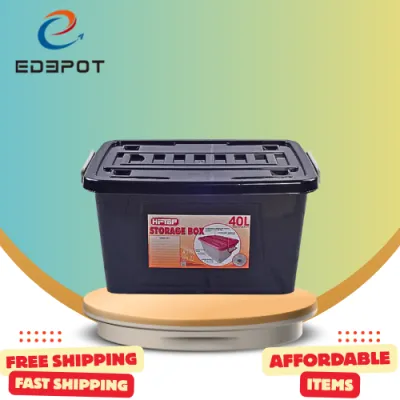
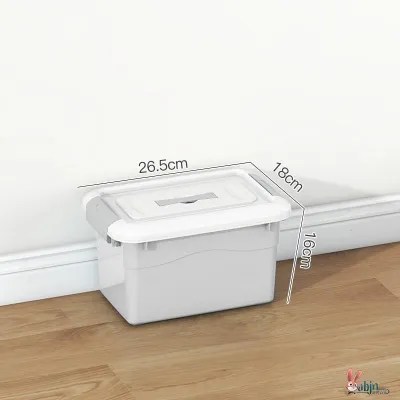
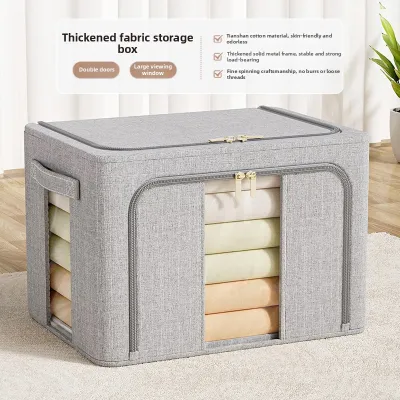
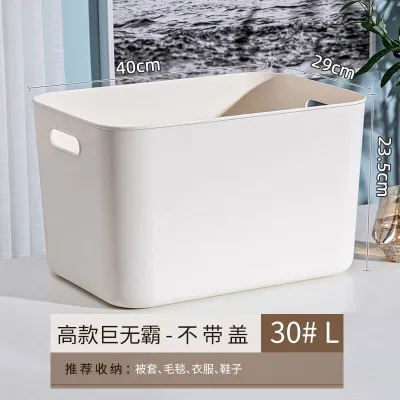
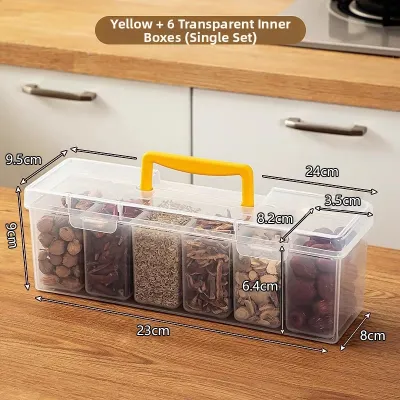
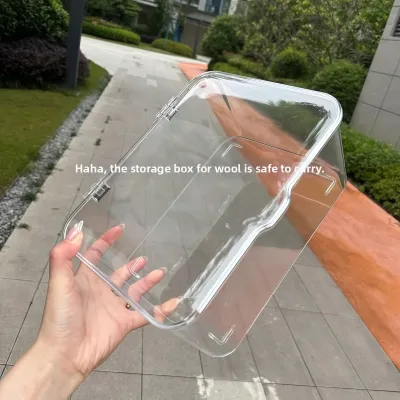
Prices are valid at publication and may change. Please refer to the product page for the latest price.
Transporting heavy boxes through narrow hallways, down staircases, or across outdoor pathways requires secure, comfortable grips. Opt for plastic bins with molded-in, ergonomic handles or cardboard boxes with double-walled hand cutouts. Avoid boxes with sharp, thin edges that can cut into your hands or tear under heavy loads.
The tropical climate of the Philippines introduces unique challenges, such as high relative humidity and sudden rain showers during loading or unloading. Storage boxes must protect sensitive items from dampness, which can cause mold, mildew, or structural weakening of the box itself. Checking the seal quality of lids and the moisture-repellent properties of materials is essential for protecting electronics, documents, and fabrics.
Before purchasing any organizers, measure your doorways, hallways, stairwells, and the cargo dimensions of your moving vehicle. Choosing boxes that are too large can make maneuvering through tight spaces difficult and may lead to inefficient packing configurations in the truck. Standardized, modular sizes allow for tighter, more stable stacking patterns.
Comparing Storage Box Materials for House Moves
Selecting the right material for your moving boxes is a balancing act between protection, weight, and long-term utility. The three primary categories of storage box organizers used for residential moves are rigid plastic bins, collapsible fabric organizers, and traditional heavy-duty cardboard boxes.

Each material offers distinct advantages depending on the fragility of the items, the transit conditions, and whether you plan to reuse the containers for permanent home storage. Understanding how these materials behave under stress and exposure to moisture will help you allocate your packing budget effectively.
Plastic Storage Bins with Lids
Rigid plastic storage bins are highly suited for protecting fragile, heavy, or moisture-sensitive belongings such as electronics, kitchenware, and important documents. The solid plastic walls shield contents from external impacts, while the tight-fitting lids keep out dust, pests, and water.
When selecting plastic bins, inspect the thickness of the walls and look for reinforced ribbing along the base and corners, which indicates higher structural integrity. Secure latching mechanisms, such as snap-lock handles, are preferable to simple slip-on lids, as they prevent the container from bursting open if dropped.
While plastic bins offer superior protection, they also have practical trade-offs, including a heavier empty weight that adds to the overall lifting effort. Additionally, because they do not fold down, they require significant storage space in your new home once the move is complete, making them best suited for items you plan to keep in long-term storage.
Fabric and Canvas Storage Boxes
Collapsible fabric and canvas storage boxes are ideal for transporting lightweight, non-fragile household goods such as clothing, bedding, towels, and plush toys. Their flexible walls allow them to conform slightly to tight spaces, making them useful for filling awkward gaps in the moving vehicle.
When evaluating fabric organizers, prioritize models with reinforced webbed handles that are stitched securely along the sides of the box to prevent tearing. Sturdy zippers and removable rigid base inserts are also essential features that help the box maintain its shape during handling.
However, fabric boxes offer virtually no crush resistance and cannot support heavy loads stacked on top of them. To prevent damage, these organizers should be placed at the very top of your packing stacks or transported separately in passenger vehicles.
Heavy-Duty Cardboard Moving Boxes
Traditional heavy-duty cardboard boxes remain the standard choice for general moving needs due to their affordability, lightweight design, and ease of recycling. They are highly suitable for packing books, pantry items, and general household goods.
To ensure transit safety, avoid standard single-wall shipping boxes and instead opt for double-wall or triple-wall heavy-duty cardboard. Verify the manufacturer’s label on the bottom of the box to check the edge crush test rating, which indicates the box’s ability to withstand vertical stacking pressure.
Cardboard boxes require proper sealing techniques, such as applying high-quality packing tape in an “H” pattern across both the top and bottom seams. Because cardboard is highly susceptible to moisture damage, keep these boxes off damp ground and cover them with tarpaulins if loading during rainy weather.
Strategies for Packing and Labeling Your Storage Boxes
Effective packing begins with proper weight distribution within each storage box organizer. Always place the heaviest items, such as books or small appliances, at the bottom of the container to establish a low center of gravity and prevent tipping. Lighter, more delicate items should be placed on top.
To prevent items from shifting and colliding during transit, fill all empty spaces and voids inside the box. Use packing paper, bubble wrap, or soft household items like towels, blankets, and clean socks to create a snug, cushioned environment. A properly packed box should not make any noise when gently shaken.
Implementing a clear, systematic labeling system is crucial for an organized unpacking process. Use a bold, waterproof marker to write on at least two sides of each box, detailing the destination room, a brief list of contents, and clear handling instructions such as “Fragile” or “This Side Up.”
Color-coding your boxes with colored tape or stickers can further streamline the unloading process at your new home. Assign a specific color to each room (for example, blue for the kitchen and green for the master bedroom) so the moving crew can quickly place each box in its correct location without constant guidance.
Where to Source Storage Box Organizers in the Philippines
Sourcing your storage box organizers from physical home improvement and furniture stores allows you to inspect the quality of the materials firsthand. Physically checking the thickness of plastic bins, testing the security of latches, and verifying the rigidity of cardboard boxes helps ensure you buy products fit for transit. This option also provides immediate pickup, eliminating shipping delays.
For bulk orders, online marketplaces and ecommerce platforms offer convenience, competitive pricing, and direct-to-home delivery. This is particularly advantageous when purchasing flat-packed cardboard boxes in large quantities, which can be difficult to transport in a standard passenger car.
When purchasing online, carefully verify the seller’s ratings and read customer reviews to assess the reliability of the products during transit. Always double-check the listed dimensions in the product description to ensure they match your requirements, and review the platform’s return policy in case items arrive damaged or warped.
Frequently Asked Questions (FAQ)
Can I use regular home storage boxes for moving, or do I need specific moving boxes?
Standard home storage boxes, such as decorative fabric baskets or thin plastic tubs, are designed for static closet storage rather than the physical stresses of transit. Moving-specific boxes feature reinforced walls, secure latching or taping surfaces, and higher weight tolerances to withstand stacking and vibrations in a moving truck. Using non-reinforced containers increases the risk of crushing and damage to your belongings.
How many storage box organizers do I need for a typical house move?
The number of boxes required depends on the size of your household, the number of rooms, and the volume of your belongings. As a general framework, plan for approximately 10 to 15 medium-sized boxes per room, adjusting upward for kitchens and book-heavy studies. Decluttering your home before you begin packing is the most effective way to reduce the number of boxes needed and lower your overall moving costs.
Should I buy or rent plastic storage bins for moving?
Buying plastic storage bins is a practical investment if you plan to reuse them for long-term home organization in your new closets, garage, or attic. However, if you have limited storage space after unpacking, renting reusable plastic moving bins from local relocation services can be a cost-effective and eco-friendly alternative. Rental services typically deliver the bins to your current home and collect them from your new address after a specified period, eliminating post-move clutter.

Community discussion
Share your experience or ask a question. Comments are reviewed before publication.