
Quick Guide to Study Room Storage Racks
Finding the right storage rack for your home study room in the Philippines requires balancing your specific storage inventory with the physical limits of your room. Heavy academic textbooks, professional manuals, and extensive document archives demand the structural integrity of freestanding tiered racks or heavy-duty bookcases. These floor-standing units distribute substantial weight safely across a solid base, preventing structural failure.
Conversely, if your study room is filled with a mix of small office supplies, electronic accessories, and reference materials, modular cube systems offer a highly customizable alternative. These grids allow you to integrate fabric or plastic bins to hide visual clutter while keeping daily essentials within arm’s reach.
For compact study spaces where floor area is at a premium, wall-mounted shelves and floating units utilize underused vertical space. They are excellent for displaying lightweight items, decorative plants, or frequently accessed reference guides, keeping your desk surface completely clear for active work.
Products mentioned in this guide

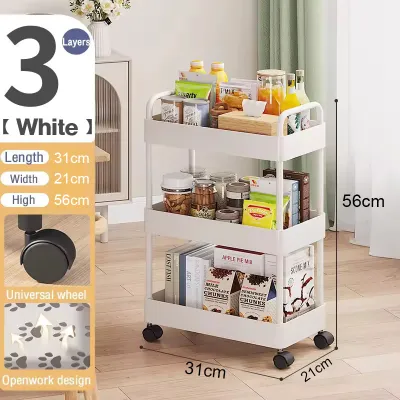
Prices are valid at publication and may change. Please refer to the product page for the latest price.
Assessing Your Study Room Storage Needs
Before purchasing any storage furniture, you must conduct a thorough inventory of the items you plan to store. Group your belongings by weight, size, and how often you need to access them. Heavy items, such as multi-volume encyclopedias, printer paper reams, and backup hardware, should be categorized separately from lightweight items like stationery, notebooks, and decorative pieces. This categorization prevents you from overloading delicate shelves and helps you determine the total weight capacity your new rack must support.

Next, measure your physical space with precision. Do not rely on visual estimates; use a tape measure to record the available floor width, depth, and vertical wall clearance. It is equally important to measure the pathways leading into your study room, including doorways, narrow hallways, and stairwells. A large, fully assembled freestanding rack is useless if it cannot clear the entryways or turn tight corners during delivery.
Finally, consider your daily workflow and ergonomic reach zones. Items you use constantly throughout the workday, such as reference manuals or active project files, should reside within your primary reach zone—typically between waist and shoulder height. Archival documents, seasonal tax files, or historical reference books can be placed on higher or lower shelves, as you will only need to access them occasionally. Designing your storage layout around these physical habits reduces daily strain and keeps your workspace highly efficient.
Comparing Storage Rack Types for Study Rooms
Selecting the ideal rack configuration involves comparing how different structural designs utilize your room’s footprint. The right choice balances vertical storage capacity, ease of access, and the overall visual flow of your home office.
Wall-Mounted and Floating Shelves
Wall-mounted shelves and floating units are the ultimate space-saving solutions for compact study rooms. By lifting your storage off the floor, these shelves preserve valuable square footage for your desk, office chair, and walking paths. They are particularly suited for holding lightweight reference books, small speakers, and personal decorative items that personalize your workspace without cluttering your desk.
Installing these units requires careful attention to the structural composition of your walls. In many Philippine homes, walls are constructed from concrete, hollow blocks, or plasterboard over metal studs. You must identify the wall type and use the correct mounting hardware, such as heavy-duty masonry plugs or toggle bolts, to ensure a secure hold. Never attempt to mount floating shelves directly into drywall or plaster without securing them to structural studs or using specialized anchors.
Keep in mind that wall-mounted systems have strict load-bearing limits. They are not designed to support massive textbook collections, heavy printers, or dense stacks of paper. Overloading these shelves can cause the brackets to pull away from the wall, leading to catastrophic damage to both your walls and your valuable equipment.
Freestanding Bookcases and Tiered Racks
When your storage needs involve heavy, high-volume items, freestanding bookcases and tiered racks are the most reliable option. These units stand directly on the floor, allowing them to support substantial weight without putting stress on your walls. They are the traditional choice for housing extensive book collections, heavy binders, and office machinery like printers or scanners.
Because freestanding racks occupy a permanent footprint on your floor, they require deliberate spatial planning. You must ensure that the depth of the unit does not obstruct walkways or prevent your office chair from rolling freely. Additionally, check that the height of the rack does not block natural light from windows or interfere with wall-mounted air conditioning units.
Safety is a paramount concern with tall freestanding furniture. Any rack taller than waist height poses a potential tipping hazard, especially during seismic activity or if a child or pet attempts to climb the shelves. Securing these units to the wall with anti-tip anchoring hardware is a mandatory safety step that should never be overlooked during installation.
Modular and Cube Storage Systems
Modular and cube storage systems offer unmatched flexibility for dynamic study rooms that house a wide variety of items. These systems consist of square or rectangular grid compartments that can be configured horizontally or vertically to fit your specific wall layout. They excel at organizing mixed media, allowing you to combine open display shelves with enclosed storage bins.
Using fabric, plastic, or woven baskets within the cubes is an excellent way to organize small office supplies, charging cables, and loose paperwork. This approach keeps your study room looking neat and organized by hiding visual clutter. It also allows you to categorize items by cube, making it easy to locate specific supplies when you need them.
However, you must pay close attention to the weight limits of individual cubes. Because modular systems are often constructed from engineered wood or lightweight plastics, individual shelves can sag or warp if loaded with heavy textbooks. Always distribute weight evenly across the entire system and reserve the lower cubes for heavier items to maintain structural stability.
Mobile Carts and Utility Racks
For shared workspaces or multi-functional study rooms, mobile carts and utility racks provide a highly adaptable storage solution. Equipped with caster wheels, these compact units can be rolled directly to your desk when you are working and tucked away into a corner or closet when your tasks are complete. They are ideal for holding active project files, art supplies, or crafting materials.
When selecting a mobile utility rack, look for models that feature high-quality, locking caster wheels. Locking the wheels is essential for maintaining stability while you work, preventing the cart from rolling away when you reach for a tool or write on a surface. The frame should be rigid enough to handle frequent movement without wobbling or loosening at the joints.
While highly convenient, mobile carts have clear limitations. They offer significantly less vertical storage capacity than tall freestanding racks or wall-mounted shelves. They also have lower overall weight limits, meaning they are not suitable for storing large volumes of heavy books or bulky office equipment.
Key Selection Criteria and Safety Checks
When shopping for a study room storage rack, you must verify several critical structural and material specifications to ensure long-term durability and safety. Start by checking the manufacturer’s rated weight capacity for both the individual shelves and the entire unit. Look for racks with thick, reinforced shelves that resist bending under load, and always distribute weight evenly rather than concentrating heavy items in the center of a single shelf.
Material selection is particularly important in the tropical climate of the Philippines, where high humidity levels can degrade furniture quickly. If you choose engineered wood, ensure it has a high-quality, moisture-resistant laminate or veneer finish to prevent swelling and warping. For metal racks, verify that the surface has been treated with a rust-resistant powder coating or chrome plating to protect against corrosion caused by humid air. Check that all joints, screws, and brackets are robust and fit together tightly without play.
Safety planning must begin before you assemble the rack. Always plan to install anti-tip anchoring hardware to secure tall units directly to the wall structure. When loading your rack, establish a strict rule of placing the heaviest items, such as storage boxes and heavy equipment, on the very lowest shelves. This practice lowers the unit’s center of gravity, significantly reducing the risk of accidental tipping and making the entire storage system much more stable.
Space Planning and Layout Integration
Integrating your storage rack into your study room layout requires careful consideration of ergonomics and room flow. Maintain a clear clearance zone around your desk and office chair. You should be able to push your chair back, stand up, and move around without bumping into the corners of your storage racks. Ensure there is at least 90 to 120 centimeters of open space in front of the rack to allow you to bend down and access lower shelves comfortably.
Position your racks to work in harmony with your room’s lighting. Avoid placing tall racks directly next to windows where they might block natural light or cast deep shadows across your desk. If you place a rack behind your seating area, ensure it does not create a distracting background or cause glare on your computer screen when light reflects off glossy book covers or plastic storage bins.
Finally, keep all primary walkways completely clear of obstructions. Ensure that room doors, closet doors, and desk drawers can open fully without striking the storage rack. By planning your layout with these clearances in mind, you create a safe, open, and highly productive environment that supports focused study and work.
Frequently Asked Questions (FAQ)
How do I prevent a freestanding rack from tipping over?
To prevent a freestanding rack from tipping, you must secure it directly to the wall using an anti-tip safety kit. These kits typically consist of brackets, straps, or cables that connect the back of the rack to the wall structure. If your study room has concrete or hollow-block walls, use heavy-duty masonry anchors and screws rather than standard drywall plugs. Additionally, always load the rack from the bottom up, placing your heaviest books and equipment on the lowest shelves to keep the center of gravity as low as possible.
Can I use a metal wire rack for heavy textbooks?
Yes, you can use a metal wire rack for textbooks, but you must first verify the manufacturer’s specific weight capacity per shelf to ensure it can handle the load. To prevent the corners and spines of your books from slipping through or getting damaged by the wire gaps, place solid shelf liners, acrylic mats, or thin wooden boards over the wire grates. This helps distribute the weight of the books evenly across the support bars. Regularly inspect the wire shelves for any signs of bowing or sagging, and redistribute the weight immediately if you notice any structural bending.

Community discussion
Share your experience or ask a question. Comments are reviewed before publication.