
Selecting the right wall-mounted shelves for a home office or study room in the Philippines requires a careful balance of storage capacity, wall structural integrity, and resistance to tropical humidity. Because a study room often houses a mix of heavy reference books, delicate electronics, and personal decor, a single shelf style rarely fits every need. Choosing the wrong material can lead to sagging under the weight of heavy volumes, while improper installation on local wall types can result in costly structural damage. By evaluating your specific storage goals, understanding your wall composition, and selecting materials suited to the local climate, you can create an organized, visually appealing workspace that stands the test of time.
Core Evaluation Criteria for Study Room Shelves
Before purchasing any wall-mounted shelving, you must assess the physical demands of your home office. The primary consideration is weight capacity. Books are exceptionally heavy; a tightly packed row of textbooks or professional manuals can easily exert significant downward force. When planning your layout, calculate the approximate weight of the items you intend to store. Standard decorative items, small potted plants, and framed photos require minimal support, whereas binders, printers, and extensive book collections demand heavy-duty shelving systems with robust load distribution.
Distributing the load evenly is as important as total capacity. Placing heavy books in the center concentrates stress at the weakest point, causing bowing. Place heavy items near brackets and lighter decor in the middle.
Products mentioned in this guide
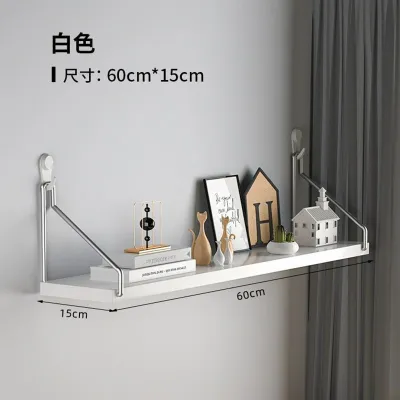
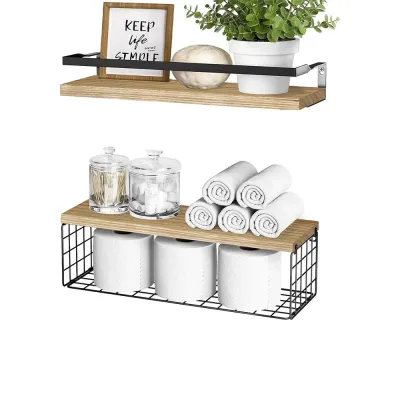
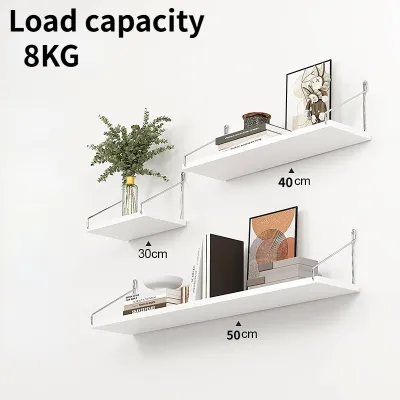
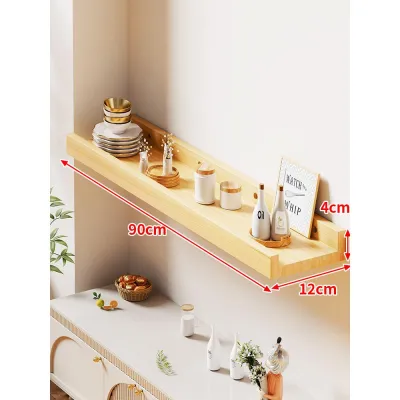
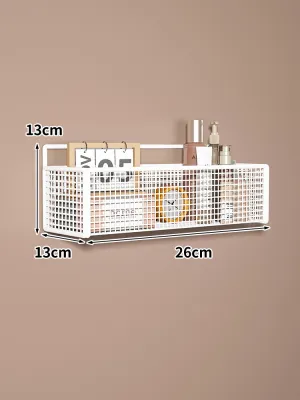
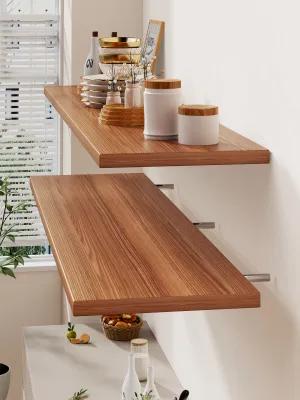
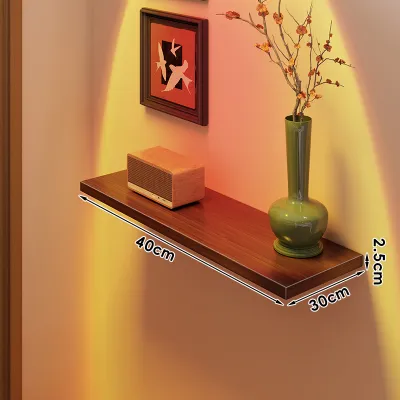
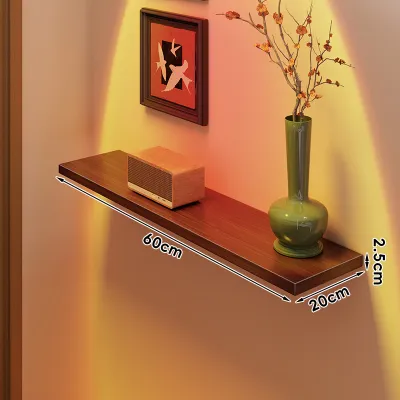
Prices are valid at publication and may change. Please refer to the product page for the latest price.
Dimensional accuracy is equally critical to ensuring both functionality and safety. The depth of the shelf must match the items you plan to store. For standard novels and small notebooks, a shelf depth of 20 centimeters is usually sufficient. However, larger reference books, binders, or storage boxes may require a depth of 30 centimeters or more. Be cautious with shelf depth: deeper shelves experience greater leverage and torque at the wall connection, which increases the risk of sagging or pulling away from the wall if not anchored correctly. Additionally, the width of the shelf should harmonize with your desk size to maintain a balanced visual profile and prevent accidental head bumps when you stand up.
Consider vertical clearance between shelves. Storing A4 binders requires at least 32 to 35 centimeters of vertical space. For standard novels, 25 centimeters is sufficient. Leaving a small buffer above your tallest items makes retrieval easier and prevents scraping.
The tropical climate of the Philippines introduces unique challenges for furniture materials. High relative humidity can cause untreated wood, low-grade particle board, and medium-density fiberboard (MDF) to absorb moisture, swell, warp, or develop mold over time. For long-term durability, prioritize shelves made from solid wood treated with protective sealants, high-quality plywood with water-resistant veneers, or powder-coated steel. If you choose engineered wood products, verify that all edges are completely sealed to prevent moisture from penetrating the core. Metal components should feature rust-resistant coatings to withstand seasonal humidity shifts.
In humid regions, metal brackets are susceptible to rust. Prioritize stainless steel or powder-coated finishes. For wooden shelves, polyurethane or lacquer finishes seal wood pores completely, preventing unfinished softwoods from absorbing moisture and warping.
Matching Shelf Styles to Your Organization Needs
The structural design of a shelf dictates how much weight it can safely support and how it influences the visual flow of your study room. Different configurations offer distinct advantages, allowing you to tailor your storage to your specific workflow and aesthetic preferences.

Floating Shelves for Minimalist Displays
Floating shelves feature internal mounting brackets that remain hidden inside the shelf body once installed, creating a clean, modern look. This style is ideal for minimalist home offices where visual clutter must be kept to a minimum. They excel at holding lightweight items, such as small desk accessories, decorative plants, or a few curated books.
However, floating shelves have inherent physical limitations. Because they rely on a single concealed bracket, they are highly susceptible to sagging if overloaded or if the shelf depth is too great. To maintain stability, keep the depth of floating shelves under 20 centimeters and avoid placing heavy reference manuals or heavy equipment on them. If you plan to use floating shelves for books, lean them flat or use lightweight bookends to distribute the weight evenly across the mounting bracket.
Ensure installation tolerance is precise. Because the mounting bracket is hidden, any misalignment is highly visible. Use a spirit level during installation. If walls are slightly uneven, sand the back edge of the shelf or use thin shims for a flush fit.
Bracket Shelves for Heavy Books and Equipment
When your home office storage demands high load capacity, bracket shelves are the most reliable option. These shelves utilize visible L-shaped or gusseted brackets mounted underneath the shelving board, transferring the weight directly down the wall. This design significantly increases the load-bearing capacity, making them suitable for dense book collections, heavy binders, and even small office machinery.
While bracket shelves offer superior strength, they do require more visual space and careful placement. The brackets themselves can limit the usable space directly underneath the shelf, which may interfere with tall desk monitors or wall-mounted task lighting. When planning the installation height, ensure there is adequate clearance for your desk chair to slide underneath and that the brackets do not pose a hazard to your knees or head during daily movement.
Pay attention to the bracket’s gusset—the diagonal support beam. Brackets with a welded gusset offer higher weight capacities than simple bent-metal designs. For heavy book collections, industrial steel brackets with gussets are safest, while decorative wooden brackets offer similar support with a softer aesthetic.
Corner and Modular Shelves for Space Optimization
For smaller study rooms or compact apartments, maximizing floor space is essential. Corner shelves utilize the often-wasted space where two walls meet, providing a stable platform for books or decorative items without encroaching on your main work area. Because corner units anchor into two perpendicular walls, they often enjoy enhanced stability compared to single-wall shelves.
Modular shelving systems, such as wall-mounted standards with adjustable brackets, offer maximum flexibility for dynamic workspaces. These systems allow you to adjust the height and spacing of individual shelves as your book collection grows or your equipment needs change. They are particularly useful for home offices that double as creative studios, where storage requirements can shift from project to project.
Modular track systems, such as twin-slot standards, are highly practical. These vertical metal tracks allow you to easily adjust shelf heights as your needs change, such as lowering a shelf for a printer or raising it for a larger monitor.
Wall Compatibility and Installation Safety Checks
A shelf is only as strong as the wall it is mounted on. In the Philippines, residential wall construction varies widely, and identifying your wall type is the most critical step before drilling any holes. Most traditional homes and ground-floor structures feature solid concrete or concrete hollow block (CHB) walls finished with plaster. Modern high-rise condominiums and interior partitions, however, frequently utilize drywall (gypsum board) or fiber cement board mounted on light metal or wooden studs.
Each wall type requires specific hardware and tools to ensure a secure installation. For concrete and hollow block walls, you must use a hammer drill equipped with a masonry drill bit. Standard plastic wall plugs (often referred to locally as tox) are suitable for light to medium loads, while heavy-duty expansion bolts are necessary for heavy book shelves. When drilling into hollow blocks, try to anchor into the solid concrete webs of the block rather than the hollow cavities to maximize grip.
When drilling into concrete hollow blocks, you may hit hollow cavities where standard plastic plugs cannot expand securely. Using specialized toggle bolts or nylon hollow-wall anchors designed for masonry provides a tighter grip. Alternatively, shift the drill location to hit solid mortar joints.
Drywall and fiber cement walls require a completely different approach. Never use standard plastic plugs in drywall, as they will easily pull out under the weight of a shelf. Instead, locate the vertical studs behind the wall using a stud finder and mount your shelf brackets directly into them using wood screws. If a bracket must be placed between studs, use specialized hollow-wall anchors, such as toggle bolts or heavy-duty metal self-drilling anchors, keeping in mind that the overall weight capacity will be significantly lower than a stud-mounted installation.
For drywall, verify stud spacing, which is typically 40 or 60 centimeters apart. Locate studs using a magnetic stud finder and ensure wood screws penetrate at least 3 to 4 centimeters into the stud. Never rely on adhesive strips for wall-mounted shelves.
Safety should always be your top priority during installation. Before drilling, check for embedded utility lines, including electrical wiring and water pipes, which are often routed through interior walls. Many modern stud finders include live wire detection features. If you are unsure of your wall’s composition, lack the necessary power tools, or plan to install a large, heavy-duty shelving system, consulting a professional carpenter or handyman is a highly recommended step to prevent structural damage or personal injury.
Sourcing and Verifying Availability Locally
When sourcing wall-mounted shelves in the Philippines, you can choose between local home improvement warehouses, specialized furniture boutiques, and online marketplaces. Physical stores allow you to inspect the material quality, finish, and weight of the shelves firsthand, which is highly beneficial for verifying moisture resistance and structural rigidity. Online marketplaces offer convenience and a wider variety of styles, but they require extra diligence to ensure you receive a quality product.
When shopping online, always verify the shipping dimensions and package weight. Large or heavy shelving units can incur high shipping fees, and some delivery services may have difficulty transporting oversized packages to high-rise condominiums or remote provincial areas. Carefully review the return policies of the seller in case the product arrives damaged or does not match the description. Prices for basic floating shelves typically range from ₱300 to ₱1,200, while heavy-duty modular systems or solid hardwood shelves can range from ₱2,000 to ₱5,000 or more.
Consider transport convenience. Solid wood or heavy steel shelves are bulky and difficult to transport on a motorcycle or in a small car. Many local hardware chains offer flat-fee delivery, saving you the hassle of transporting heavy materials yourself.
To avoid disappointment, look past marketing buzzwords like “indestructible” or “heavy-duty” in product listings. Instead, scrutinize the technical specifications, including the exact material composition, dimensions, and maximum load ratings. Check customer reviews for photos of the actual product installed, paying close attention to any mentions of sagging, difficult assembly, or poor-quality mounting hardware. If the included wall plugs and screws appear flimsy, consider purchasing higher-quality anchors from a local hardware store to ensure a secure installation.
Frequently Asked Questions (FAQ)
How much weight can a standard floating shelf hold?
The weight capacity of a standard floating shelf typically ranges from 5 to 15 kilograms, but this depends heavily on the manufacturer’s specifications, the depth of the shelf, and the quality of the wall installation. A shallow shelf (under 15 centimeters deep) mounted on solid concrete with high-quality expansion anchors will support significantly more weight than a deep shelf mounted on drywall using basic plastic plugs. Always consult the manufacturer’s rated capacity and reduce that limit if mounting on hollow walls.
Do I need to drill into studs or solid concrete for home office shelves?
Yes, if you plan to store heavy items like books, binders, or office equipment, you must anchor your shelves into solid concrete or directly into the wooden or metal studs behind drywall. Hollow drywall or fiber cement board alone cannot support the downward leverage exerted by a loaded shelf, and attempting to mount heavy shelves without proper structural backing will eventually lead to wall damage and shelf collapse. For light, purely decorative setups, specialized hollow-wall anchors may suffice, but solid anchoring remains the safest choice for any functional home office.

Community discussion
Share your experience or ask a question. Comments are reviewed before publication.