
Finding the right two-person dining table set with chairs in the Philippines requires balancing compact dimensions with daily durability. In many local homes, such as high-rise condominiums in Metro Manila or cozy studio apartments, space is at a premium. A successful choice depends on measuring your available floor area, selecting materials that withstand tropical humidity, and verifying ergonomic clearances so that daily meals remain comfortable. By focusing on structural quality and smart layouts, you can find a set that serves as a functional centerpiece for dining, working, and gathering.
Assessing Your Space and Layout Requirements
Before browsing online marketplaces or visiting local showrooms, you must determine the maximum footprint your room can accommodate. A standard two-person table typically ranges from 60 to 90 centimeters in width or diameter. However, the table itself is only part of the equation. You must account for the “push-back” zone. When a person sits down or stands up, they require approximately 60 to 75 centimeters of clear space behind the chair to move comfortably without striking walls, sideboards, or appliances.
Walkway clearance is equally critical to maintaining a functional home layout. If the dining area sits along a primary path to the kitchen, entryway, or balcony, add another 90 centimeters of clearance beyond the active seating zone. This ensures that household members can walk past while someone is seated, preventing a cramped and frustrating bottleneck in your daily routine.
Products mentioned in this guide
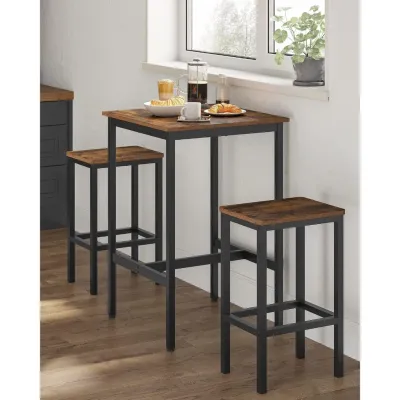
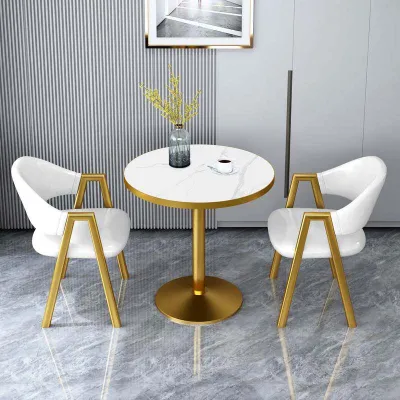
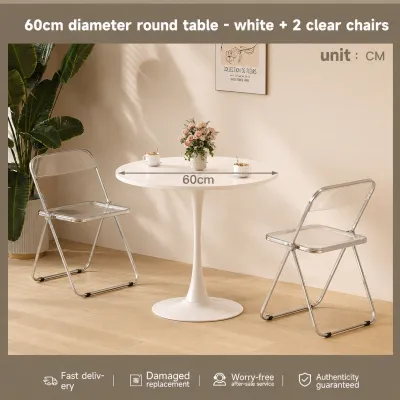
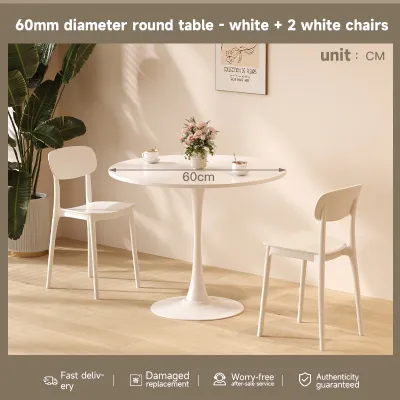
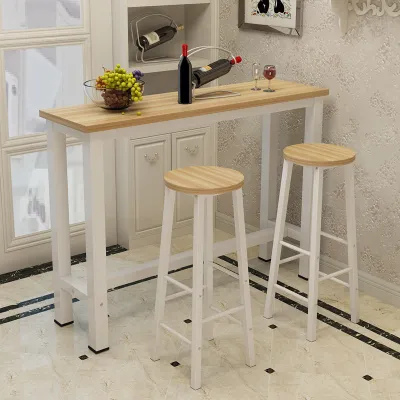
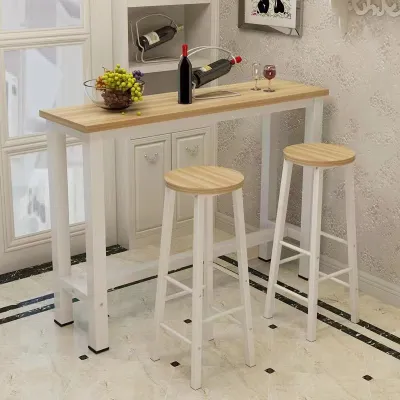
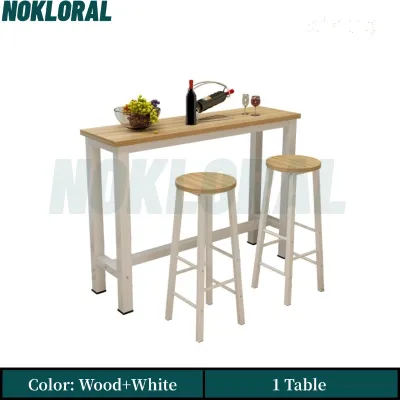
Prices are valid at publication and may change. Please refer to the product page for the latest price.
In open-plan layouts where the living room and kitchen merge, a two-person dining set can serve as a subtle room divider. Placing the table behind a sofa or adjacent to a kitchen island helps define the dining zone without blocking sightlines or natural light. When planning this layout, ensure there is at least 100 centimeters of space between the dining table and adjacent furniture to allow multiple people to move through the room simultaneously without feeling restricted.
The shape of the table significantly influences room traffic flow and visual weight. Square tables are highly efficient because they can sit flush against a wall or in a corner when not in use, instantly freeing up floor space. Round tables, on the other hand, lack sharp corners, making them safer in tight, high-traffic pathways. They also foster a more intimate dining experience and can visually soften the rigid lines of a rectangular room. Rectangular tables for two are less common but work exceptionally well in narrow, elongated dining zones, often doubling as work-from-home desks.
For multi-purpose rooms or compact studio layouts, space-saving mechanisms offer excellent flexibility. Drop-leaf tables allow you to fold down one or both sides of the tabletop when you need extra floor space, expanding only during meal times. Foldable wall-mounted tables can be tucked away entirely after breakfast. Another highly effective design is the nesting or “tuck-in” set, where the chairs are specially contoured to slide completely underneath the table frame, leaving a clean, compact footprint when not in use.
Evaluating Table Materials and Surface Care
In the Philippines, high relative humidity and warm temperatures can accelerate the wear of poorly finished furniture. When evaluating materials, look beyond generic marketing terms like “solid wood” or “engineered wood.” The protective surface treatment is what actually determines how well the table resists spills, condensation rings from cold drinks, and scratches.

Engineered wood, such as medium-density fiberboard (MDF) or particleboard, is highly common in budget-friendly sets. However, its longevity depends entirely on the quality of the laminate, veneer, or melamine coating. Ensure that all edges have thick, seamless edge banding. If moisture from a spilled drink or humid air penetrates an unsealed edge, the underlying engineered wood can swell, warp, and crumble over time.
Edge banding is a critical point of vulnerability for engineered wood tables. Inspect the edges closely to ensure the banding is thick, smooth, and completely fused to the core material. Any visible gaps, peeling, or sharp edges can allow humidity to seep in, leading to swelling and eventual delamination. High-pressure laminate (HPL) surfaces are generally more durable and moisture-resistant than low-pressure paper foils, making them a practical choice for high-use dining tables in tropical climates.
Solid wood options, such as rubberwood, acacia, or mahogany, offer excellent natural stability, but they still require proper sealing. A polyurethane or lacquer topcoat acts as a barrier against moisture. Check the manufacturer’s care instructions to see if the surface requires periodic oiling or waxing, and avoid placing solid wood tables in direct sunlight near windows, as intense heat can cause the wood to split or fade.
Metal and glass sets provide a modern aesthetic and are highly resistant to moisture damage. However, tempered glass tops require frequent wiping to remove fingerprints and smudges, and they can feel cold to the touch. If choosing a metal frame, verify that it has a powder-coated or rust-resistant finish to prevent corrosion in humid coastal areas or non-airconditioned rooms.
Inspect the structural joints beneath the tabletop. Look for reinforced corner blocks, heavy-duty bolts, or welded metal brackets rather than simple wood screws or glue. A stable base prevents the table from wobbling when you cut food or lean on the edge, ensuring a safe and reliable dining surface for years to come.
Selecting Chairs for Ergonomics and Stability
A dining set is only as comfortable as its chairs. To ensure proper posture and legroom, check the vertical clearance between the chair seat and the underside of the table. The standard ergonomic gap is between 25 and 30 centimeters. If the gap is too narrow, your thighs will feel pressed against the table apron; if it is too wide, you will have to strain your shoulders and arms to reach your plate.
Examine the chair’s structural integrity. Dining chairs undergo constant movement and weight shifting. Look for chairs with solid wood or welded metal legs. Check the manufacturer’s specified weight capacity labels, which typically range from 90 to 135 kilograms per chair. Avoid chairs that wobble or flex when light pressure is applied to the backrest.
For small spaces, armless chairs are generally more practical than chairs with armrests. Armless designs allow you to slide the chairs completely under the table when not in use, saving valuable floor space. They also make it easier to get in and out of the seat in tight quarters. Additionally, consider the height of the backrest; low-profile backrests keep the visual line of the room open, making a small dining area feel larger and less cluttered.
Floor protection is a small but vital detail. Ensure the chair legs are fitted with durable felt pads, rubber caps, or plastic glides. This prevents the chairs from scratching delicate ceramic tiles, polished concrete, or vinyl plank flooring common in Philippine homes.
Upholstery requires careful consideration based on your lifestyle and home climate. While padded fabric seats offer excellent comfort, they can trap heat and sweat in non-airconditioned rooms. If you prefer upholstered chairs, look for breathable woven fabrics or easy-to-clean synthetic leather (PU). Synthetic leather can be wiped down quickly after spills, making it highly practical, though it may feel sticky in high humidity. Alternatively, unadorned wooden or molded plastic chairs are exceptionally easy to clean and maintain, and you can always add removable, washable seat cushions for extra comfort.
Building Your Shortlist: Specifications to Verify Before Purchase
Before finalizing your purchase from an online marketplace or a local showroom, compile a checklist of verifiable specifications. Start with the exact assembled dimensions of both the table and the chairs. Do not rely on visual representations in photos, which can often make furniture look larger or smaller than it actually is.
Measure your home’s entry pathways. A common mistake is purchasing a beautiful dining set only to find it cannot fit through the front door, up a narrow condominium stairwell, or inside a standard passenger elevator. Check if the set is delivered fully assembled or as a flat-pack item. Flat-pack furniture is much easier to transport through tight spaces, but you must ensure you have the necessary tools and clear instructions for assembly.
When purchasing furniture online, pay close attention to the delivery and assembly terms. Some retailers offer professional assembly services for a small fee, which can save you time and ensure the set is put together securely. If you choose to assemble the furniture yourself, verify that all hardware, tools, and clear instructions are included in the package. It is also wise to check customer reviews and photos to verify the actual color and finish of the set, as studio lighting in product photos can sometimes alter the appearance of wood tones and fabrics.
Verify the weight limits and stability ratings. If you plan to use the dining table as a temporary workspace with heavy laptops, books, or sewing machines, ensure the table base is weighted properly to prevent tipping.
Carefully review the retailer’s warranty and return policies. In the furniture industry, warranties often cover manufacturing defects in the frame or joints for a limited period, such as six months to a year, but exclude normal wear and tear on finishes or upholstery. Understand the return conditions, especially for assembled items. Some retailers will not accept returns once the furniture has been unboxed and put together, while others may charge a restocking fee. Confirm whether after-sales support, such as replacement screws, glides, or matching touch-up markers, is readily available.
Frequently Asked Questions (FAQ)
Can I mix and match separate tables and chairs instead of buying a set?
Yes, mixing and matching allows you to create a highly personalized look, but it requires careful dimensional checks. Always measure the table’s height (typically 75 centimeters) and compare it with the chair’s seat height (usually 45 centimeters) to maintain the recommended 30-centimeter clearance. Additionally, check the distance between the table legs to ensure the chairs can slide completely underneath when not in use. If the table base is too narrow or has a central pedestal with a wide foot, the chairs might stick out, blocking your walkways.
How do I protect my dining table from daily wear and heat damage?
Protecting your table surface involves simple daily habits and physical barriers. Always use heat-resistant trivets or hot pads under hot serving dishes, pots, and pans to prevent the finish from clouding, blistering, or scorching. Use coasters for all beverages to avoid condensation rings, especially in humid tropical climates where cold drinks sweat rapidly. For daily cleaning, use a soft microfiber cloth slightly dampened with water or a mild, pH-neutral soap recommended by the manufacturer. Avoid harsh chemical sprays, abrasive scouring pads, or silicone-based polishes, which can degrade the protective topcoat over time.

Community discussion
Share your experience or ask a question. Comments are reviewed before publication.