
Choosing the right acrylic shoe box organizer is more than just finding a clear container; it requires a systematic evaluation of your footwear collection, your home’s spatial limits, and the structural integrity of the organizer itself. A well-chosen system protects your investment from dust and tropical humidity while transforming chaotic piles into a clean, visual display. By focusing on precise measurements, door accessibility, and ventilation, you can build a stable setup that keeps your shoes pristine and easily accessible.
Assess Your Shoe Collection and Space Requirements
To begin, you must conduct a thorough inventory of your current footwear. Do not rely on standard shoe sizes, as external dimensions vary wildly between a sleek flat, a chunky platform sneaker, and a structured boot. Grab a tape measure and document the maximum length, width, and height of your largest pairs. For sneakers, measure from the back of the heel tab to the tip of the toe bumper. For high heels, measure the vertical height from the base of the heel to the highest point of the collar.
Next, evaluate the physical space where you plan to stack these organizers. Measure the depth, width, and height of your closet shelves, entryway alcoves, or under-bed areas. Take note of any baseboards, light fixtures, or low-hanging clothes rods that might obstruct a vertical stack. It is also vital to check the weight limits of any existing wooden or wire shelving units, as a large collection of acrylic boxes filled with heavy shoes can exert significant downward force.
Products mentioned in this guide
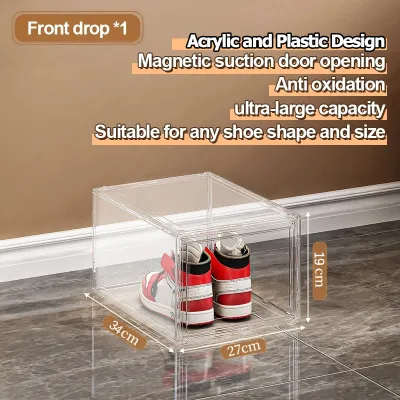
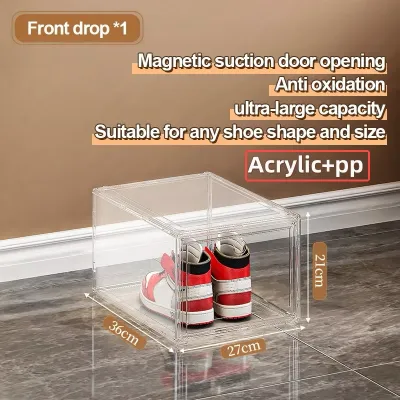
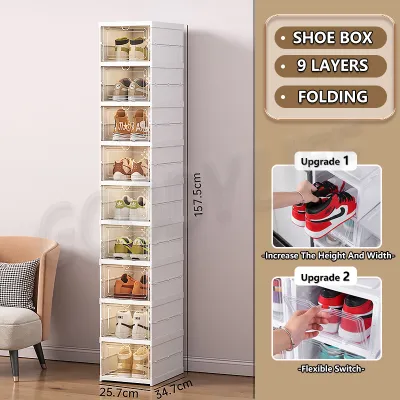
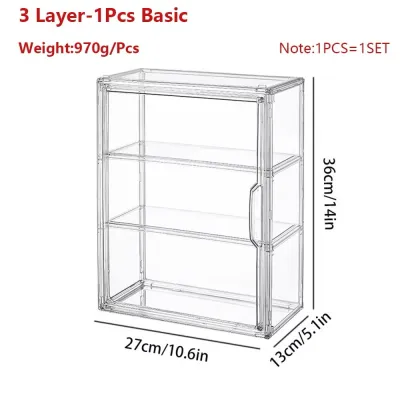
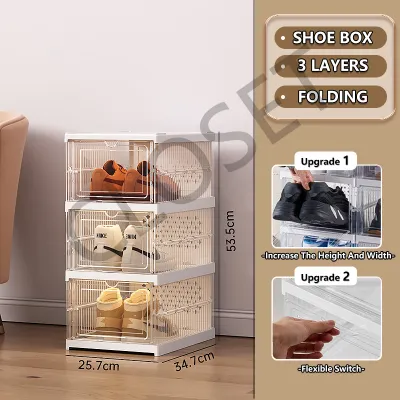
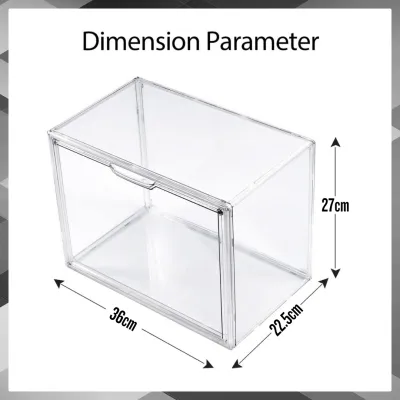
Prices are valid at publication and may change. Please refer to the product page for the latest price.
Do not overlook the path the boxes must travel before they reach their final destination. If you are purchasing pre-assembled or large-format multi-box units, verify that they can easily pass through narrow door frames, tight hallways, and winding staircases. Ensuring you have a clear path of transit prevents accidental scratches or structural damage to the acrylic panels during the move-in process.
Key Features to Evaluate in Acrylic Shoe Boxes
The opening mechanism of an acrylic shoe box dictates how easily you can retrieve your shoes on a busy morning. Front-drop doors are highly efficient for tall vertical stacks because they allow you to open the box and slide your shoes out without disturbing the units piled on top. Side-opening doors offer a wider visual profile, making them excellent for displaying the side details of limited-edition sneakers, though they require more lateral clearance. Magnetic top lids are best reserved for single-layer setups or top-shelf displays where you have unobstructed overhead access.

Stackability is the foundation of a safe storage system. Look for boxes designed with integrated interlocking grooves, recessed top panels, or heavy-duty nesting pegs that lock the top and bottom units together. These physical alignment features prevent individual boxes from sliding forward or shifting sideways when you open a door. Some premium models also include anti-slip silicone pads or reinforced corner pillars to distribute weight evenly across the entire stack.
Material quality directly affects both the clarity and longevity of your organizers. When comparing options, look for specifications detailing the thickness of the acrylic panels, which typically ranges from two to four millimeters. Thicker panels offer superior structural rigidity, preventing the middle of the box from bowing under the weight of stacked units. Additionally, check if the manufacturer applies a scratch-resistant surface treatment, as untreated acrylic can easily develop fine hairline scratches from everyday handling or contact with rough shoe soles.
In tropical climates characterized by high humidity, ventilation is a critical feature that cannot be ignored. Stagnant, humid air trapped inside a sealed plastic box creates an ideal breeding ground for mold, mildew, and unpleasant odors. Opt for organizers that feature dedicated ventilation designs, such as rear air vents, perforated side panels, or subtle gaps around the door frame. These openings facilitate continuous airflow, helping to keep your footwear dry and odor-free without allowing excessive dust to accumulate inside.
Matching Box Dimensions to Specific Shoe Types
Standard sneakers, running shoes, and low-profile flats generally fit comfortably in standard-sized acrylic boxes. However, you must ensure there is adequate internal clearance around the shoe to prevent friction damage. Aim for at least one to two centimeters of handling margin on all sides of the shoe. This extra space allows you to insert and remove your footwear easily without scraping the delicate leather, suede, or knit uppers against the hard interior walls of the box.
High heels, wedges, and platform shoes present unique spatial challenges due to their height and width. When storing these pairs, measure the widest part of the sole and the total height of the heel. Standard boxes often force you to lay heels on their sides, which can scuff the leather or bend delicate straps. Instead, look for medium or large-format boxes with increased vertical clearance, allowing you to store heels upright to preserve their shape and structural integrity.
Tall boots, high-top sneakers, and heavy work boots require specialized storage strategies. High-tops often need to be placed in extra-tall boxes or stored horizontally if the ankle collar is rigid. For tall boots, standard shoe boxes are rarely sufficient; folding the shafts can cause permanent creasing and cracking in the leather. For these items, seek out specialized extra-tall boot organizers, or consider using adjustable internal dividers that let you customize the height of the storage compartment to match your specific footwear.
Building a Scalable and Safe Stacking System
While stacking acrylic boxes is an excellent way to maximize vertical space, you must establish a safe limit to prevent structural failure. Always consult the manufacturer’s guidelines regarding the maximum number of safe stacking layers. Even with high-quality, thick acrylic, stacking boxes too high can cause the bottom units to warp or crack under the cumulative weight. As a general rule, lighter shoes should be placed near the top of the stack, while heavier footwear should remain at the base to keep the center of gravity low.
For tall vertical stacks—especially those exceeding five or six tiers—implementing anti-tip anchoring or wall-mounting strategies is essential for safety. This is particularly crucial in households with active pets, young children, or in regions prone to seismic activity. You can secure the stack by using clear adhesive safety straps attached to the wall, or by placing the entire assembly inside a sturdy closet frame that limits lateral movement.
Organizing your layout strategically will streamline your daily routine and protect your collection. Assign your most frequently worn daily shoes to the middle and lower-middle tiers, which sit at a comfortable waist-to-chest height for easy access. Reserve the lowest tiers for heavy boots or bulky items, and place seasonal footwear, formal dress shoes, or rare collector’s items on the highest shelves where they are safe from daily wear and tear but still beautifully displayed.
Purchasing and Assembly Checklist
Before finalizing your purchase from an online marketplace or local retailer, double-check the internal net dimensions of the boxes rather than relying on the external product measurements. External dimensions include the thickness of the frame and interlocking joints, which can reduce the actual usable space inside by a centimeter or more. Additionally, verify the bundle quantities to ensure you are getting the correct number of units for your budget, and carefully review the seller’s return policy in case any panels arrive damaged during transit.
When your organizers arrive, prepare a clean, flat workspace for assembly. Carefully peel off any protective plastic films from both sides of each acrylic panel to reveal their crystal-clear finish. Align the snap-fit joints precisely before applying pressure; forcing misaligned tabs can easily crack the brittle acrylic material. Once assembled, test the magnetic closures and door hinges several times to ensure smooth operation before placing the box into your stack.
Maintaining your acrylic shoe boxes requires gentle care to preserve their clarity over time. Use a soft microfiber cloth and a mild, diluted dish soap or a dedicated plastic cleaner to wipe away dust and fingerprints. Strictly avoid using glass cleaners, ammonia-based products, or corrosive solvents like alcohol or acetone, as these chemicals will cause the acrylic to develop micro-cracks, cloudiness, or permanent discoloration.
Frequently Asked Questions (FAQ)
Do acrylic shoe boxes turn yellow over time?
Yes, standard acrylic and other clear plastics can turn yellow and become brittle over time when exposed to ultraviolet (UV) light. This discoloration is caused by a chemical reaction that breaks down the polymer chains within the material. To prevent this, keep your shoe organizers away from direct sunlight, such as windows or open balconies. When shopping, check if the product specifications explicitly mention a UV-resistant coating or UV-stabilized acrylic, which helps maintain long-term clarity even in well-lit rooms.
Can I store heavy winter boots in standard acrylic boxes?
Storing heavy boots, such as thick leather combat boots or heavy-duty hiking boots, in standard acrylic boxes is not recommended without careful verification. Standard boxes are designed for lighter athletic or casual footwear, and the weight of heavy boots can exceed the load-bearing capacity of the bottom panels, leading to sagging or cracking. If you need to store heavy boots, verify the manufacturer’s weight limits, opt for specialized extra-tall and reinforced models, or place these heavy pairs on the very bottom row of your stack directly on the floor.

Community discussion
Share your experience or ask a question. Comments are reviewed before publication.