
Selecting the right adjustable bookshelf size is more than just finding a piece of furniture that fits an empty corner. It requires balancing the physical boundaries of your study room with the specific dimensions of your reading collection. The primary advantage of an adjustable bookshelf lies in its versatility; by changing the height of individual shelves, you can eliminate wasted vertical space and adapt the unit as your library grows. To make the correct choice, you must evaluate your floor space, room proportions, structural safety, and delivery access before finalizing your purchase.
Measure Your Study Room Space and Architectural Constraints
Before browsing designs, you must obtain precise measurements of the area where you plan to place the furniture. Grab a reliable steel tape measure and record the exact width, depth, and vertical clearance of the designated wall space. In many homes, vertical space is highly valuable but often restricted by structural beams, low drop ceilings, or wall-mounted split-type air conditioning units. Measuring only the open wall space is a common oversight; you must measure the floor area itself to ensure the footprint does not encroach on walkways.
You must also identify architectural features that project from the wall or floor. Baseboards, electrical outlets, light switches, window sills, and telephone jacks can all prevent a bookshelf from sitting flush against the wall. If a bookshelf blocks an outlet, you lose access to power and create a gap that compromises the unit’s stability. If you have wall-mounted air conditioning units, ensure there is at least 30 to 50 centimeters of clearance below them to allow proper airflow and prevent cool, damp air from blowing directly onto your books.
Products mentioned in this guide
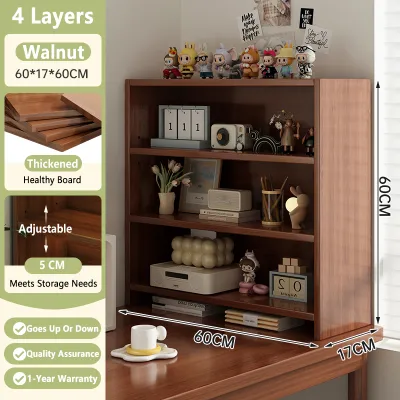
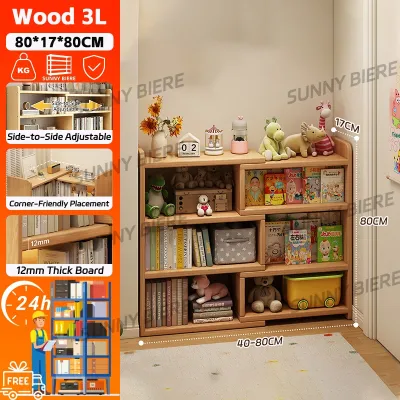
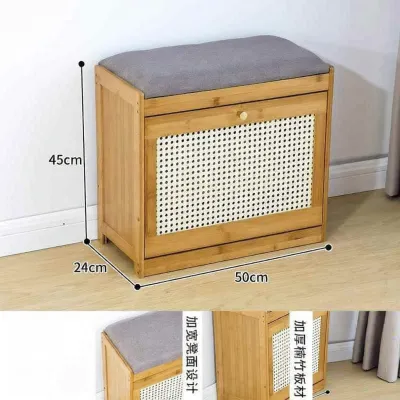
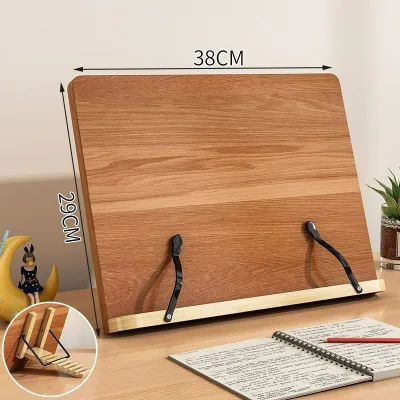
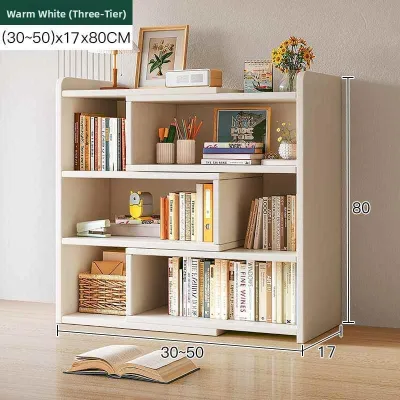
Prices are valid at publication and may change. Please refer to the product page for the latest price.
Walkway clearance is equally critical for a comfortable study environment. Keep at least 60 to 90 centimeters of open pathway in front of the bookshelf so you can comfortably pass by, bend down to reach lower shelves, or use a step stool without feeling cramped. Finally, measure your delivery pathway. Before purchasing, verify that the packaged or pre-assembled unit can physically clear your front door, tight hallway corners, stairwells, and condominium elevators. A bookshelf that cannot fit through your entryway will result in costly returns or assembly headaches.
Calculate Your Storage Needs and Shelf Intervals
Your storage requirements dictate the internal configuration and overall capacity of the bookshelf. Begin by categorizing the items you plan to store. Standard paperbacks and pocketbooks are lightweight and compact, requiring minimal height and depth. Conversely, heavy university textbooks, law books, ring binders, and architectural portfolios demand both substantial vertical clearance and deeper shelves. If you plan to mix books with storage boxes, woven baskets, or decorative items like potted plants, note their specific dimensions as well.

The depth of your shelves must accommodate your largest items. If you store standard novels, a shelf depth of 20 to 25 centimeters is sufficient. However, if you have large binders or storage bins, you will need a depth of 30 to 35 centimeters to prevent items from overhanging the edge. Measuring the depth of your largest book or box ensures you do not end up with a unit that is too shallow, which can cause items to fall or look cluttered.
The primary benefit of an adjustable bookshelf is the ability to customize shelf intervals. Instead of settling for fixed, uniform compartments that leave empty air above short novels, you can set lower clearances for paperbacks and wider clearances for tall binders. This optimization can increase your overall storage capacity by up to 30 percent within the same external footprint. When planning your layout, place the tallest and heaviest items on the bottom shelves to keep the center of gravity low, which enhances overall stability.
Match External Bookshelf Dimensions to Your Room Proportions
Matching the external dimensions of the bookshelf to your study room’s proportions ensures both functional utility and visual harmony. The width, height, and depth of the unit should complement the room’s scale rather than overwhelm it.
Width Considerations
If you are working with a compact study or a multi-purpose bedroom office, a single, narrow bookshelf spanning 40 to 60 centimeters wide can slip easily into an unused alcove or corner. For spacious rooms or dedicated home libraries, wide or modular configurations spanning 120 centimeters or more allow you to create a grand, built-in look. Modular units are particularly useful because they allow you to add sections over time as your collection expands.
Height Considerations
High ceilings offer an excellent opportunity to maximize vertical storage. A tall unit measuring 180 to 210 centimeters draws the eye upward, making the room feel grander while offering maximum shelf space. However, if your study has low ceilings, sloped walls, or large windows, a low-profile bookshelf measuring 90 to 120 centimeters tall keeps the room feeling open and airy. Low units also double as handy console tables where you can place reading lamps or reference materials.
Depth Considerations
Standard bookshelf depths range from 25 to 40 centimeters. In tight study rooms, opt for a shallow profile of 25 to 30 centimeters to preserve valuable floor space and maintain traffic flow. Reserve deeper units of 35 centimeters and above for heavy-duty storage, such as deep files or reference manuals, and place them where they will not obstruct movement or door swings.
Visual Weight
A massive, dark-colored wooden bookshelf can easily overwhelm a small study room, making it feel dark and claustrophobic. To prevent this, consider open-back designs that let the wall color show through, or choose lighter finishes like white, light oak, or soft gray. These design choices reduce the visual weight of the furniture, keeping your workspace bright and inviting.
Plan for Installation Clearances and Structural Safety
Proper installation is vital for safety, usability, and the longevity of both your bookshelf and your walls. You must plan for specific clearances and structural checks before placing the unit in its final position.
Leave a small gap of about 1 to 2 centimeters at the top and sides of the bookshelf. This space is essential for air circulation, which helps prevent moisture buildup and mold—a common issue in humid tropical environments. It also gives you enough finger room to adjust the shelf pins comfortably without scraping your knuckles against the adjacent walls.
Many floors, particularly tiled or older concrete floors, are not perfectly level. An uneven floor causes a tall bookshelf to wobble or twist, putting stress on the joints and preventing adjustable shelves from sitting flat. Use a spirit level to check the floor, and insert sturdy plastic or wood shims under the base until the unit is perfectly level and stable.
Safety is paramount, especially in households with active children or pets. Tall bookshelves—anything over 120 centimeters—are inherently top-heavy when loaded and must be securely anchored to the wall. If your study room has concrete or masonry walls, use appropriate wall plugs and masonry screws. For drywall, locate the wooden studs and anchor the safety brackets directly into them. Never rely on simple adhesive strips or lightweight plastic drywall anchors for heavy furniture.
Before loading your shelves, verify the manufacturer’s stated weight capacity per shelf and the total weight limit for the entire unit. A material name alone does not prove weight capacity or durability. For example, while solid wood is robust, its actual load capacity depends on the thickness of the shelf and the distance between supports. Engineered wood, such as MDF or particleboard, can sag over time if overloaded or exposed to high humidity. Check the quality of the protective laminate or veneer finish, as a well-sealed finish helps protect the core material from moisture absorption and sagging.
Avoid Common Bookshelf Sizing and Placement Mistakes
Avoiding common pitfalls during the planning phase can save you from costly returns, damaged items, or an unusable study layout.
- Ignoring delivery pathways: Many buyers measure their study room perfectly but forget to check the narrow stairwell of their townhouse or the interior dimensions of their condominium lift. Ensure the packaged furniture can navigate these tight spaces.
- Forgetting baseboard thickness: If a bookshelf does not feature a baseboard cutout at the bottom rear, it cannot sit flush against the wall. This creates an unstable backward lean or an unsightly gap where small items can fall behind the unit.
- Overestimating weight limits: Placing heavy stacks of law journals, encyclopedias, or dense binders on a wide, unsupported adjustable shelf will cause the shelf to sag over time. This sagging can damage the finish and cause the shelf to slip off its support pins.
- Obstructing traffic and desk chairs: Placing a deep bookshelf directly behind your study desk can block the backward movement of your office chair. An ergonomic desk chair typically requires 100 to 120 centimeters of clearance behind the desk to glide back and turn comfortably. Ensure your bookshelf placement does not restrict this essential movement.
Frequently Asked Questions (FAQ)
How much weight can an adjustable bookshelf shelf hold?
Weight capacity varies widely based on shelf span, thickness, and material quality. Generally, a standard 80-centimeter-wide shelf made of high-quality engineered wood can support around 15 to 20 kilograms, while solid wood or metal shelves of the same size can support significantly more. Always consult the manufacturer’s specifications for exact load limits. To ensure stability, avoid overloading the shelves and place your heaviest items on the bottom levels to keep the unit’s center of gravity low.
Can I place an adjustable bookshelf in front of a window?
Placing a bookshelf directly in front of a window is generally not recommended. It blocks natural light, making your study room darker, and exposes your books to direct sunlight, which causes UV damage and fading over time. Additionally, a tall bookshelf will obstruct your access, making it difficult to open, close, or clean the window. If you must place a shelf near a window, choose a low-profile unit that sits entirely below the window sill.

Community discussion
Share your experience or ask a question. Comments are reviewed before publication.