
The ideal bedside table should align closely with the top of your mattress, typically sitting level with or up to a few inches below the sleeping surface. This alignment ensures you can easily reach for a glass of water, a phone, or a lamp switch without straining your arm or bumping your head in the dark. Finding the perfect match requires balancing this height with the available floor space, the width of your bed frame, and your personal storage needs.
In tropical climates like the Philippines, where bedroom layouts often balance cooling airflow from fans or air conditioners with compact floor plans, choosing the right furniture dimensions is crucial. A table that is too large can block essential ventilation pathways or crowd a tight room, while one that is too small will leave you struggling to organize your daily essentials. By taking a few precise measurements and considering how you use your bedside space, you can select a piece that is both highly functional and visually balanced.
Measure Your Bed and Available Space
Before browsing online marketplaces or visiting local furniture showrooms, you must gather accurate measurements of your current sleeping setup. Start by measuring the vertical distance from the floor to the very top of your mattress. Be sure to include any thick mattress toppers, pillow tops, or mattress protectors you currently use, as these can add several inches to the overall height of your bed.
Products mentioned in this guide
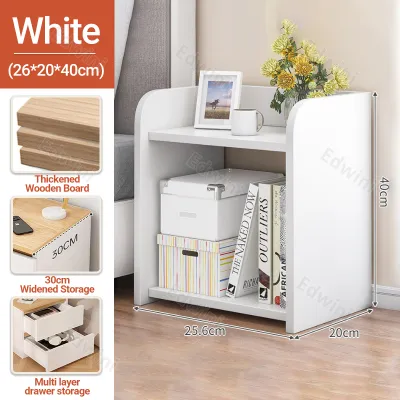
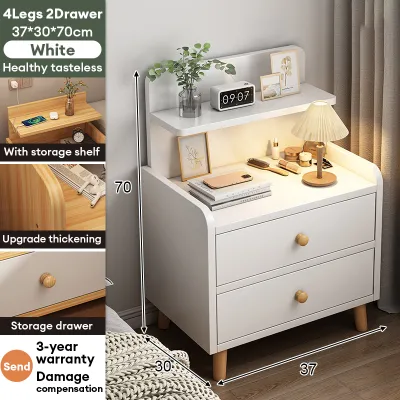
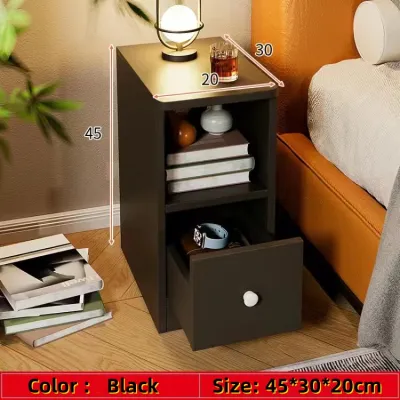

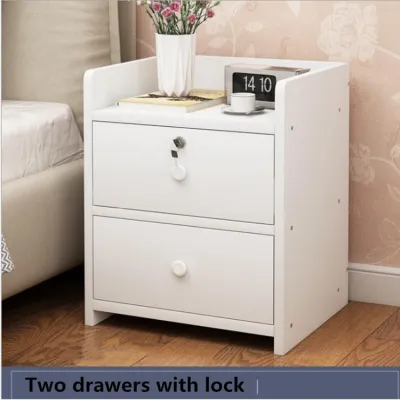
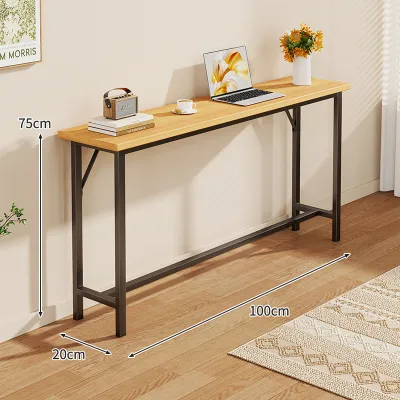

Prices are valid at publication and may change. Please refer to the product page for the latest price.
Next, measure the available floor space on either side of your bed frame. Use a metal measuring tape to determine the exact distance from the edge of the mattress to the nearest wall, window sill, or electrical outlet. This step prevents you from purchasing a table that blocks power sockets or sits awkwardly against window frames.
You must also account for the physical clearance required by other furniture and architectural features in the room. Take note of nearby wardrobe doors, bedroom doors, and cabinet drawers that swing open toward the bedside area. Leaving a comfortable buffer zone ensures that your new table will not obstruct daily movement or prevent you from fully opening your closet.
Finally, map out the essential walking pathways around your bed. In smaller bedrooms, even a slight protrusion can turn a midnight trip to the bathroom into a hazard. Ensure there is enough clearance for you to walk comfortably past the corner of the bed without having to squeeze sideways.
Match the Bedside Table Height to Your Mattress
The primary rule of bedside ergonomics is to keep the tabletop surface level with, or slightly lower than, the top of your mattress. This alignment creates a seamless horizontal line that is easy for your arm to navigate when you are lying down. Reaching slightly downward to grab an item is far more natural for the human body than reaching upward.

Choosing a table that is significantly taller than your mattress can lead to daily inconveniences and safety concerns. In the dark, a high, hard corner poses a constant risk of accidental bumps to your head, elbows, or hands. Visually, an overly tall table dominates the bedside area, making the bed look awkwardly low and disrupting the balance of the room.
If you sleep on a low-profile platform bed, which is popular in modern minimalist homes, you will need to search for specialized low-slung side tables. Standard tables will tower over a platform bed, making the setup feel disconnected. Conversely, if you have a traditional high bed frame paired with a thick spring mattress, look for taller, classic nightstands to maintain a cohesive proportion.
When evaluating potential tables, aim for a height difference of no more than two to three inches below the mattress top. This small margin keeps your reading lamp at the correct angle for your eyes while ensuring your phone or water glass remains within arm’s reach. Always verify the manufacturer’s specified dimensions against your recorded mattress height before making a purchase.
Determine the Ideal Width and Depth
The width of your bedside table should complement the visual scale of your bed frame. For instance, a grand king-size bed paired with tiny, narrow tables will look top-heavy and unbalanced. Larger beds generally require wider tables to anchor the sleeping area, while single or double beds pair beautifully with more compact, slender designs.
Depth is another critical dimension that directly impacts the flow of your bedroom. A table that is too deep will protrude past the edge of your mattress, creating a physical barrier when you try to get in and out of bed. To maintain a clean look and clear pathways, select a table depth that matches or is slightly shallower than the depth of your pillows when propped up.
Consider what items you plan to keep on the tabletop on a daily basis. If you use a large table lamp, a stack of books, and a charging station, you will need a wider surface area to prevent clutter. However, you must balance this functional need with the visual weight of the furniture; a solid, blocky table can make a medium-sized room feel cramped.
For rooms with limited wall space, look for tables with slender legs or open bases. These designs provide the necessary surface area while allowing light and air to pass through, which helps maintain an airy, spacious feel. Always compare the footprint of the table with your floor measurements to ensure a comfortable fit.
Adapt for Small Bedrooms and Multi-Functional Needs
In compact urban apartments or cozy guest rooms, traditional bedside tables may not fit comfortably. Fortunately, several space-saving alternatives can provide the functionality you need without consuming valuable floor space. Narrow side tables, nesting tables, or wall-mounted floating shelves are excellent options for tight corners.
If you choose to install wall-mounted floating shelves, proper installation is essential for safety and durability. Ensure the shelves are secured with high-quality wall anchors rated for the specific weight of your items, especially if you plan to place heavy books or ceramic lamps on them. In tropical regions, check that the wall material can support the anchors securely without crumbling.
Dual-purpose furniture is another smart way to maximize utility in a small bedroom. A sturdy wooden stool can serve as a rustic bedside table at night and extra seating for guests during the day. Alternatively, a small C-shaped laptop stand can slide over the bed frame when you need to work, then tuck neatly to the side as a nightstand when it is time to sleep.
To keep a small bedroom from feeling claustrophobic, prioritize furniture with visually light structures. Tables made with thin metal frames, open wire baskets, or transparent acrylic materials allow the eye to see the floor and walls behind them. This visual trick makes the entire room feel larger and more open while still providing a stable surface for your nighttime essentials.
Evaluate Storage and Functional Features
Your personal habits should dictate the storage configuration of your bedside table. If you prefer a clean, minimalist aesthetic, a table with closed drawers is ideal for concealing charging cables, sleep masks, and personal items. If you enjoy displaying decorative items, plants, or curated book collections, open shelving or a simple tabletop may suit you better.
Before purchasing a table with drawers or cabinet doors, carefully check the clearance around your bed. Ensure that the drawers can slide out fully without hitting the edge of your mattress, the headboard, or any nearby curtains. If space is exceptionally tight, a table with sliding doors or simple open cubbies can eliminate this clearance issue entirely.
Many modern bedside tables come equipped with built-in charging ports, USB outlets, or cable management slots. If you are considering these features, verify that the integrated plugs and voltage requirements match your local electrical standards. In the Philippines, where flat two-pin plugs are standard, ensuring compatibility prevents the need for bulky adapters that clutter your tabletop.
Additionally, consider the material and finish of the table in relation to your local climate. High humidity can cause untreated wood to warp or drawers to stick over time. Look for tables with durable finishes, smooth-gliding metal drawer runners, or moisture-resistant materials that can withstand seasonal changes while remaining easy to clean and maintain.
Frequently Asked Questions (FAQ)
Can a bedside table be higher than the bed?
While a bedside table can technically be higher than the bed, it is generally not recommended for safety and ergonomic reasons. A taller table increases the risk of bumping your head or arms while sleeping, and it makes reaching for items in the dark more difficult. Visually, a table that towers over the mattress can make the bed look disproportionately small and disrupt the balance of the room.
Do bedside tables need to match the bed frame?
Bedside tables do not need to match your bed frame. Mixing different materials, colors, and textures can add depth and personality to your bedroom design. To keep the look cohesive without being overly matching, try to tie the pieces together using shared design elements, such as similar hardware finishes, complementary wood tones, or a consistent color palette.
What can I use instead of a traditional bedside table?
If you want a unique or space-saving alternative, you can use items like a sturdy wooden stool, a small ladder shelf, a bar cart, or stacked vintage suitcases. Wall-mounted floating shelves and hanging baskets are also excellent options for keeping the floor clear. Always verify the stability and weight capacity of any alternative item to ensure it can safely hold your lamps and electronics.

Community discussion
Share your experience or ask a question. Comments are reviewed before publication.