
To accommodate a large family of 6 to 10 people, selecting the right black Lifetime table requires balancing physical dimensions, structural stability, and space efficiency. For daily dining and frequent family gatherings, a rectangular table measuring 6 to 8 feet in length, or a large round folding table, offers the necessary surface area. The ideal choice depends on your home’s layout, whether you plan to use it indoors or in a semi-outdoor space like a dirty kitchen, and how often you need to fold and store the unit.
A black finish provides a modern, sleek aesthetic that fits contemporary homes, but it requires specific considerations regarding heat absorption and dust visibility. By evaluating your available floor space, checking manufacturer-specified weight capacities, and understanding the structural differences between fold-in-half and solid-top models, you can select a durable table that serves as the centerpiece for family meals for years to come.
Understanding Table Sizes and Shapes for 6 to 10 People
When planning for a large household, understanding how table dimensions translate to actual seating comfort is essential. Each diner requires approximately 24 inches (60 cm) of lateral space to eat comfortably without bumping elbows. Additionally, the center of the table must have enough room for serving platters, rice cookers, and shared dishes, which are central to family-style dining.
Products mentioned in this guide
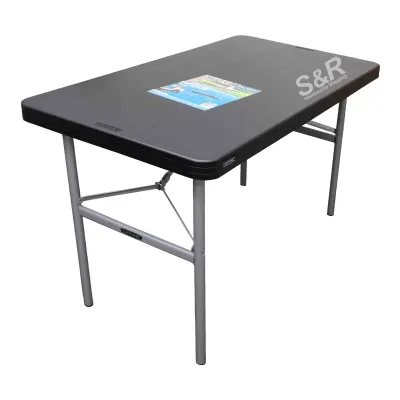
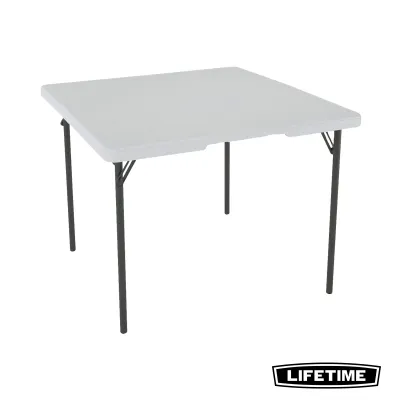
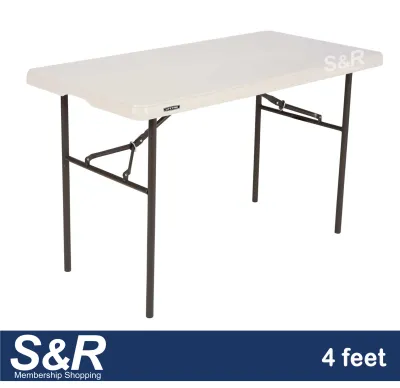
Prices are valid at publication and may change. Please refer to the product page for the latest price.
A 6-foot rectangular table (approximately 183 cm in length) is highly versatile and serves as a practical baseline. It comfortably seats 6 adults along the sides, and can accommodate up to 8 people if you utilize the two ends. For households that regularly seat 8 to 10 people, an 8-foot rectangular table (approximately 244 cm in length) is the standard recommendation. This length ensures that everyone has ample personal space, even when the table is fully loaded with heavy serving bowls.
Round tables offer a distinct alternative that alters the room’s social dynamic. A 60-inch (approximately 152 cm) round table can seat 8 to 10 people, creating an intimate setting where everyone faces the center. This configuration facilitates easy conversation and makes sharing dishes simple. However, round tables require a much larger, square-shaped floor area and can easily overwhelm narrow dining rooms or open-plan living spaces.
Adjustable and folding mechanisms provide the flexibility needed for multi-purpose rooms. Fold-in-half models feature a central hinge that allows the tabletop to fold down into a compact square, making them easy to store in closets or transport in a vehicle. Solid-top models do not fold in the middle; only the legs fold flat against the underside. While solid-top tables offer a completely seamless surface with no center seam, they require a long, flat storage area when not in use.
Choosing between these shapes and mechanisms depends on your primary usage. If the table will remain permanently set up in a dedicated dining room, a solid-top rectangular or round model offers maximum surface stability. If you need to clear the room for other activities or transport the table for outdoor gatherings, a fold-in-half rectangular model provides the necessary portability.
Evaluating Build Quality and Surface Features
The structural integrity of a large utility table depends heavily on its frame design and locking mechanisms. Look for powder-coated steel frames that resist rust, which is particularly important in humid tropical environments. The design of the legs—whether wishbone, straight, or nesting—directly affects both the table’s stability and the amount of legroom available for those sitting at the ends.

Before purchasing, verify the locking mechanisms on the display model or product manual. High-quality folding tables utilize gravity rings or slide locks that secure the legs firmly in the open position. For fold-in-half models, a secure center lock is essential to prevent the tabletop from bowing or sagging under the weight of heavy serving platters, soup tureens, and central hot pots.
The tabletop material is typically high-density polyethylene (HDPE). While HDPE is highly durable and impact-resistant, you must verify the manufacturer’s specified weight capacity on the product label. Avoid assuming all plastic tables carry the same load; some are rated for light utility use, while others are engineered for heavy-duty commercial demands. Checking these specifications ensures the table can safely support heavy dining setups.
A black finish offers a sophisticated, modern look, but it behaves differently than lighter colors under daily use. In outdoor settings, such as a sunny patio or backyard, black plastic absorbs heat rapidly, making the surface hot to the touch if left uncovered. Additionally, dark surfaces make fine dust, water spots, and minor surface scratches more visible. Choosing a table with a textured or matte black finish can help diffuse light and minimize the appearance of daily wear.
To ensure long-term satisfaction, inspect the underside of the tabletop. High-quality models feature a dense honeycomb or matrix structure on the underside of the plastic, which provides rigidity without adding excessive weight. This design prevents the plastic from warping or denting over time, even when exposed to warm serving dishes.
Pre-Purchase Space and Logistics Checks
Before committing to a specific table size, precise measurements of your dining area are critical. A common mistake is measuring only the table’s footprint without accounting for the space required for chairs and movement. To ensure comfortable dining, you need to leave sufficient clearance around the entire perimeter of the table.
Logistics are equally important, especially for those living in high-rise condominiums or multi-story homes. An 8-foot solid-top table is exceptionally long and may not fit into standard residential elevators, narrow stairwells, or tight corridors. Measure every doorway, hallway turn, and elevator entrance along the delivery path to avoid a frustrating delivery day.
Consider the type of flooring in your dining space. Heavy steel-legged tables can scratch polished hardwood, chip ceramic tiles, or leave marks on vinyl flooring when shifted. Check that the table legs are equipped with durable, non-marring foot caps. If the built-in caps are hard plastic, consider adding felt or rubber protective pads to safeguard your floors.
If you plan to use the table outdoors on a lawn or patio, check the ground stability. Wishbone leg designs distribute weight across a wider base, which can prevent the legs from sinking into soft soil or grass during outdoor family gatherings. For indoor use on flat surfaces, straight legs or nesting designs offer a cleaner look and maximize legroom.
Comparing Common Table Configurations
To help you decide which setup aligns best with your household’s daily routine and spatial constraints, consider the following comparison of common configurations:
| Table Configuration | Seating Capacity | Space Efficiency | Storage Requirements | Best Suited For |
|---|---|---|---|---|
| 6-Foot Rectangular (Fold-in-Half) | 6 to 8 people | High (compact footprint) | Very Low (folds to 3 feet) | Small dining rooms, multi-purpose spaces, and easy transport |
| 8-Foot Rectangular (Solid Top) | 8 to 10 people | Medium (requires long room) | High (requires 8 feet of flat storage) | Dedicated dining rooms, spacious patios, and permanent setups |
| 60-Inch Round (Folding Legs) | 8 to 10 people | Low (requires wide square area) | Medium (folds flat but remains wide) | Large square rooms, open-concept spaces, and shared family-style meals |
For daily family meals where space is at a premium, a 6-foot rectangular fold-in-half table is often the most practical choice, as it can be easily tucked away when not in use. However, if your home frequently hosts extended family reunions, Sunday lunches, or holiday feasts, the 8-foot rectangular or 60-inch round configuration ensures that everyone has a comfortable seat at the table.
When choosing between a solid-top and a fold-in-half model, consider the frequency of assembly. If you plan to set up and take down the table daily, a fold-in-half model saves significant storage space but requires a bit more effort to lock and unlock. A solid-top model is faster to set up since only the legs fold, making it ideal for quick deployments.
Maintenance and Long-Term Care
Maintaining a black plastic table involves simple but consistent care to preserve its appearance and structural safety. For routine cleaning, use a soft cloth or sponge with mild dishwashing soap and warm water. Avoid abrasive scrubbing pads, steel wool, or harsh chemical cleaners like bleach and ammonia, which can scratch or permanently dull the matte black finish.
If you use the table outdoors, protect it from prolonged exposure to direct sunlight and heavy rain. While HDPE is UV-protected, continuous exposure to intense tropical sunlight can eventually cause the plastic to fade or degrade. Storing the table indoors, under a covered patio, or using a weather-resistant protective cover when not in use will significantly extend its lifespan.
Periodically inspect the hardware of your folding table. Check the hinges, joints, and leg locks for any signs of loose screws, rust, or mechanical wear. Lubricating the folding joints with a silicone-based spray can keep the folding mechanism operating smoothly and prevent stiff joints from bending out of shape.
Promptly clean up spills from acidic or highly pigmented foods, such as soy sauce, vinegar, or tomato-based sauces. While HDPE is highly stain-resistant, leaving dark liquids on the surface for extended periods can leave faint residues that are difficult to remove from a textured black surface.
Frequently Asked Questions (FAQ)
Can a plastic folding table support heavy dining setups?
Yes, high-quality plastic folding tables are engineered to support substantial weight, but you must always verify the exact weight capacity on the manufacturer’s product label. To ensure safety, distribute the weight evenly across the tabletop rather than concentrating heavy items, such as large beverage dispensers or heavy cooking appliances, in a single spot.
Does a black table surface show scratches or dust more easily?
Yes, dark surfaces naturally highlight light-colored dust, pollen, and superficial scratches more than white or light-gray surfaces. To manage this, wipe the table down with a damp microfiber cloth before meals, and consider using placemats or a tablecloth during heavy use to protect the surface from cutlery scratches.
How much clearance is needed around the table for chairs?
As a general rule, you should allow at least 36 inches (approximately 91 cm) of clearance between the edge of the table and the nearest wall or furniture piece. This provides enough space for diners to pull out their chairs and sit down comfortably, as well as allowing others to walk behind them without disruption.

Community discussion
Share your experience or ask a question. Comments are reviewed before publication.