
Finding the right cabinet shelf organizer for clothes in the Philippines requires balancing space efficiency with climate-specific challenges. In a tropical environment characterized by high humidity and distinct wet and dry seasons, wardrobe storage is not just about neatness. It is also about protecting fabrics from mold, mildew, and dust.
Standard built-in closets often feature deep, wide shelves that lead to towering, unstable stacks of clothing. By selecting the appropriate organizer, you can maximize vertical space, keep garments accessible, and maintain a fresh wardrobe throughout the year.
Assess Your Wardrobe Space and Storage Needs
Before purchasing any storage accessories, a thorough assessment of your existing wardrobe dimensions and clothing inventory is essential. Start by measuring the interior width, depth, and height of each shelf using a metal measuring tape. Do not rely on external wardrobe dimensions, as cabinet walls, back panels, and door frames reduce the actual usable space. Pay close attention to potential obstructions such as sliding door tracks, cabinet hinges, and door frames that might restrict how far an organizer can slide out or how wide an opening is available.
Products mentioned in this guide
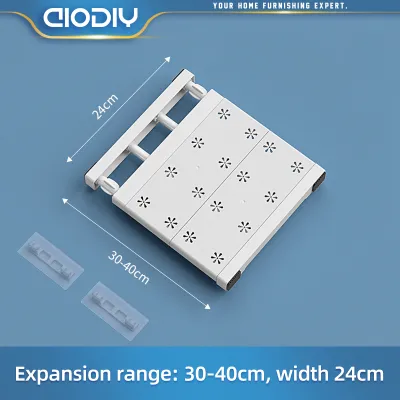
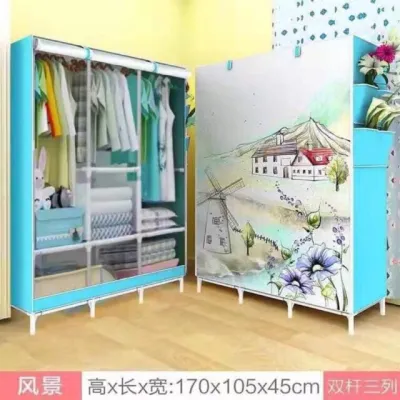
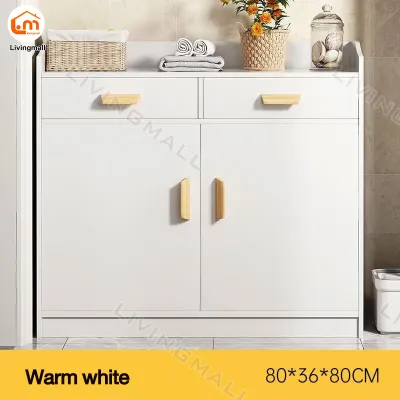
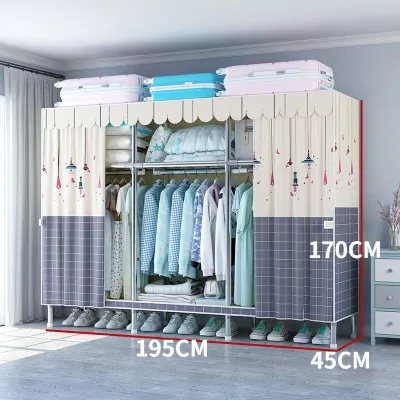
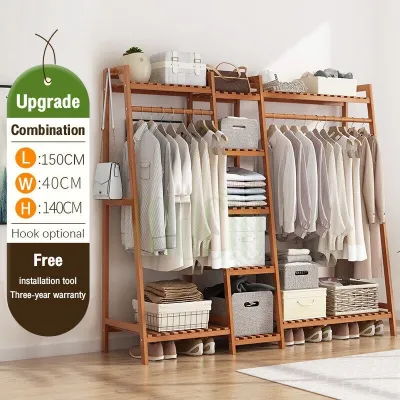
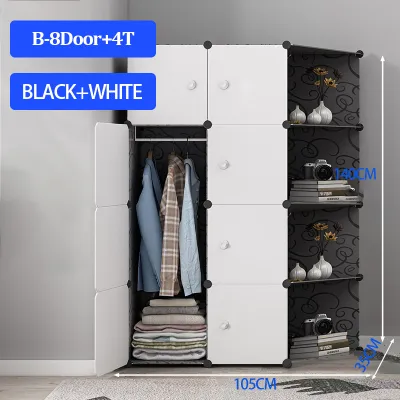
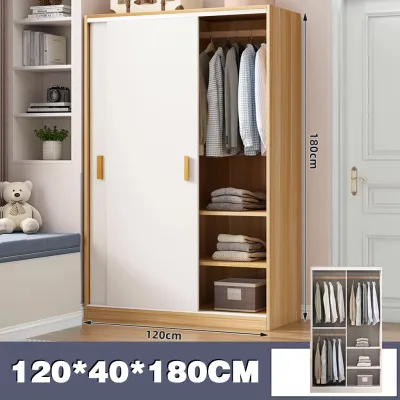
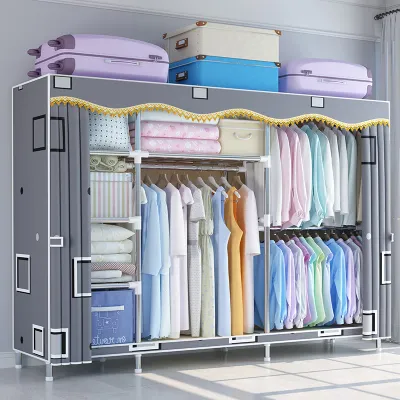
Prices are valid at publication and may change. Please refer to the product page for the latest price.
Next, categorize your clothing by fabric weight, thickness, and folding style. Heavy items like denim jeans, sweaters, and thick cotton hoodies require sturdy support and are best stored in flat, low stacks. Conversely, lightweight items such as t-shirts, activewear, and undergarments can be folded using space-saving methods like file-folding or rolling. Understanding the volume of each clothing category helps determine whether you need open dividers to keep tall stacks upright or enclosed bins to contain smaller, loose items.
Finally, identify the specific pain points in your current setup. If your primary issue is that stacks of t-shirts constantly slide into one another, vertical dividers are the logical solution. If you have deep shelves where items at the back are forgotten and gather dust, sliding drawers or pull-out bins will improve accessibility. For high shelves with significant vertical clearance, stackable bins or shelf risers can double your usable storage area without cluttering the floor space.
Key Features to Evaluate in Shelf Organizers
Selecting a shelf organizer involves analyzing structural integrity and environmental compatibility. In the Philippines, where indoor humidity levels can fluctuate significantly, choosing the wrong material can lead to sagging shelves, rusted metal components, or musty-smelling clothes.

Weight capacity and structural rigidity are critical, especially if you plan to store heavy textiles. Look for organizers with reinforced bases or rigid frames that maintain their shape under load. A sagging organizer not only looks untidy but can also warp your cabinet shelves over time or make it difficult to slide adjacent bins.
Ventilation is another crucial factor for tropical wardrobe care. Enclosed spaces with poor airflow are breeding grounds for mold and mildew. If you choose enclosed storage boxes, prioritize those made from breathable fabrics or those featuring ventilation eyelets. For solid plastic or acrylic options, ensure they are used for frequently worn items or paired with moisture-absorbing packets to keep the interior dry.
Lastly, consider the ease of cleaning. Dust, lint, and humidity can combine to form a sticky layer on surfaces over time. Organizers with smooth, non-porous surfaces like polished acrylic, sealed wood, or wipeable plastics are much easier to maintain than textured fabrics that require hand-washing or dry cleaning.
Material and Durability Checks
When browsing options online or in local home improvement stores, always verify the material composition and build quality. Check the product descriptions for specific material labels, such as high-density polyethylene (HDPE), PET plastic, powder-coated steel, or treated bamboo. Avoid products that use vague terms like “heavy-duty plastic” without specifying the polymer type or thickness, as these may crack easily under pressure.
Inspect the physical construction of the organizer for potential hazards to your clothing. Run your fingers along the seams, joints, and edges. Rough welds on metal wire baskets, sharp plastic molding lines, or unpolished acrylic edges can easily snag delicate fabrics like silk, lace, or fine knits, causing irreversible damage. Look for rounded corners, polished edges, and covered joints.
Moisture resistance is paramount for long-term durability. If you are considering wooden or bamboo organizers, verify that they have been treated with a water-resistant sealant or varnish to prevent warping and mold growth. For fabric organizers, look for synthetic blends like polyester or nylon with water-repellent coatings, which are less prone to absorbing atmospheric moisture than untreated natural cotton canvas.
Size, Adjustability, and Stackability
Achieving a perfect fit within your cabinet requires careful consideration of organizer dimensions and modular features. Fixed-dimension organizers are highly stable but offer no flexibility if you decide to rearrange your wardrobe or move to a new home. If you prefer a custom fit, look for expandable dividers or adjustable shelf risers that can be tailored to the exact width or height of your cabinet space.
For vertical storage, stackable designs are highly efficient, but they must be structurally safe. Evaluate the interlocking mechanisms, such as recessed lids, stacking lips, or peg-and-hole systems, to ensure that the top bin cannot easily slide off the bottom one. Avoid stacking lightweight fabric bins that lack internal wire frames, as the weight of the upper bins will cause the lower ones to collapse and wrinkle your clothes.
Do not forget to account for human ergonomics when selecting sizes. Ensure there is adequate finger clearance—typically at least two to three centimeters—between the organizer and the cabinet walls or upper shelves. This space allows you to comfortably grip handles, pull out bins, or slide dividers without scraping your knuckles or damaging the cabinet finish.
Types of Shelf Organizers and Their Best Uses
Different clothing items and cabinet layouts require specific organizer styles to function effectively. Matching the right organizer type to your wardrobe habits ensures that your clothes remain neat, visible, and easy to retrieve.
The primary trade-off when choosing organizers is between visibility and protection. Open organizers, such as acrylic dividers and wire baskets, keep your clothes fully visible and encourage you to maintain neat folds, but they offer little protection against dust. Enclosed bins and zippered boxes protect garments from dust and pests but require clear labeling or transparent windows so you do not forget what is stored inside.
Deciding between open dividers and enclosed bins depends largely on the frequency of use. Items you wear daily, like t-shirts and jeans, benefit from open, easily accessible dividers. Seasonal wear, formal attire, or spare bed linens are better suited for enclosed storage systems that keep them clean and fresh over long periods.
Fabric and Canvas Bins
Fabric and canvas bins are excellent for storing lightweight, flexible garments such as activewear, t-shirts, socks, and undergarments. Their soft texture is gentle on delicate fabrics, and they are often collapsible, making them easy to store away when not in use.
When selecting fabric bins, look for models that feature internal support structures. High-quality fabric organizers use thick cardboard, MDF, or polypropylene plastic sheets sewn into the walls and base to maintain a rigid, upright shape. Bins without these supports will quickly sag, bulge at the sides, and look messy on your shelves.
Pay close attention to the handles. Since these bins are often pulled from high shelves, the handles must be securely attached. Look for reinforced stitching, such as an “X” pattern, or metal rivets that secure the handle to the internal frame. This prevents the handles from ripping off when the bin is fully loaded.
Acrylic and Clear Plastic Dividers
Acrylic and clear plastic dividers are the premier choice for maintaining neat, vertical stacks of folded garments like jeans, sweaters, and uniform shirts. Their transparent design provides an unobstructed view of your wardrobe, creating a clean, boutique-like aesthetic.
To ensure these dividers remain upright, verify their mounting and stability features. Many acrylic dividers clip directly onto existing wooden shelves. Check the clip opening width to ensure it matches your shelf thickness, which typically ranges from 1.5 to 2.5 centimeters. Look for models with non-slip silicone pads or tension grips that prevent the divider from sliding left or right when you pull a garment from the stack.
Quality manufacturing is key for acrylic products. Ensure the edges are flame-polished or rounded to prevent any sharp corners from catching on your clothes. Additionally, high-quality acrylic is resistant to yellowing over time, maintaining its crystal-clear appearance even when exposed to indirect sunlight.
Wood and Bamboo Shelf Inserts
Wood and bamboo shelf inserts offer a sturdy, premium aesthetic that complements traditional wooden cabinetry. These inserts are ideal for holding heavy items, structured handbags, or creating permanent sub-shelves to divide tall cabinet spaces.
When choosing wood or bamboo, the quality of the finish is the most critical factor. Run your hand over the entire surface to check for splinters, rough grain, or uneven sanding. A poor finish can snag fabrics and ruin expensive garments. Ensure the wood is coated with a smooth, non-toxic polyurethane or lacquer finish to seal the pores against moisture and humidity.
Evaluate the installation method before purchasing. Some wooden inserts are freestanding risers that simply sit on your existing shelf, while others require mounting brackets, screws, or tension pegs. Freestanding options are easier to install and reposition, but mounted inserts offer superior stability for heavy loads.
Step-by-Step Selection Checklist
To avoid purchasing errors and ensure your new organizers fit perfectly, follow this structured checklist before making a decision:
- Measure the interior cabinet space: Record the exact width, depth, and height of each shelf. Measure the door opening width as well, ensuring the organizers can pass through the opening easily.
- Inventory your clothing: Count how many items need to be stored and group them by category. This determines the number and size of dividers or bins required.
- Check shelf thickness: If buying clip-on dividers, measure the thickness of your wooden shelves to ensure the clips will fit securely without cracking the wood or slipping off.
- Verify material specifications: Choose materials that suit your local climate. Opt for breathable fabrics, rust-resistant metals, or sealed wood to handle tropical humidity.
- Review weight limits: Ensure the organizer's rated capacity matches the weight of the clothes you plan to store.
- Confirm return policies: Check the e-commerce platform or retail store's return policy. Ensure you can return or exchange the items if they do not fit your cabinet dimensions or if they arrive damaged.
Where to Buy and What to Verify Before Checkout
Whether shopping on local e-commerce platforms or visiting physical home improvement stores in the Philippines, smart purchasing habits will save you time and money. When buying online, do not rely solely on promotional product images, which can often be digitally altered to look larger or sturdier than they are.
Dive deep into the user reviews section. Look for photos and videos uploaded by actual buyers to verify the true color, material texture, and structural rigidity. Pay attention to reviews that mention a strong chemical or plastic odor upon unboxing; in enclosed wardrobes, these odors can easily transfer to your clean clothes.
Check the seller’s rating, shipping origin, and packaging feedback. Organizers made of acrylic or thin plastic are highly susceptible to cracking during transit. Ensure the seller uses adequate protective packaging, such as bubble wrap or sturdy cardboard boxes, to prevent damage. If shopping in person, inspect the units on display for any warping, hairline cracks, or missing assembly hardware before heading to the checkout counter.
Frequently Asked Questions (FAQ)
How do I prevent stacked clothes from toppling over? (FAQ)
To keep folded clothes stable, start by alternating the direction of your folds. For example, place the thicker waistband of one pair of jeans on the left, and the next pair with the waistband on the right to distribute the bulk evenly. Use physical barriers like acrylic shelf dividers or fabric bins to provide lateral support. Finally, avoid stacking clothes too high; a safe rule of thumb is to keep stacks under 30 centimeters, or roughly six to eight t-shirts, to maintain a stable center of gravity.
Can I use shelf organizers in a wardrobe without a back panel? (FAQ)
Yes, you can use shelf organizers in open-back wardrobes or wire shelving systems, but you must take extra precautions. Ensure that any bins or dividers you choose have a solid, continuous base so they do not slip through wire gaps or tilt backward. Distribute the weight of your clothing evenly across the organizer to prevent the shelf from bowing or tipping. If the organizer feels unstable, check if the manufacturer recommends securing it with non-slip pads, mounting clips, or safety straps.

Community discussion
Share your experience or ask a question. Comments are reviewed before publication.