
Selecting the right cabinet clothes storage system requires balancing your actual clothing volume with the physical constraints of your bedroom. A small room with high humidity or tight walkways requires a different solution—such as a sliding-door cabinet—than a spacious master bedroom that can accommodate a large hinged wardrobe. By evaluating your storage habits and measuring your space, you can select a cabinet that keeps your clothes organized without overcrowding your room.
Step 1: Assess Your Current Wardrobe Volume
Start by sorting your clothes into categories: hanging items, folded garments, shoes, and accessories. This sorting process helps you estimate the ratio of hanging rods to shelves or drawers you will need. For instance, if you wear many formal shirts, dresses, or barongs, you will require more hanging space than someone who primarily wears casual t-shirts and shorts.
Consider your future storage needs and seasonal changes. In tropical climates like the Philippines, you might not have heavy winter coats, but you may have bulky bedding, travel bags, or a growing collection of casual wear that requires dedicated space. Planning for a slight surplus in storage capacity prevents your cabinet from becoming overcrowded too quickly.
Products mentioned in this guide
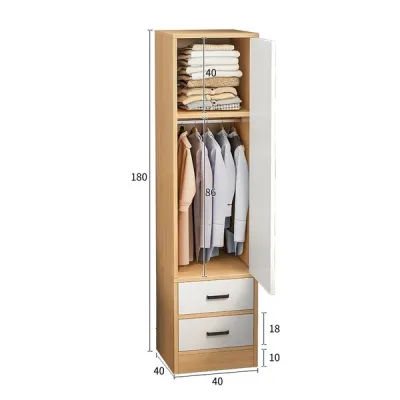
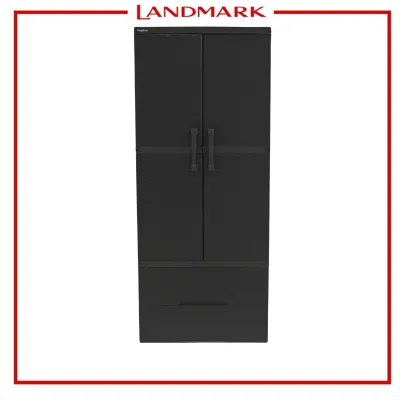
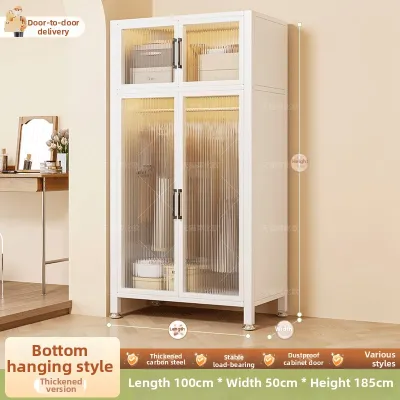
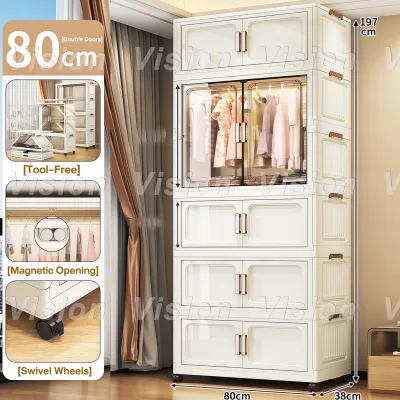
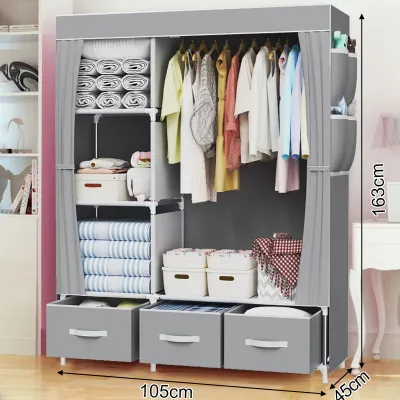
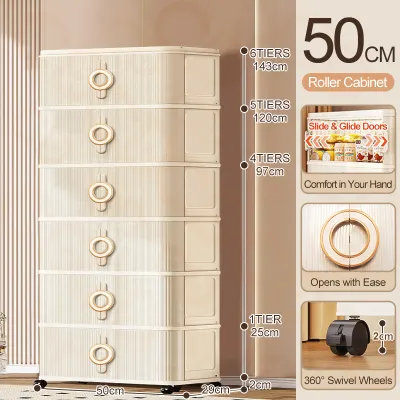
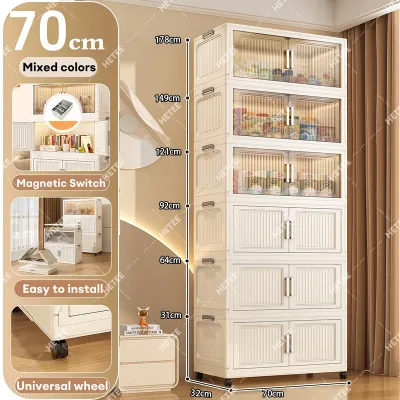
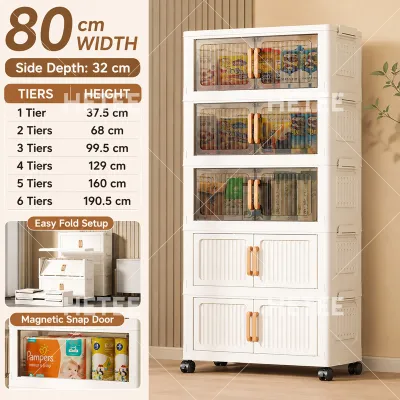
Prices are valid at publication and may change. Please refer to the product page for the latest price.
Identify any special storage requirements. Long garments like maxi dresses or formal wear need taller hanging sections, while watches, jewelry, or personal documents might require lockable drawers or secure compartments. Grouping these items beforehand ensures you look for a cabinet clothes layout that accommodates your specific lifestyle.
Step 2: Measure Your Available Bedroom Space
Measure the exact floor footprint where you plan to place the cabinet clothes unit. Use a steel tape measure to record the width and depth of the floor space, and measure the vertical distance from the floor to the ceiling. Be sure to account for baseboards, wall trim, and any sloping ceilings that might restrict the cabinet’s placement.

Check the delivery path from your home’s entrance to the bedroom. Measure the width and height of doorways, narrow hallways, stairwells, and elevator doors to ensure the flat-pack boxes or pre-assembled furniture can pass through safely. This step is especially crucial for high-rise condominiums or multi-story homes where tight corners can block delivery.
Account for necessary clearance in front of the cabinet. You must leave enough space for walking paths, adjacent furniture, and the full extension of drawers or swing-out doors to prevent daily obstruction. If your bed is close to the wardrobe area, you will need to choose a design that functions well within those tight spatial limits.
Step 3: Match Cabinet Types to Your Space and Storage Needs
Freestanding wardrobes offer excellent flexibility for dynamic layouts. They are highly suitable for renters or those who like to rearrange their bedrooms, as they can be moved to a new wall or a different home entirely. These units are widely available in various pre-built sizes, making them a convenient option for quick setup.
Sliding door cabinets are highly efficient for narrow bedrooms or tight spaces. Because the doors slide horizontally within the frame, they do not require any front clearance to open, leaving walking paths completely free. This design allows you to place the cabinet closer to your bed or other bedroom furniture without sacrificing accessibility.
Hinged door cabinets work well in larger bedrooms with ample floor space. They allow you to open all doors simultaneously for a full view of your wardrobe, though you must ensure there is enough room for the doors to swing open fully. This style also offers the advantage of utilizing the inside of the doors for hanging mirrors, belts, or tie racks.
Modular systems provide a customizable approach to maximize vertical space or fit irregular room layouts. These systems let you combine different shelving, hanging, and drawer units to match your specific storage profile. They are ideal for homeowners who want a semi-built-in look and the ability to expand their storage as their needs grow.
Step 4: Evaluate Internal Configurations and Materials
Look for cabinets with adjustable shelves and modular hanging rods. This flexibility allows you to reconfigure the interior layout as your wardrobe changes over time, such as adding more shelves for folded clothes or raising a rod for longer garments. Removable dividers and pull-out baskets can also enhance organization.
Review the manufacturer’s care instructions and product labels regarding moisture resistance and surface treatments. In humid environments, checking for protective laminates, sealed back panels, and proper finishes is crucial to prevent warping or mold. Avoid placing untreated wood or low-grade fiberboard in areas prone to dampness without verifying its protective coating.
Verify the hardware specifications and weight capacity limits for drawers, shelves, and hanging rods. High-quality hinges, smooth drawer runners, and sturdy support brackets ensure the cabinet remains stable and functional under daily use. Checking these specifications in the product manual helps prevent sagging shelves and misaligned doors over time.
Step 5: Final Decision and Purchasing Checklist
Before finalizing your purchase, cross-reference the cabinet’s exact finished dimensions with your measured bedroom space. Double-check that the unit will not block light switches, electrical outlets, air conditioning units, or windows. Ensuring a proper fit prevents the hassle of returning a heavy piece of furniture.
Confirm the assembly conditions of the cabinet. Determine if the product arrives flat-packed and requires self-assembly, what specific tools are needed, or if the retailer offers professional installation services. If you are assembling it yourself, ensure you have a helper and sufficient floor space to lay out the parts safely.
Review the retailer’s return policy, delivery terms, and structural warranty. Check whether delivery fees are calculated in ₱ and if assembly is included in the final price. Understanding these policies beforehand protects your investment in case of transit damage or if the cabinet does not fit your space as expected.
Frequently Asked Questions (FAQ)
How much clearance do I need for hinged cabinet doors?
Generally, you should allow at least 50 to 60 centimeters of clear space in front of a hinged door cabinet. This clearance accommodates the door’s outward swing and leaves enough room for you to stand and access your clothes comfortably. Always consult the specific product manual and ergonomic guidelines for exact door widths and recommended clearances.
Can I use a freestanding clothes cabinet in a room with high humidity?
Yes, but you must take specific precautions to protect the furniture and your clothing. Check the manufacturer’s environmental suitability labels and verify that the cabinet has a moisture-resistant surface treatment. Additionally, maintain proper room ventilation, leave a small gap between the cabinet and the wall, and use moisture absorbers inside the cabinet to prevent dampness.

Community discussion
Share your experience or ask a question. Comments are reviewed before publication.