
Finding the perfect balance in a compact living room often comes down to a single piece of furniture: the coffee table. In cozy urban apartments and modern condominiums, every square inch of floor space must justify its existence. Choosing a table that is too large can block traffic paths and make your living area feel like an obstacle course, while a table that is too small looks lost and fails to serve its practical purpose.
The ideal coffee table for a small space should measure approximately two-thirds of your sofa’s total length and stand at a height that aligns closely with your seat cushions. To keep the room functional, you must also maintain a clear walking clearance of about 30 to 45 centimeters between the table and surrounding furniture. By matching these proportions with a shape that complements your layout, you can create an inviting, open environment that feels spacious and highly organized.
Measure Your Space and Sofa First
Before browsing online catalogs or visiting local showrooms, you must establish the physical boundaries of your living room. The sofa serves as the anchor for the entire space, meaning its dimensions will dictate the maximum limits of your new coffee table. Measure your sofa’s overall length from armrest to armrest, the seat height from the floor to the top of the cushions, and the total depth to understand how far it projects into the room.
Products mentioned in this guide
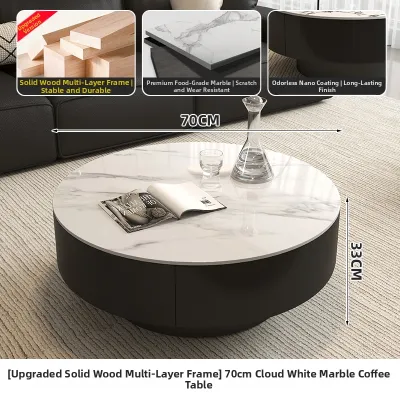
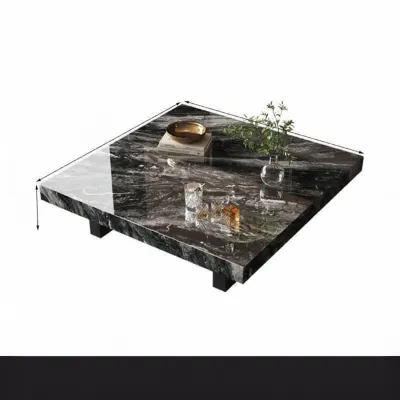
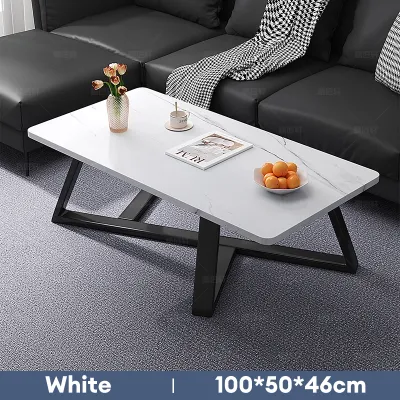
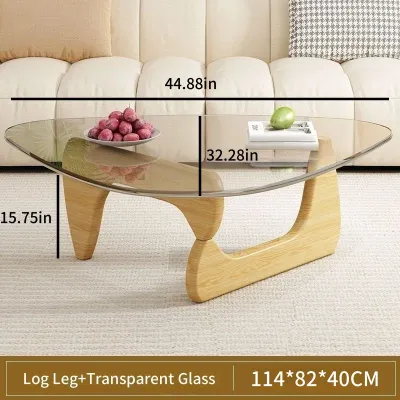
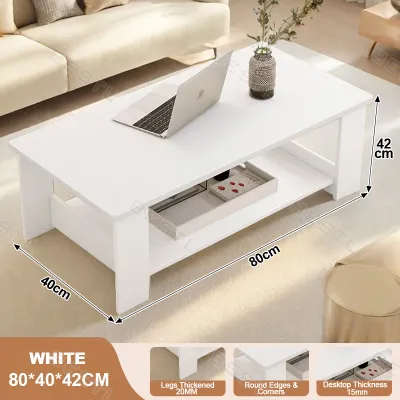
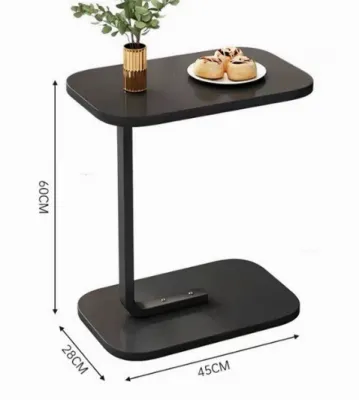
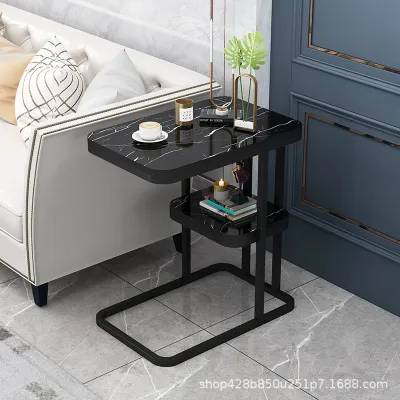
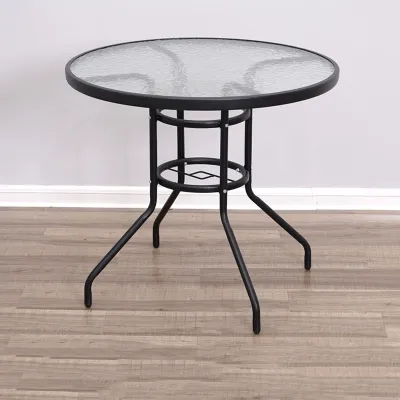
Prices are valid at publication and may change. Please refer to the product page for the latest price.
Next, map out the surrounding floor area to ensure comfortable movement. Use painter’s tape or newspaper to mock up potential table footprints on the floor. Walk around this template to ensure you can move naturally without bumping your shins, leaving at least 75 centimeters of clearance from walls or TV consoles.
Also consider delivery logistics, especially in high-rise condominiums with tight corners. Measure your front door, hallways, stairwells, and elevator dimensions. If you choose a solid, fully assembled table, it must fit through these passages safely. For homes with restricted access, flat-packed options assembled directly inside the room are often the safest choice.
Match the Coffee Table Dimensions to Your Sofa
Achieving visual harmony in a small room requires a strict adherence to scale and proportion. A coffee table that is too long will make your sofa look dwarfed, while a tiny table will look like an afterthought. The golden rule of living room design is to select a table that is roughly one-half to two-thirds of the total length of your sofa. For example, if your sofa measures 180 centimeters in length, your coffee table should ideally fall between 90 and 120 centimeters long to maintain a balanced look.

Height is another critical dimension that directly impacts both comfort and visual flow. Your coffee table should sit at a height that is level with, or up to 5 centimeters lower than, the top of your sofa’s seat cushions. A table that is too high disrupts the sightline across the room, making the space feel closed off, and makes reaching for a glass or remote control awkward. Conversely, a table that is too low requires you to bend down excessively, which can be uncomfortable for guests and daily use.
Finally, consider the depth of the table to preserve precious legroom in your primary seating area. In a compact layout, a deep table can push the walking path too close to your television console or opposite walls. Aim for a table depth that leaves a comfortable gap of 30 to 45 centimeters between the edge of the sofa cushion and the edge of the table. This spacing provides enough room to sit down, stretch your legs, and stand up easily, without placing your drinks out of comfortable reaching distance.
Select the Best Shape for a Compact Layout
The shape of your coffee table plays a major role in how traffic flows through a small living room. Round and oval coffee tables are exceptionally well-suited for tight spaces because they lack sharp corners. This absence of hard edges allows you to navigate narrow walkways smoothly, reducing the risk of painful bumps in the dark. Furthermore, the curved lines of a round table can soften the boxy, angular feel of standard rectangular condo layouts, making the entire room feel more organic and relaxed.
Rectangular and square tables have their own distinct advantages, particularly when paired with specific seating configurations. If you have a compact L-shaped sectional sofa, a rectangular table fits neatly into the open recess, maximizing the usable surface area within the sofa’s footprint. Square tables work beautifully in highly symmetrical, boxy rooms or when placed in the center of a tight grouping of two small armchairs. When opting for these shapes, look for models with rounded or chamfered corners to minimize the impact of sharp edges in high-traffic zones.
For ultimate flexibility in a multi-purpose living space, nesting or modular tables are an excellent alternative. These sets consist of two or three tables of graduating sizes that slide completely underneath one another when not in use. When you have guests over or need extra surface area for snacks, you can easily pull them out to create a tiered configuration. When you need open floor space for yoga, cleaning, or children’s play, simply tuck them back together to reclaim your floor area instantly.
Maximize Utility and Visual Space in Small Rooms
In a small living room, the visual weight of your furniture is just as important as its physical dimensions. Heavy, solid wood block tables can make a small room feel crowded because they block the view of the floor. To combat this, consider tables made from transparent materials such as tempered glass or clear acrylic. These materials allow light to pass through and keep the floor visible, creating an illusion of openness that makes the entire room feel larger than it actually is. When choosing glass, verify that the edges are polished and the glass is thick enough to handle daily use safely.
Another effective design strategy is to choose a coffee table with exposed, slender legs rather than a solid pedestal base. Tables with thin metal frames, tapered wooden legs, or hairpin legs elevate the tabletop off the ground, allowing you to see underneath the furniture. This open space beneath the table maintains a light, airy aesthetic and prevents the room from feeling cluttered. If you live in a humid tropical climate, check that metal legs have a rust-resistant powder coating and wooden legs are treated to withstand moisture.
To keep your small living room organized, look for coffee tables that offer integrated storage solutions without adding bulk. Tables with a lower open shelf, built-in drawers, or a lift-top mechanism allow you to stash away remote controls, magazines, coasters, and chargers. Keeping these daily essentials off the main tabletop surface prevents visual clutter, which is one of the fastest ways to make a small room feel cramped. Ensure that any drawers or sliding compartments operate smoothly and do not require extra clearance that blocks your walking paths when opened.
Common Sizing and Placement Mistakes to Avoid
One of the most frequent mistakes in small living room layouts is placing the coffee table too close to the sofa. While you want your drinks to be within arm’s reach, squeezing the table closer than 30 centimeters to the sofa cushions restricts legroom and makes sitting down a struggle. If you find yourself constantly knocking your knees against the table, it is a clear sign that the table is either too wide for the room or positioned incorrectly.
Another common error is choosing a table that is too tall relative to the surrounding seating. A tall table acts as a visual barrier, cutting the room in half and making the ceiling feel lower than it is. Always measure your sofa seat height before purchasing, and avoid any table that rises significantly above that line. Keeping the profile of your furniture low helps maintain an unobstructed view across the room, which naturally enhances the feeling of spaciousness.
Lastly, many homeowners ignore the relationship between the coffee table and the area rug beneath it. A small coffee table sitting on a massive rug can look disconnected and floating, while a large table on a tiny rug makes the entire arrangement look cramped. Ideally, your area rug should be large enough that the front legs of your sofa sit on top of it, and the coffee table should be centered on the rug with equal margins on all sides. This cohesive placement anchors the furniture grouping, creating a defined and harmonious living zone.

Community discussion
Share your experience or ask a question. Comments are reviewed before publication.