
Finding the perfect storage solution for your wardrobe involves more than just picking a style you like; it requires a precise understanding of your physical space. In the Philippines, where high humidity and seasonal moisture can cause traditional wooden drawers to warp, swell, or attract termites, durable plastic drawer systems like those from Cofta are highly favored. However, ensuring these units fit seamlessly inside your existing closet or wardrobe cabinet requires careful planning. To choose the right Cofta drawer size, you must measure your wardrobe’s true internal dimensions, account for hardware obstructions, and compare these figures directly with the manufacturer’s official specifications.
Assessing Your Wardrobe's Internal Dimensions
Before browsing online marketplaces or visiting a local home improvement store, you must establish a clear picture of your wardrobe’s interior. Many homeowners make the mistake of measuring only the outside of their cabinet, which leads to purchasing drawers that are far too large. To get an accurate measurement, open your wardrobe doors completely and focus solely on the usable space inside the cabinet walls.
Always measure the internal width, depth, and height at three distinct points: the top, the middle, and the bottom. Wooden and laminate wardrobes can bow or warp over time due to humidity or heavy loads, meaning the width at the top might be slightly different from the width at the bottom. If you find discrepancies between these three measurements, always use the smallest number as your guide to ensure the drawer unit will slide in without scraping the sides.
Products mentioned in this guide
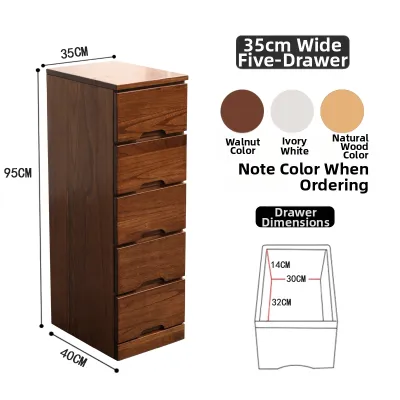
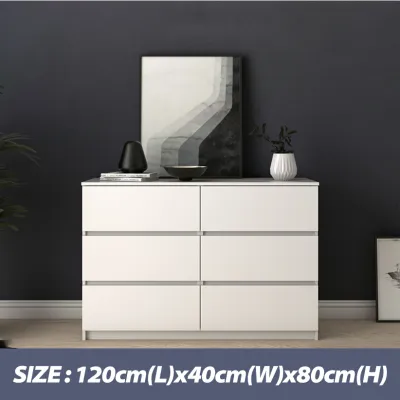
![LIVING [BIG SIZE] 3 Drawers Chest Storage Bedroom Furniture/Clothes Drawer/Drawer Chest](https://img.lazcdn.com/g/p/004c0c38f3b66adb7321ac4b088f9d38.jpg_400x400q80.jpg_.webp)
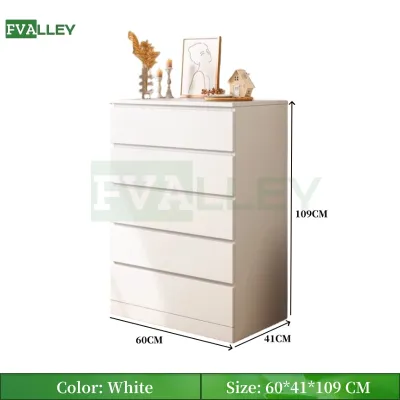
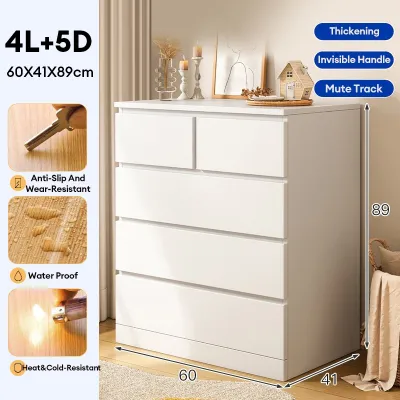
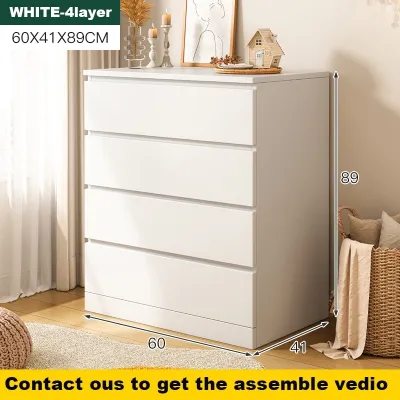
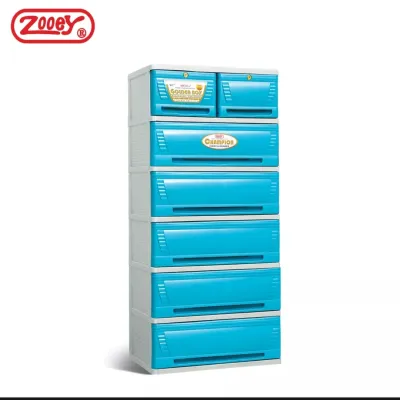
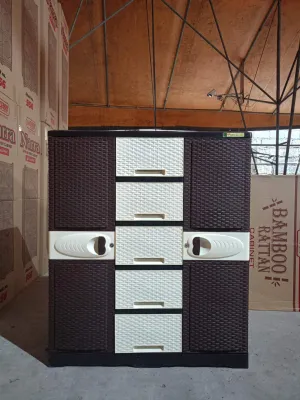
Prices are valid at publication and may change. Please refer to the product page for the latest price.
In addition to measuring the width and depth, it is highly beneficial to check if your wardrobe is level and plumb. If the cabinet leans slightly forward or to one side, a free-standing drawer unit placed inside might tilt, causing the drawers to slide open on their own or bind against the frame. Using a simple spirit level along the bottom shelf and side panels will help you identify if you need to make minor adjustments before installing your new drawers.
Next, identify and subtract any physical obstructions that project into the cabinet space. Hinges, door tracks, magnetic catches, hanging rods, and even the thickness of the back panel can significantly reduce your usable depth and width. For instance, heavy-duty cabinet hinges often protrude a few centimeters into the opening, which can completely block a drawer from pulling out if the unit is fitted too tightly against the side panel.
To keep your planning organized, record all of your measurements in a single, consistent unit of measurement, such as millimeters or centimeters. Mixing inches and centimeters during a quick measurement session is one of the most common causes of ordering errors. Write these numbers down on a dedicated sketch of your wardrobe interior so you can refer to them easily when comparing product specifications.
Matching Cofta Drawer Configurations to Your Space
Once you have your final internal dimensions, you can begin matching them to the available Cofta drawer configurations. These plastic drawer units come in various heights, widths, and depths, often designed as modular stacking systems or standalone multi-tier chests. Your goal is to select a configuration that maximizes your storage capacity while leaving enough breathing room for easy installation and daily use.

Start by comparing your measured internal width against the outer width of the drawer unit. Remember that the drawer frame itself requires a small amount of clearance on either side to prevent friction against the wardrobe walls. If you are planning to mount the drawers onto internal wooden supports or brackets, you must also factor in the thickness of those mounting materials.
Evaluating the depth of the drawer unit is equally critical for a clean, flush finish. The drawer front must sit deep enough inside the wardrobe so that the wardrobe doors can close completely without hitting the drawer handles or faces. If your wardrobe has a shallow profile, look for compact drawer models, and always verify that the drawer’s depth specification includes any protruding handles or decorative trim on the front.
In tropical climates, leaving a small gap of a few centimeters behind and around the drawer unit can also promote better air circulation. Stagnant air in closed closets can lead to musty odors and mildew on clothing, so a slightly smaller drawer configuration that allows air to flow is often more practical than a tight, wall-to-wall fit.
Vertical planning allows you to customize your storage based on the types of clothing you need to organize. If you are storing bulky items like bed linens, towels, or denim jeans, you will want to prioritize deeper drawer configurations. For smaller items like socks, undergarments, or accessories, a stack of shallower drawers is much more efficient and prevents items from getting lost in deep piles.
Never rely on generalized size categories like “medium” or “large” when purchasing your storage units. Different product lines within the same brand can have varying dimensions despite sharing similar names. Always consult the official Cofta specification sheet, product label, or authorized retailer guide to verify the exact millimeter measurements of the specific model you intend to buy.
Accounting for Clearance, Hardware, and Installation Limits
A successful wardrobe upgrade relies on smooth, unhindered movement, which is why clearance space is just as important as the dimensions of the drawer itself. When a drawer is fully loaded with clothes, the frame can flex slightly under the weight. Leaving a small margin of clearance at the top and sides of the drawer unit prevents it from binding or sticking when you pull it open.
The structural integrity of your wardrobe’s floor or base shelf must also be evaluated before installation. Plastic drawer units can become quite heavy when filled to capacity with folded garments. Ensure that the bottom panel of your wardrobe is level, sturdy, and fully supported by the cabinet frame or floor underneath to prevent sagging over time.
If you discover that your wardrobe floor is slightly uneven, you can use thin plastic or wooden shims to level the base of the drawer unit. This simple step ensures that the drawer tracks remain perfectly horizontal, preventing the drawers from rolling open unexpectedly or becoming difficult to close.
Door clearance is another critical factor that is easily overlooked during the planning phase. For wardrobes with hinged doors, the doors must be able to swing open wide enough so that they do not block the path of the extending drawers. If your wardrobe doors only open to a 90-degree angle, the thickness of the open door itself might obstruct the drawer path, requiring you to shift the drawer unit away from the hinge side.
Always consult the manufacturer’s official installation guidelines for any specific structural requirements or weight limits. If you plan to stack multiple drawer units on top of one another, check if the manufacturer recommends securing the units to the back wall of the wardrobe to prevent tipping. Using the correct fasteners and following the recommended weight distribution will keep your storage system safe and functional for years to come.
Common Sizing Mistakes and How to Avoid Them
One of the most frequent errors is measuring the exterior frame of the wardrobe instead of the internal cavity. Cabinet walls can be surprisingly thick, and decorative crown molding or baseboards can add several centimeters to the exterior dimensions without adding any actual storage space inside. Always place your measuring tape inside the cabinet walls to get the true usable dimensions.
Another common pitfall is ignoring the space consumed by sliding door tracks or internal partition walls. In wardrobes with sliding doors, the doors overlap when opened, which means at least half of the wardrobe opening is always blocked. If your drawer unit is wider than the open half of the wardrobe, you will not be able to pull the drawers out, even if the unit technically fits inside the overall cabinet width.
Do not assume that all plastic drawers share the same standard dimensions across different brands or product lines. A drawer unit from another manufacturer might have a completely different depth or width profile than a Cofta unit of a similar style. Always treat each product line as unique and verify the measurements against your specific wardrobe sketch before making a purchase.
Finally, remember to account for the swing radius of your wardrobe doors and any nearby bedroom furniture. If your wardrobe is placed close to a bed, nightstand, or bedroom door, ensure there is enough physical space in the room for both the wardrobe doors to open and the internal drawers to extend fully. Planning for these spatial relationships beforehand saves you the frustration of a drawer that hits your bed frame every time you try to reach your clothes.
Frequently Asked Questions (FAQ)
Can I install a Cofta drawer in a wardrobe with sliding doors?
Yes, you can install these drawers behind sliding doors, but you must pay extra attention to the door tracks and the overlap area. Measure the depth of the sliding door tracks to ensure the drawer unit sits far enough back to avoid scraping against the doors as they slide past. Additionally, the width of the drawer unit must be significantly narrower than the single open side of the wardrobe, ensuring the drawer can extend fully without hitting the overlapping door panel.
What should I do if my wardrobe interior is slightly narrower than the available drawer sizes?
If your wardrobe interior is too narrow for the standard drawer sizes you are considering, start by re-measuring the space to confirm your numbers and check if any internal wooden partitions or shelves can be removed or adjusted. If the space is still too tight, do not attempt to force or shave down the plastic drawer frame, as this can ruin its structural integrity. Instead, consult the manufacturer’s catalog for alternative narrow-profile models, or speak with a qualified carpenter to discuss modifying your wardrobe’s internal shelving to accommodate a different configuration.

Community discussion
Share your experience or ask a question. Comments are reviewed before publication.