
Living in a compact urban home often requires making smart, multi-functional design choices. When square footage is limited, traditional single-purpose furniture can quickly make a room feel cramped and cluttered. A convertible center table offers a practical solution by transforming to meet different needs throughout the day, serving as a coffee table, a work desk, or even a dining surface.
Choosing the right convertible center table for a small living room requires balancing space limitations with daily functional needs. The right choice depends on matching the table’s transformation mechanism and physical footprint to your specific layout, ensuring it operates smoothly without compromising stability or safety. By focusing on precise measurements, structural integrity, and material suitability, you can find a piece that maximizes your living area without sacrificing style or utility.
Assess Your Living Room Layout and Space Constraints
Before browsing online marketplaces or local furniture showrooms, you must establish the exact physical boundaries of your living room. Start by measuring the clearance between your sofa and the opposite wall or television console. For comfortable movement, a standard clearance of at least 30 to 45 centimeters is recommended when the table is in its closed, compact state. This ensures you can walk through the room naturally without bumping your shins.
Products mentioned in this guide
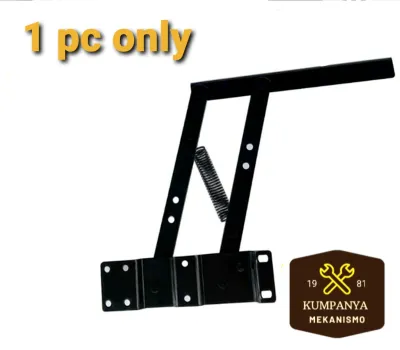
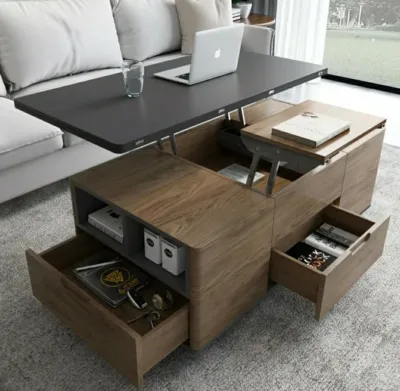
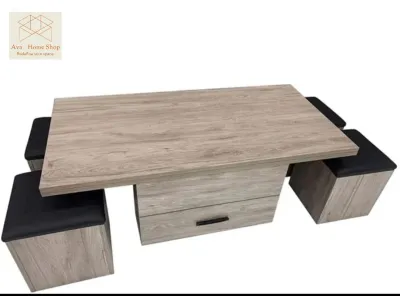
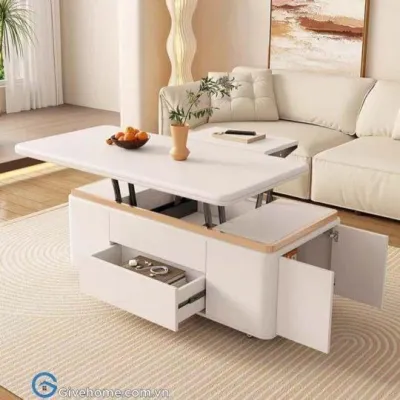
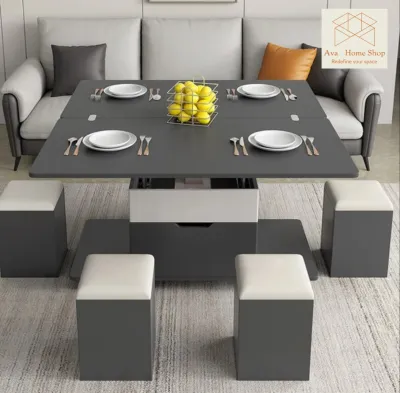
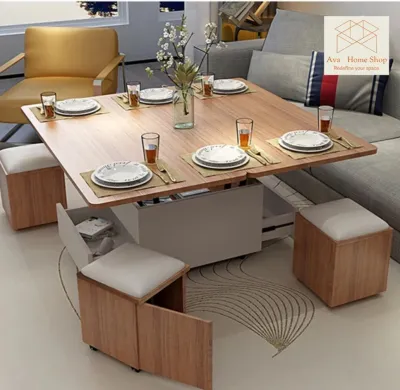

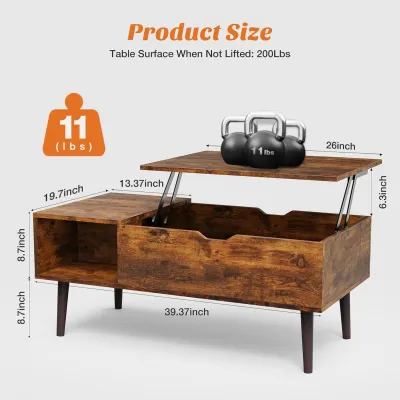
Prices are valid at publication and may change. Please refer to the product page for the latest price.
Next, calculate the extra space required when the table is fully expanded, lifted, or folded out. Many convertible tables extend upward and outward, shifting their footprint closer to the seating area. Use painter’s tape on your floor to map out both the collapsed and fully extended dimensions of the models you are considering. This visual guide helps you verify if the table will block walkways, hit other furniture, or crowd the room when transformed.
Do not overlook the logistics of getting the furniture into your home. Measure your doorways, narrow hallways, stairwells, and elevator cabins to ensure the packaged table can be delivered safely. In many high-rise residential buildings, tight corners and low elevator ceilings present significant delivery challenges. Confirming these dimensions beforehand prevents the frustration of purchasing a beautiful piece of furniture that cannot physically enter your living space.
Identify Your Primary Daily Functions
To avoid paying a premium for features you will rarely use, clarify how you intend to interact with the table on a daily basis. If your living room doubles as a home office, a lift-top mechanism is highly beneficial. This feature raises the tabletop to a comfortable desk height, allowing you to work on a laptop without straining your back or neck.

For those who frequently host guests or enjoy meals in front of the television, a table that expands into a full dining surface is ideal. Some designs feature fold-out leaves or rotating tops that double the surface area, accommodating extra dinner plates and serving dishes. Alternatively, if your primary challenge is managing clutter, prioritize models that incorporate hidden storage compartments, drawers, or lower shelving to keep remote controls, books, and chargers out of sight.
Evaluate how frequently you expect to transform the table. A mechanism that is operated multiple times a day requires a much higher level of durability than one used only for occasional weekend gatherings. By prioritizing your core daily activities over secondary aesthetic features, you can select a table that truly solves your small-space constraints rather than adding unnecessary complexity to your routine.
Evaluate Mechanisms and Structural Stability
The heart of any convertible center table is its transformation hardware. Common mechanism types include gas struts, hydraulic lifts, and mechanical spring hinges, each offering distinct operational characteristics. Gas struts and hydraulic lifts generally provide the smoothest, most controlled movement, preventing the tabletop from slamming down abruptly. Mechanical spring hinges are highly robust and durable, though they may require slightly more physical effort to operate.
When evaluating these mechanisms, pay close attention to the table’s base weight and overall anti-tip design. When a lift-top table is elevated, its center of gravity shifts forward and upward. If the base is too light or poorly balanced, applying downward pressure on the extended edge—such as leaning your elbows while typing—can cause the entire unit to tip over. Look for models with heavy, solid bases or wide leg configurations that anchor the table securely to the floor.
Always review the manufacturer’s specifications for maximum weight capacity, both when the table is closed and when it is fully extended. The weight limit for an extended top is typically much lower than its static, closed capacity. Additionally, check the warranty terms specifically regarding the moving parts and mechanical joints, as these components experience the most wear and tear over time.
Check Materials, Finishes, and Maintenance
In a small living room, furniture is subjected to frequent close-contact use, making material selection critical for long-term durability. Because convertible tables serve multiple purposes—from holding hot coffee mugs to supporting heavy laptops—the surface finish must be resilient. Rather than relying on broad material names, inspect product labels for specific protective treatments, such as scratch-resistant laminates, water-resistant sealants, or heat-resistant coatings.
In tropical climates where humidity levels fluctuate, engineered wood products like medium-density fiberboard (MDF) or particleboard must be fully sealed on all sides to prevent moisture absorption and warping. If you prefer solid wood, verify that it has been properly kiln-dried and treated to withstand local environmental conditions. Metal frames and legs should feature powder-coated finishes to guard against rust and corrosion over time.
Safety and comfort are equally important when navigating tight spaces. Inspect the edge treatments of the table, prioritizing rounded corners or bullnose edges over sharp, angular corners. This simple design detail significantly reduces the risk of painful bumps and bruises in high-traffic areas. Finally, confirm the daily care requirements to ensure they align with your lifestyle; a busy household will benefit from low-maintenance surfaces that can be easily wiped clean with a damp cloth.
Finalize Your Shortlist and Verify Before Buying
Before making your final purchase, compile a shortlist of your top choices and run them through a final verification process. Begin by reviewing the assembly requirements. Many convertible tables feature complex mechanical linkages that can be challenging to align correctly. Determine if the product arrives fully assembled, requires basic home assembly, or demands professional installation to ensure the warranty remains valid.
Next, confirm the retailer’s return policy and the availability of replacement parts. Because mechanical components can wear out or require adjustment over time, knowing you can easily source replacement springs, struts, or hinges provides valuable peace of mind. Avoid purchasing from sellers who do not offer clear after-sales support or structural warranties on moving parts.
As a final step, cross-reference the exact specifications of your shortlisted tables with your initial space measurements. Double-check that the fully extended height aligns comfortably with your sofa’s seat height, and verify once more that the open footprint leaves sufficient room for comfortable movement. Taking these final precautions ensures that your new convertible center table will integrate seamlessly into your small living room, delivering both style and practical utility for years to come.
Frequently Asked Questions (FAQ)
Are convertible center tables safe for homes with children or pets?
Convertible center tables can be safe for households with children or pets, provided you select models with specific safety features. Look for designs that incorporate slow-close hydraulic mechanisms or safety locks that prevent the tabletop from collapsing unexpectedly if bumped. It is also wise to check the manufacturer’s safety warnings regarding pinch points along the mechanical hinges. Keeping the table locked in its closed position when not in active use, and choosing rounded corners over sharp edges, will further minimize the risk of accidental injuries.
What factors affect the price of a convertible center table?
The price of a convertible center table in ₱ is primarily determined by the complexity of its transformation mechanism, the quality of the materials used, and the overall construction standards. High-quality gas struts and heavy-duty steel hinges naturally cost more than simple manual hinges, but they offer smoother operation and greater longevity. Solid wood construction and premium wood veneers also command a higher price compared to basic laminated particleboard. When planning your budget, it is generally wiser to invest in a robust, high-quality mechanism and a stable base rather than prioritizing purely cosmetic upgrades.

Community discussion
Share your experience or ask a question. Comments are reviewed before publication.