
Fitting a couch sofa into a 20 square meter condo living room requires a careful balance between seating comfort and physical movement. In a compact layout, every centimeter counts, and a sofa that is too large can quickly make the entire unit feel cramped and difficult to navigate. By understanding your space’s physical limits, choosing the right configuration, and maintaining proper clearance paths, you can create a comfortable, functional lounging area that feels open and inviting.
In many modern condominiums, the living room shares its footprint with the dining area and kitchen. This open-plan setup means that while the total living space might be 20 square meters, the actual area dedicated to your entertainment zone is often much smaller. Selecting the right furniture is not just about finding a style you like; it is about verifying dimensions, assessing delivery paths, and choosing designs that maximize floor space.
Measure Your Available Space and Clearances
Before browsing online marketplaces or visiting local showrooms, you must obtain precise measurements of your living area. Use a steel measuring tape to record the length and width of the specific wall or corner where you plan to place the couch sofa. Do not rely on visual estimates, as empty rooms often appear larger than they are, and furniture showrooms with high ceilings can make oversized sofas look deceptively compact.
Products mentioned in this guide
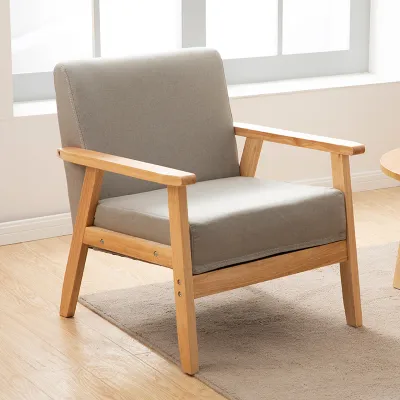
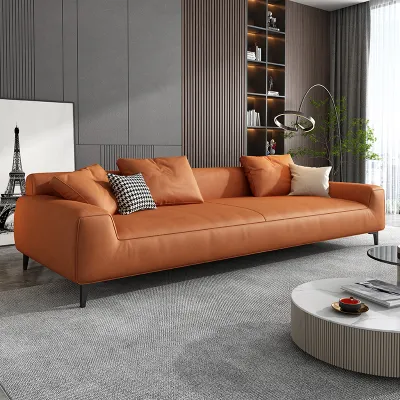
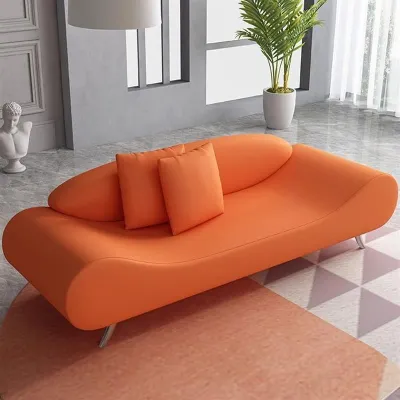
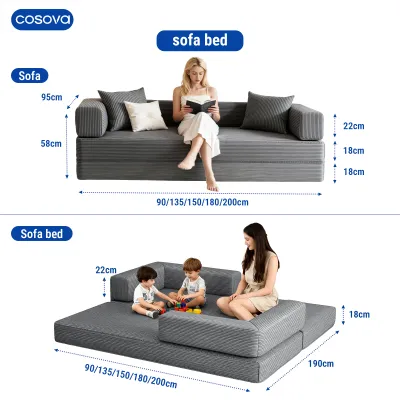
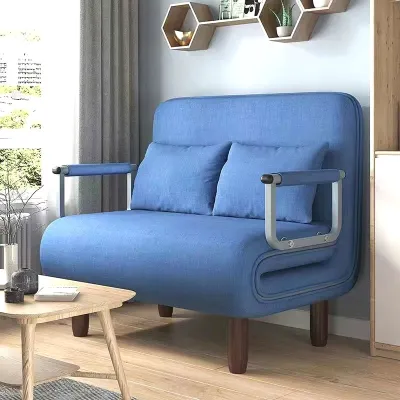
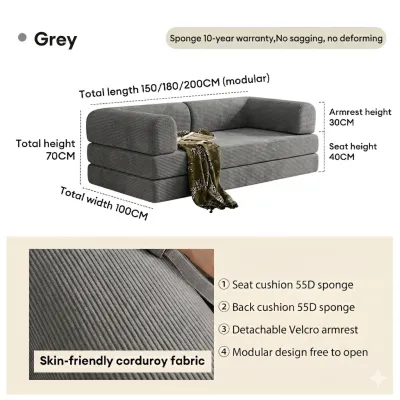
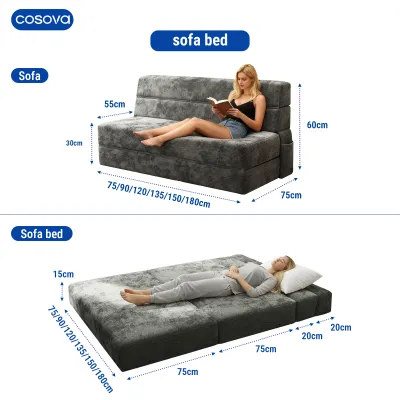
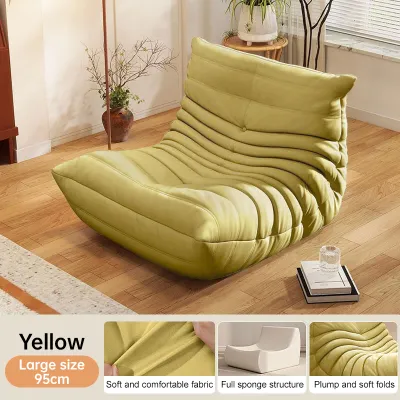
Prices are valid at publication and may change. Please refer to the product page for the latest price.
Map out how the sofa will interact with the rest of the room’s architectural features. Account for the swing of entry doors, balcony doors, and built-in cabinet doors to ensure they can open fully without hitting the furniture. If your condo has balcony access, leave a clear, unobstructed path to the door so you can enjoy the natural light and ventilation without squeezing past the edge of your seating.
Equally important is verifying the delivery path from the building’s entrance to your unit. Many condominium developments in the Philippines feature narrow service elevators, tight hallway corners, and standard door frames that cannot accommodate bulky, fully assembled furniture. Measure the height and width of your building’s elevator door, the clearance of stairwell turns, and your own front door frame to ensure your chosen sofa can actually be delivered and assembled inside your home.
Evaluate Sofa Types for a 20 Sqm Layout
Different sofa configurations offer distinct advantages depending on how you use your living room and how the space is shaped. A long, narrow room requires a different approach than a square layout, especially when trying to maintain a natural flow between the kitchen, dining table, and television. Evaluating how each sofa type utilizes floor space will help you narrow down your options.

When comparing configurations, consider how the piece interacts with the room’s natural light and traffic patterns. A bulky sofa can block light from low windows, while a poorly positioned sectional can force residents to take awkward detours just to cross the room. The goal is to find a balance where the sofa provides adequate seating without dominating the entire living zone.
Straight 2-Seater and 3-Seater Sofas
Standard linear sofas are highly efficient options for compact condo living rooms because they preserve open floor space and offer flexible placement. A classic two-seater sofa typically fits comfortably against most primary walls, leaving ample room on either side for side tables, floor lamps, or indoor plants. This setup keeps the center of the room open, making the entire living area feel more spacious.
If you require more seating, a compact three-seater sofa can work, but you must check the manufacturer’s exact width and depth specifications. Ensure the total length of the sofa does not extend past the edge of your designated living room wall or protrude into the entryway. Opting for a linear sofa with a shallow depth can also save valuable centimeters, keeping the walkway between the sofa and the television stand wide and comfortable.
L-Shaped and Sectional Sofas
An L-shaped couch sofa can be an excellent space-saving solution if you position it strategically in a corner. This placement utilizes what is often dead space, turning an empty corner into a cozy, high-capacity seating area. Additionally, an L-shaped sofa can act as a natural room divider, visually separating the living area from the dining space or kitchen without the need for physical walls.
However, you must exercise caution when selecting a sectional for a 20 square meter space. An oversized chaise lounge can easily block main walkways, restrict access to balcony doors, or disrupt the general traffic flow of the unit. Measure the length of the chaise carefully and ensure it leaves at least 75 centimeters of clear walking space between its foot and any facing furniture or walls.
Modular and Multi-Functional Sofas
Modular sofas offer exceptional flexibility for small-space living because they consist of individual sections that you can rearrange to suit different occasions. If you host guests, you can separate the pieces to create individual seating; when you want to relax, you can push them together to form a larger lounging surface. This adaptability makes modular designs highly practical for dynamic condo environments.
Multi-functional options, such as sofa beds, are also popular in compact condos but require careful planning. Before purchasing, verify the exact dimensions of the sofa bed when it is fully extended. You must ensure there is enough clearance in front of the sofa to unfold the mattress completely without hitting your TV console, coffee table, or other permanent fixtures.
Plan Walkways and Space-to-Furniture Ratios
To keep your 20 square meter living room functional, you must establish clear walkways and maintain proper space-to-furniture ratios. As a general rule of thumb, try to keep at least 30% to 40% of your living room’s floor area free of furniture. This prevents the room from feeling overcrowded and allows for comfortable movement throughout the day.
Maintain standard ergonomic clearances between your furniture pieces to avoid tight squeeze points. Leave a minimum of 30 to 45 centimeters of space between the front of your couch sofa and your coffee table, which provides enough legroom while keeping drinks and remotes within easy reach. For major walkways, such as the path leading from the entrance to the balcony, aim for a clearance of at least 75 to 90 centimeters.
Avoid the common temptation to push all your furniture flat against the walls in an attempt to save space. While this might seem logical, it can sometimes create an awkward, empty center and disrupt the natural flow of conversation. Floating a slim sofa slightly away from the wall, even by just a few centimeters, can create an illusion of depth and make the room feel more balanced.
Design Choices That Reduce Visual Clutter
Beyond physical dimensions, the visual weight of your furniture plays a significant role in how spacious your condo feels. Choosing a couch sofa with design elements that minimize visual clutter can make a small room feel significantly larger and more open. Look for styles that allow light and sightlines to pass through and around the furniture.
Select a sofa with exposed legs or a raised base rather than a solid, blocky design that sits flat on the floor. When you can see the floor extending underneath the sofa, the brain perceives more open space, which instantly lightens the room’s atmosphere. Slim, tapered wooden or metal legs are excellent choices that complement modern condo aesthetics.
Additionally, opt for low-profile backrests and slim, narrow armrests. Thick, rolled arms can add 20 to 30 centimeters of unnecessary width to a sofa without adding any actual seating space. Choosing light, neutral upholstery colors—such as beige, light gray, or cream—helps the sofa blend in with the walls, preventing it from looking like a heavy, dark obstacle in the middle of your home.
Common Sizing and Placement Mistakes
One of the most frequent mistakes condo owners make is purchasing a couch sofa based solely on how it looked in a spacious retail showroom. Showrooms have massive floor areas and high ceilings, which can make a large, deep sofa appear perfectly scaled. Always rely on your written measurements rather than your visual memory when shopping.
Another common error is ignoring the depth of the sofa. While buyers often focus on length, a sofa that is too deep will push your coffee table and television stand closer together, narrowing your main walkway to an uncomfortable degree. Always check the total depth of the piece, aiming for a shallower profile if your living room is narrow.
Finally, avoid overlooking the scale of your accompanying furniture. Pairing a large, plush sofa with a tiny, fragile side table or an oversized, heavy TV console creates a mismatched look that emphasizes the room’s limited size. Keep all furniture pieces in proportion to one another, opting for slim, lightweight designs that complement your sofa’s scale.
Frequently Asked Questions (FAQ)
Can a 3-seater couch sofa fit in a 20 sqm living room?
Yes, a 3-seater couch sofa can fit in a 20 square meter living room, but its suitability depends entirely on the room’s layout and the sofa’s exact dimensions. You must measure the designated wall length to ensure the sofa does not block doorways, light switches, or walkways. Opting for a 3-seater with slim armrests and a shallow depth will help maximize seating capacity while preserving precious floor space.
Is an L-shaped sofa better than a 2-seater for small condos?
An L-shaped sofa is not universally better; it depends on your specific layout and lifestyle. An L-shaped sofa is excellent for maximizing corner space and providing a built-in lounge chair, but it can easily block pathways if the chaise is too long. A 2-seater sofa offers much more placement flexibility and keeps walkways open, making it a safer choice for narrow or highly trafficked living areas.

Community discussion
Share your experience or ask a question. Comments are reviewed before publication.