
Integrating a shoe rack organizer with a cover into your closet system is an excellent way to protect your footwear from dust, light exposure, and ambient moisture. In the Philippines, where high relative humidity can accelerate the deterioration of shoe materials like polyurethane leather, canvas, and adhesive glues, choosing the right organizer requires looking beyond basic aesthetics. You must evaluate how the unit fits within your existing closet layout, how its materials handle local climate conditions, and how easily you can access your shoes during busy mornings. By focusing on physical measurements, material specifications, and ventilation, you can establish a reliable storage system that preserves your footwear collection.
Selecting a covered shoe rack is not a one-size-fits-all decision. The ideal choice depends heavily on whether you are placing the organizer inside a spacious walk-in closet, a standard reach-in wardrobe, or a compact cabinet. Because closet space is often shared with hanging clothes, folded garments, and other storage bins, your shoe organizer must maximize vertical space without obstructing daily movement. Understanding the structural differences between fabric-covered racks, hard plastic cabinets, and modular stackable boxes will help you make an informed decision that matches your home’s layout and your personal maintenance habits.
Key Factors for Choosing a Closet-Friendly Shoe Rack
Before browsing online marketplaces or visiting local furniture showrooms, you must accurately assess your available closet space. Start by measuring the internal width, depth, and height of the specific area where you plan to position the shoe rack. If you are placing the organizer beneath hanging clothes, measure the distance from the closet floor to the bottom of your longest hanging garments, such as dresses or trousers, to ensure the rack will not crush or wrinkle your clothes. Remember to account for the clearance needed to open the closet doors fully, especially if you have sliding doors that limit access to one side of the wardrobe at a time.
Products mentioned in this guide
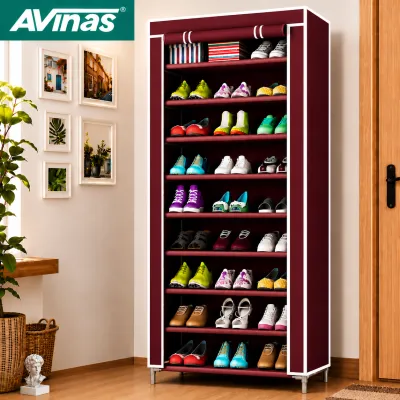
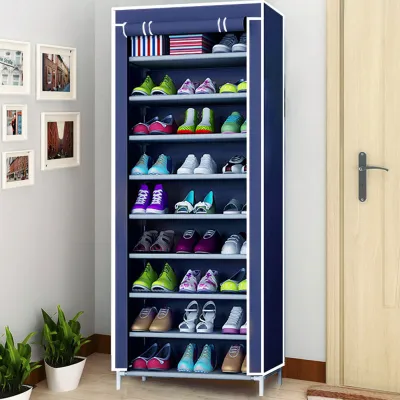
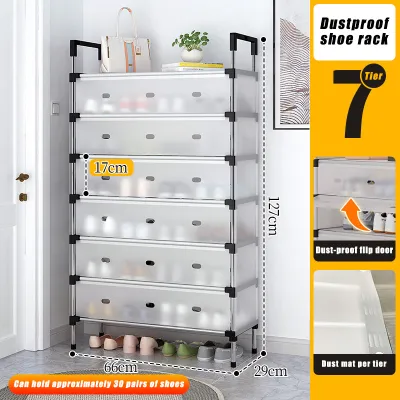
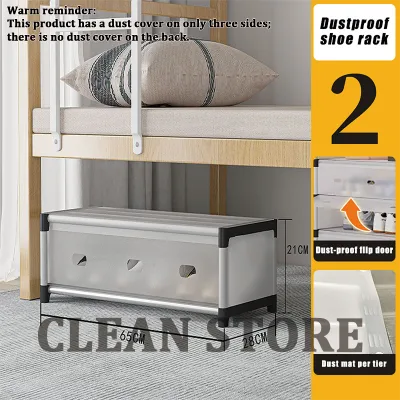
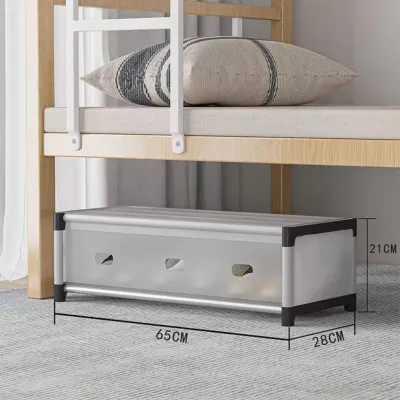
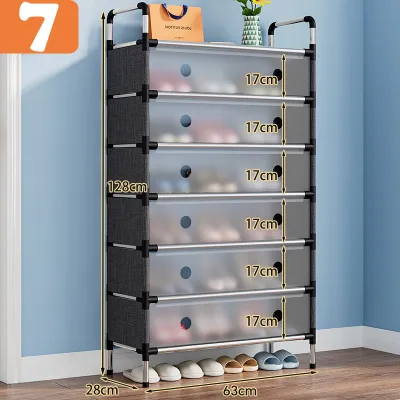
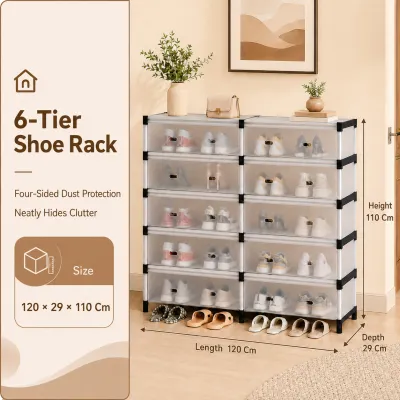
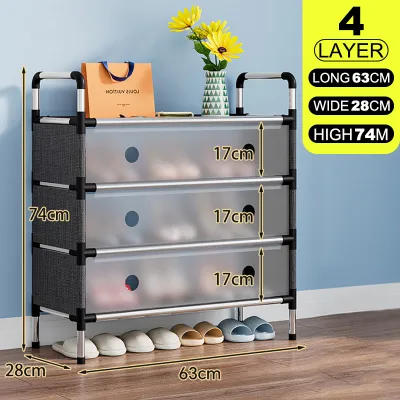
Prices are valid at publication and may change. Please refer to the product page for the latest price.
Next, compare your closet measurements against the external dimensions of the shoe organizer, keeping the cover design in mind. A fabric cover with zippered front panels requires space in front of the rack for you to stand, unzip, and roll up the fabric. If you choose a rack with rigid swing-out doors or drop-front acrylic panels, you must ensure there is enough depth in front of the unit for the doors to swing open completely without hitting the closet frame or other stored items. For tight spaces, sliding doors or individual drop-front boxes with magnetic closures often provide the most space-efficient access.
The types of footwear you own will dictate the internal configuration of the organizer. Standard flat shoes, sandals, and slippers typically require a shelf height of 15 to 18 centimeters, whereas high heels, mid-top sneakers, and ankle boots need 20 to 25 centimeters of vertical clearance. If you own tall boots, you will need even more space or a rack that features removable or adjustable shelves. Look for organizers that allow you to customize the height of individual tiers, giving you the flexibility to adapt the storage layout as your footwear collection changes over time.
Finally, consider how the cover design affects your daily routine and retrieval speed. If you wear different shoes every day, a highly transparent cover—such as clear acrylic doors or individual transparent boxes—allows you to locate the exact pair you want at a glance. On the other hand, if you prefer a minimalist, uniform look that hides visual clutter, an opaque fabric cover or solid plastic doors may be more appealing. However, opaque covers require you to remember where each pair is stored, which can add time to your morning routine if the system is not organized systematically.
Comparing Common Materials and Cover Types
The materials used in both the frame and the cover of your shoe organizer play a critical role in its longevity, especially under tropical climate conditions. For the structural frame, metal tubing is a popular choice due to its strength and lightweight nature. When evaluating metal frames, verify that the tubes feature a rust-resistant coating, such as powder coating or chrome plating, to prevent corrosion from humid air. If you prefer plastic frames, check the manufacturer’s specified weight limits to ensure the plastic joints and shelves will not sag or warp under the weight of heavier footwear like leather boots or thick-soled sneakers.

Wood and bamboo frames offer a warm, natural aesthetic that integrates beautifully with wooden closet interiors. However, because natural wood is susceptible to moisture absorption, mold, and mildew, you must verify that the surface has been treated with a moisture-resistant sealant, varnish, or polyurethane coating. Untreated wood can trap dampness from wet shoes or humid air, leading to unpleasant odors and structural degradation. Regular maintenance, such as wiping down the wooden frame with a dry cloth and ensuring proper closet ventilation, is essential to keep natural materials in top condition.
When comparing cover materials, non-woven fabric is a common and budget-friendly option. Non-woven fabric covers are lightweight, highly breathable, and often feature zippered doors that roll up and secure with velcro straps. While the breathability of fabric helps prevent moisture buildup, these covers can accumulate dust over time and may require periodic washing or vacuuming. Additionally, low-quality non-woven fabrics can become brittle and tear if exposed to direct sunlight or rough handling, so look for high-density fabrics with reinforced stitching around the zippers and seams.
Hard acrylic doors and individual stackable plastic boxes offer a more rigid, durable alternative to fabric covers. Acrylic panels are easy to wipe clean with a damp cloth, highly resistant to moisture, and provide excellent visibility. Individual stackable boxes are particularly versatile because they allow you to build a custom storage configuration that fits odd-shaped closet corners or under-utilized shelves. When choosing stackable boxes, look for designs with secure interlocking tabs or grooves that prevent the column from shifting or sliding when you open a single compartment.
Evaluating Stability and Assembly Requirements
A shoe rack organizer must remain stable and secure, especially when fully loaded with multiple pairs of shoes. During your evaluation, pay close attention to the assembly conditions and the quality of the connecting joints. Many budget-friendly shoe racks utilize plastic three-way or four-way connectors to join the metal tubes. Ensure these connectors are made from high-density plastic that resists cracking under pressure. If the assembly requires tools, check if they are included in the package or if you will need your own screwdriver or mallet to secure the joints tightly.
Stability is a primary safety concern, particularly for tall, narrow shoe racks that have a high center of gravity. To verify stability, assess the width of the base relative to the overall height of the unit. A rack that is tall and shallow is more prone to tipping forward when you pull a shoe from the top shelf. To mitigate this risk, look for units that include wall-anchoring straps or anti-tip hardware, especially if you plan to place the rack on a carpeted closet floor or a slightly uneven surface. As a general rule of thumb, always place your heaviest footwear on the bottom shelves to keep the center of gravity as low as possible.
Furthermore, ensure that the placement of the shoe rack does not damage your closet’s internal surfaces. Sharp metal edges or rough plastic feet can scratch wooden floors or snag delicate carpets. Look for organizers that feature smooth plastic end caps, rubber feet, or protective pads on the bottom of the frame. If you are installing a heavy wooden or metal unit, placing a thin protective mat underneath the rack can prevent permanent scuffs and indentations on your closet floor while providing an extra layer of defense against dirt and moisture.
Building Your Shortlist: Features to Verify Before Buying
To ensure a successful purchase, compile a shortlist of potential shoe organizers and verify their specifications systematically. Start by double-checking the exact dimensions provided by the seller on the product listing. Be cautious of listings that only show package dimensions rather than the fully assembled product dimensions. If you are buying a fabric-covered rack, confirm whether the listed depth includes the thickness of the cover and any external pockets, as even a few extra centimeters can prevent your closet doors from closing properly.
Next, spend time reviewing user feedback on e-commerce platforms, focusing specifically on long-term durability rather than initial impressions. Look for reviews that mention how well the zippers function after several months of daily use, whether the fabric cover tears easily at the seams, and if the shelves sag under the weight of heavier shoes. Pay attention to comments regarding the ease of assembly; if multiple buyers report that the instructions are confusing or that the pieces do not fit together tightly, it may be wise to consider an alternative model.
Finally, check the seller’s return and exchange policies before finalizing your order. Because minor measurement discrepancies or manufacturing defects can occur, having a clear return policy protects you if the organizer arrives with missing assembly parts, cracked plastic connectors, or a damaged cover. Choosing a seller that offers a straightforward exchange process ensures you can quickly resolve any issues and complete your closet organization project without unnecessary delays or extra expenses.
Frequently Asked Questions (FAQ)
Do covered shoe racks cause moisture or odor buildup?
Yes, covered shoe racks can trap moisture and odors if they lack proper ventilation, particularly in humid tropical climates. When damp shoes are placed inside an airtight or poorly ventilated enclosure, the trapped moisture creates an ideal environment for mold, mildew, and bacteria to grow, leading to unpleasant smells and potential damage to your footwear. To prevent this, choose covers made from breathable materials like non-woven fabric, or look for plastic and acrylic organizers that feature built-in ventilation holes or slatted doors that promote continuous airflow.
To maintain a fresh storage environment, always allow your shoes to air out and dry completely for a few hours after wearing them before placing them back inside the covered rack. You can also place moisture-absorbing products, such as silica gel packets, activated charcoal bags, or small dehumidifier tubs, inside the organizer to help control humidity levels. Regularly opening the closet doors and the shoe rack cover during dry days will also encourage air circulation and keep your footwear collection dry and odor-free.
Can I stack covered shoe organizers inside a closet?
You can stack covered shoe organizers inside a closet, but only if the specific units are explicitly designed and labeled as stackable by the manufacturer. Attempting to stack standard shoe racks that lack interlocking mechanisms can result in an unstable structure that is highly prone to tipping over, potentially damaging your shoes or causing injury. Stackable units, such as modular plastic shoe boxes, typically feature matching grooves, pegs, or magnetic interlocking systems that secure each box to the one below it.
When building a vertical stack, always adhere to the manufacturer’s recommended maximum stacking height and weight limits. Overloading a vertical column can cause the bottom units to buckle or warp under the cumulative weight. To maximize safety, place the heaviest shoes in the lowest boxes of the stack to maintain a stable base, and consider securing the top of the stack to the closet wall with anti-tip straps if the column exceeds chest height.

Community discussion
Share your experience or ask a question. Comments are reviewed before publication.