
Finding the right display rack for your home office in the Philippines requires balancing spatial limits, weight requirements, and the local climate. Whether you are setting up a dedicated study room in a suburban house or carving out a workspace in a Manila condominium, the right shelving unit keeps your reference materials organized and your creative inspiration on display. The best choice depends on whether you need to maximize floor space, support heavy academic volumes, or maintain a breezy, open aesthetic that resists tropical humidity.
Selecting a display rack is not just about matching your desk; it is about understanding how your storage choices affect your daily workflow. A well-chosen rack keeps your frequently used tools within arm’s reach while elevating the visual appeal of your professional background during virtual meetings. By evaluating your room’s structural layout and your specific storage habits, you can find a style that serves as a highly functional asset to your daily productivity.
Assessing Your Home Office Space and Needs
Before browsing online marketplaces or visiting local furniture showrooms, you must accurately assess the physical boundaries of your study room. Begin by measuring the available floor space and the height of the walls where you plan to position the unit. It is equally important to measure the clearances of your doorways, stairwells, and elevator doors, especially if you are ordering a large, fully assembled freestanding unit that must navigate tight condo corridors.
Products mentioned in this guide
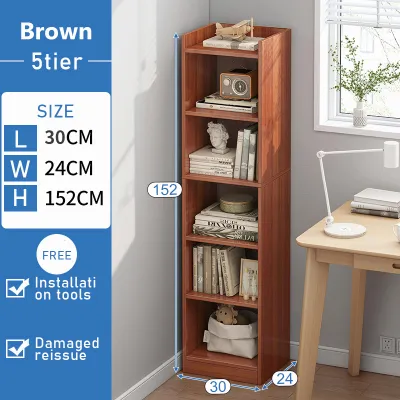
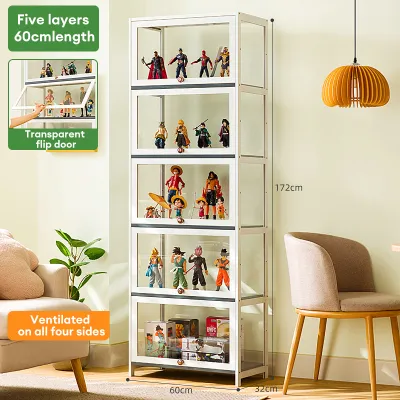
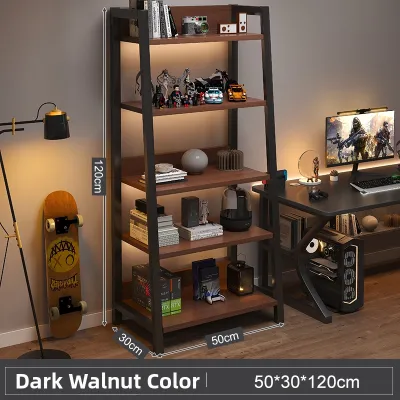
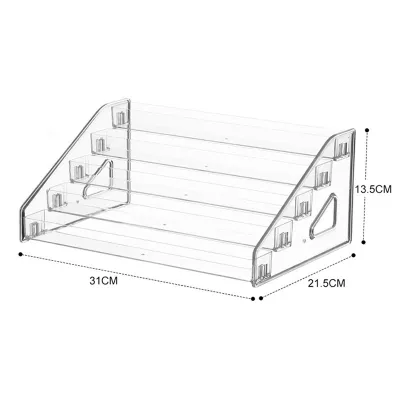
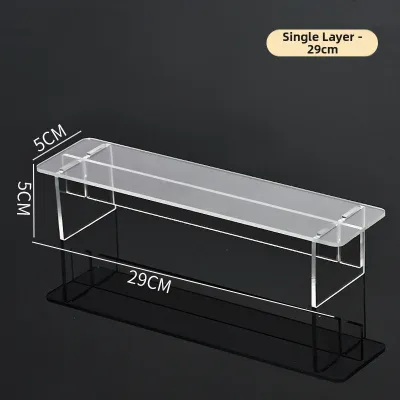

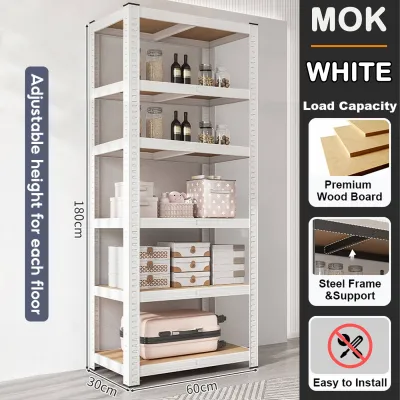
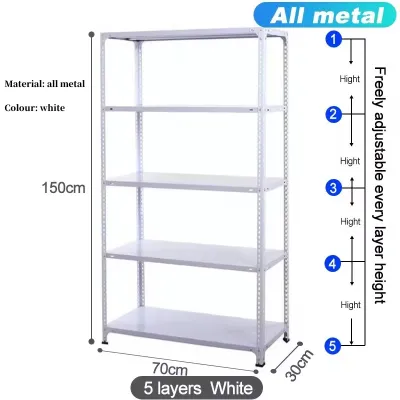
Prices are valid at publication and may change. Please refer to the product page for the latest price.
Next, estimate the total weight of the items you intend to store. Heavy textbooks, legal binders, and printer paper require robust structural support, whereas decorative plants, framed certificates, and lightweight tech accessories can sit on more delicate shelving. Overloading a rack that is not rated for heavy capacity can lead to sagging shelves or structural failure over time.
Finally, consider how the display rack will integrate with your existing study room furniture and lighting. A tall, solid bookcase might block natural light from your window, making your workspace feel cramped and dark. Think about how air flows through the room as well; in tropical climates, keeping furniture slightly away from walls helps prevent stagnant air pockets that encourage mold growth behind large wooden structures.
Comparing Display Rack Styles for Study Rooms
Different display rack designs offer distinct advantages depending on your room size, rental status, and organizational habits. Understanding the structural differences between wall-mounted, freestanding, and open shelving units allows you to narrow down the options that align with your workspace goals.

Wall-Mounted and Floating Shelves
Wall-mounted display racks and floating shelves are excellent solutions for compact home offices where floor space is at a premium. By lifting your storage off the ground, these shelves keep your study room feeling open and airy while utilizing vertical space that would otherwise go unused. They are ideal for displaying lightweight decorative items, small potted plants, or a curated selection of reference books directly above your desk.
Before choosing this style, you must verify your wall construction and locate the appropriate structural supports. In many Philippine homes, walls are constructed from concrete or hollow blocks, which require a masonry drill bit and heavy-duty wall plugs (commonly referred to as tox screws) for a secure installation. If your office has drywall partitions, you must locate the wooden or metal studs behind the plaster to anchor the brackets safely, as drywall alone cannot support the weight of loaded shelves.
Keep in mind that wall-mounted shelves have strict weight capacity limits compared to floor-standing units. They also represent a relatively permanent modification to your room; drilling multiple holes into the walls may not be permitted if you are renting your home. If you anticipate moving your office layout around in the future, the fixed nature of wall-mounted shelving can limit your rearranging options.
Freestanding and Tiered Bookcases
Freestanding bookcases and tiered display racks offer unmatched storage capacity and structural stability for heavy-duty study needs. These standalone units are perfect for housing extensive book collections, heavy binders, and office equipment like printers or scanners. Because they rest directly on the floor, they distribute weight more evenly and can handle significantly heavier loads than wall-mounted alternatives.
One of the main advantages of freestanding units is their versatility in room layouts. You can place them against a wall or use them as functional room dividers to separate your workspace from a bedroom or living area. This is particularly useful for hybrid workers who need to establish a clear visual boundary between their professional and personal lives within a shared room.
However, freestanding units do consume valuable floor space and can introduce visual bulk to smaller rooms. To prevent a tall bookcase from dominating the space, look for designs with tiered or tapered profiles that get shallower toward the top. Additionally, you must always check the manufacturer’s specifications regarding stability and ensure you install the included anti-tip hardware to secure the unit to the wall, preventing accidental tipping.
Open Shelving Units
Open shelving units feature a minimalist frame with shelves that are accessible from both the front and sides, creating a modern and uncluttered look. This style is highly favored by professionals who need quick, unobstructed access to reference materials, project folders, and daily office supplies. The open design also allows natural light to pass through, keeping your study room bright and visually spacious.
While open shelving is highly aesthetic, it does require a commitment to regular maintenance. Without cabinet doors or solid back panels, dust can accumulate quickly on your books and decor, especially if you prefer to work with open windows to let in the breeze. You will also need to keep your shelves organized and styled, as messy piles of paper and loose cables will be fully visible and can quickly make your office look chaotic.
When evaluating open shelving, pay close attention to the structural details. Check the thickness of the shelves and the strength of the support frame to ensure they will not bow under weight. Look for units that offer adjustable shelf heights, which give you the flexibility to accommodate taller items like oversized design portfolios, storage baskets, or vertical file organizers as your workflow changes.
Key Selection Criteria and Safety Checks
When shopping for a display rack, always prioritize safety and material durability over aesthetics alone. Begin by reviewing the product labels and manufacturer specifications to identify the maximum load limits for each individual shelf, as well as the overall weight capacity of the entire unit. Never assume a shelf can hold heavy items just because it looks sturdy; engineered wood and thin metal frames have specific limits that must be respected to prevent bending or collapse.
In the humid climate of the Philippines, material finishes and surface treatments are critical factors in determining how well your furniture will wear over time. If you are considering engineered wood, such as particle board or medium-density fiberboard (MDF), check that all edges are fully sealed with high-quality PVC edge banding to prevent moisture from penetrating and causing the wood to swell or warp. For metal frames, verify that the surface has a durable powder-coated or rust-resistant finish to protect it from tropical humidity.
Finally, evaluate the assembly requirements before making your purchase. Many display racks sold online arrive flat-packed and require self-assembly. Check if the package includes all necessary hardware, clear instructions, and the required tools, or if you will need to provide your own screwdriver, hammer, or drill. For exceptionally tall, heavy, or complex shelving units, consider hiring a professional assembly service to ensure the structure is built safely and anchored securely to your wall.
Matching Rack Styles to Specific Workflows
To make your final decision, align the style of the display rack with your daily professional routines and the specific demands of your job. If you are a heavy reader, researcher, or legal professional, your primary need is high-capacity, reliable storage. Prioritize deep, reinforced freestanding bookcases with high weight tolerances and adjustable shelves that can easily accommodate heavy law books, academic journals, and thick ring binders.
For creative professionals, designers, and minimalists, a home office should inspire focus and innovation. In this scenario, wall-mounted floating shelves or sleek tiered displays work beautifully to showcase design objects, art books, and green plants while keeping your main desk surface completely clear of clutter. This setup allows you to surround yourself with visual inspiration without sacrificing valuable physical workspace.
If you are a hybrid corporate worker or manage a dynamic home business, a modular open shelving unit offers the perfect balance of flexibility. You can use the open shelves to display items that look professional on video calls, while integrating decorative storage boxes or baskets on the lower shelves to conceal messy cables, chargers, and sensitive documents. This hybrid approach keeps your workspace looking organized, professional, and ready for any daily task.
Frequently Asked Questions (FAQ)
How do I prevent a freestanding display rack from tipping over? (FAQ)
To prevent a freestanding display rack from tipping, always install the anti-tip safety kit or wall-anchoring brackets provided by the manufacturer. If your home office has concrete walls, use a masonry drill to insert plastic wall plugs (tox) before securing the screws through the bracket. For drywall, ensure the anchoring screws are driven directly into the wooden or metal studs rather than the plaster alone. Additionally, always place your heaviest books, storage boxes, and equipment on the bottom shelves to lower the unit’s center of gravity and improve overall stability.
Can I use a display rack designed for living rooms in my home office? (FAQ)
Yes, you can use a living room display rack in your home office, provided you verify its dimensions and load capacity first. Living room shelves are often designed for lightweight decorative items and may have shallower shelf depths or wider vertical gaps that do not align well with standard office binders, folders, or textbooks. Before repurposing or purchasing a living room unit, measure your office materials to ensure they will fit comfortably without hanging over the edges, and check the manufacturer’s weight specifications to confirm the shelves can safely support your study materials.

Community discussion
Share your experience or ask a question. Comments are reviewed before publication.