
Finding the perfect display table for a compact Philippine condo living room requires balancing functional surface area with open floor space. To keep your layout comfortable and easy to navigate, the ideal display table should have a length of roughly one-half to two-thirds of your sofa’s total length, a height that sits within one to two inches of your sofa cushion, and a clearance boundary of at least 30 to 45 centimeters on all sides. In tight high-rise units where every square meter counts, choosing the wrong dimensions can quickly turn a stylish living room into a cramped obstacle course. By focusing on precise measurements, proportional scaling, and smart multi-functional designs, you can elevate your home’s aesthetic while maintaining a breezy, open flow.
Measure Your Space and Traffic Flow Before Buying
Before browsing online marketplaces or visiting local showrooms, you must establish the physical boundaries of your living room. Start by measuring the exact distance between the front edge of your sofa and the opposite wall, which is typically where your television console or main walkway is located. In typical Philippine condo layouts, this central zone is highly active, often serving as the primary path to the kitchen, dining area, or balcony.
To ensure smooth movement, map out the clearance required for daily activities. A primary walking path requires a wider clearance to accommodate two people passing or carrying groceries, while secondary paths can be slightly narrower. You must also account for the swing radius of nearby doors, balcony access entryways, and any low drawers or cabinets in your TV console. Open every door and drawer fully, then measure the remaining open floor space to find your absolute maximum table footprint.
Products mentioned in this guide
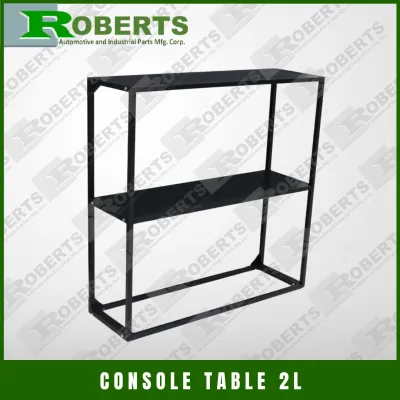
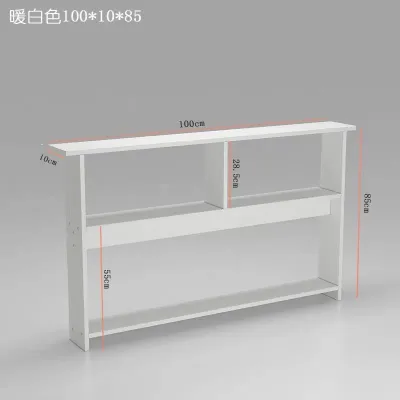
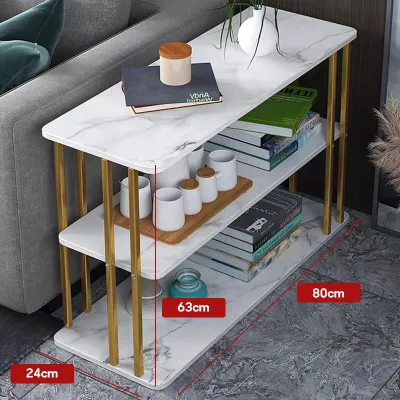
Prices are valid at publication and may change. Please refer to the product page for the latest price.
Existing furniture pieces also dictate your display table’s limits. If you have a deep sectional sofa, the table must be positioned to allow comfortable access to all seating sections without blocking the corners. If you plan to use an area rug, the display table should sit comfortably within its borders, leaving enough rug border visible to anchor the room visually. Taking these physical constraints into account prevents you from purchasing a piece that looks perfect in a spacious showroom but suffocates your actual home.
Match Table Proportions to Your Sofa and Room Size
Achieving visual balance in a small living room is a matter of careful proportion. The length of your display table should always be scaled to your seating. A table that is too long makes the sofa look small and crowded, while a table that is too short looks lost and serves little functional purpose. Aiming for a table length that is approximately half to two-thirds of your sofa’s seating cushion width creates a balanced, intentional look.

Height alignment is equally critical for both comfort and sightlines. Ideally, the top surface of your display table should be level with or slightly lower than the top of your sofa’s seat cushions. This alignment allows you to set down a glass of water, a book, or a remote control naturally without straining your arm. It also keeps the visual plane low, which helps the ceiling feel higher and the entire room feel more expansive.
The depth and visual weight of the table can dramatically alter how spacious your condo feels. Deep, solid wooden block tables tend to dominate a room and block light, making narrow spaces feel even smaller. Instead, look for shallower depths and materials that allow light to pass through. Glass-topped tables, open metal frames, or tables with slender, tapered legs create an illusion of openness by keeping the floor underneath visible.
Maximize Utility with Space-Saving and Multifunctional Designs
When floor space is at a premium, your furniture must work twice as hard. Multi-functional and space-saving designs allow you to enjoy the convenience of a display table without committing to a permanent, bulky footprint. Nesting tables are an excellent solution for compact condos, as they feature two or three tables of graduating sizes that slide completely underneath one another when not in use. You can easily pull them out when hosting guests or enjoying a casual meal, then tuck them away to reclaim your floor space.
Another highly efficient option is the C-table, named for its distinct C-shaped frame. These tables are designed to slide over the arm or seat of your sofa, placing the surface directly in front of you while the base tucks neatly underneath the furniture. This design completely eliminates the need for dedicated floor space in front of the sofa, making it ideal for narrow layouts where a traditional coffee table would block the walkway entirely.
Storage-focused display tables also help keep clutter at bay, which is essential for maintaining a sense of spaciousness in a small condo. Look for designs that incorporate hidden compartments, drawers, or lower open shelving. These features provide a dedicated home for daily essentials like remote controls, coasters, reading materials, and chargers, keeping the top surface clean and organized. Lightweight or wheeled designs further enhance flexibility, allowing you to roll the table out of the way easily when you need extra space for home workouts or cleaning.
Avoid Common Sizing and Clearance Mistakes
One of the most common mistakes condo owners make is choosing a display table that is too deep. While a wide, square table might offer plenty of surface area, it often forces you to squeeze past it or shimmy sideways just to sit down. Always prioritize walking clearance over table depth; a narrow, rectangular table or an oval design is almost always a safer choice for tight layouts.
Another frequent error is ignoring how the table interacts with your area rug. If your display table is too large, it can push the boundaries of the rug, making the entire seating arrangement look disjointed and cramped. Ensure there is a balanced margin of rug visible around all sides of the table to anchor the space properly.
Finally, never overlook the logistics of delivery and assembly. Many condo dwellers purchase beautiful, solid-piece tables only to find they cannot fit inside the building’s passenger elevator, navigate the tight turns of the stairwell, or pass through the front door frame. Before finalizing your purchase, measure the height, width, and depth of your condo’s elevator door and entryways. Opting for flat-packed furniture that can be assembled directly inside your living room is often the safest way to avoid delivery day disasters.
Frequently Asked Questions (FAQ)
Are Round Display Tables Better for Small Condo Layouts?
Yes, round or oval display tables are highly advantageous for compact condo layouts. Because they lack sharp corners, they naturally improve traffic flow, allowing you to navigate around them smoothly without the risk of painful bumps. This makes them particularly suitable for households with active children or elderly family members. Visually, the curved edges of a round table help soften the rigid, boxy lines common in small condo units, creating a more relaxed and inviting atmosphere while maximizing usable floor space.
What Is the Ideal Distance Between the Sofa and the Table?
The ideal distance between the front of your sofa and the edge of your display table is between 30 and 45 centimeters. This range provides comfortable legroom for sitting and standing while keeping the table surface within easy arm’s reach. If your sofa features manual recliners, pull-out footrests, or if the space between the sofa and the TV serves as a primary walkway, you should increase this clearance toward the higher end of the range to prevent any physical obstruction.

Community discussion
Share your experience or ask a question. Comments are reviewed before publication.