
Finding the perfect durabox storage for clothes requires balancing your wardrobe’s physical limits with the actual dimensions of the storage containers. To ensure a seamless fit, you must measure the exact internal width, depth, and height of your shelves, subtract clearances for hardware like hinges and sliding tracks, and compare these figures against the external dimensions of the boxes rather than their advertised volume. Selecting the right size prevents wasted space, keeps your garments protected from tropical humidity and dust, and ensures your wardrobe doors close completely.
Measure Your Wardrobe Shelves Accurately
Before purchasing any plastic storage organizers, you must capture the precise internal dimensions of your wardrobe. Do not rely on the external measurements of the wardrobe cabinet itself, as the wood panels, backboards, and frames reduce the actual usable space inside. Use a metal measuring tape for accuracy, as fabric tapes can stretch over time and lead to incorrect readings.
Measure the width, depth, and height of each shelf at three distinct points: the front, the middle, and the back. Wardrobe panels, especially in older wooden closets or budget-friendly particle board units, can bow or warp over time due to weight and high humidity. Taking multiple measurements ensures you base your purchase on the narrowest dimension, preventing a tight squeeze that could scratch your wardrobe’s interior finish.
Products mentioned in this guide
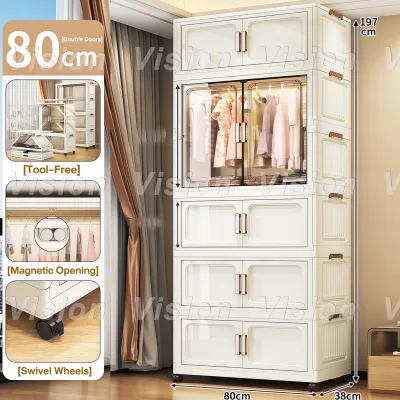
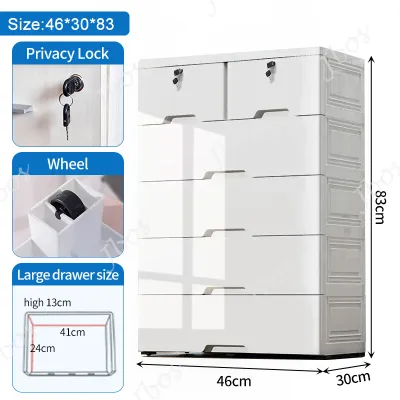
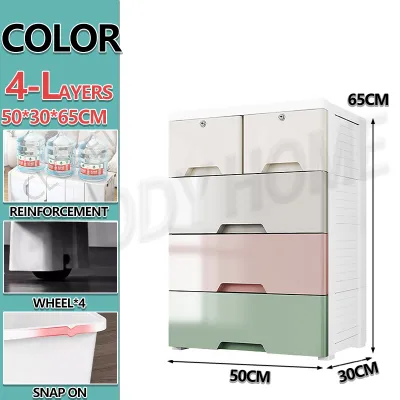
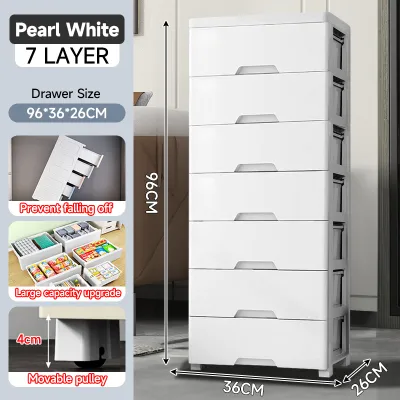
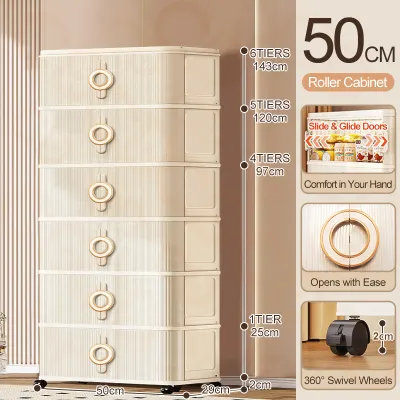
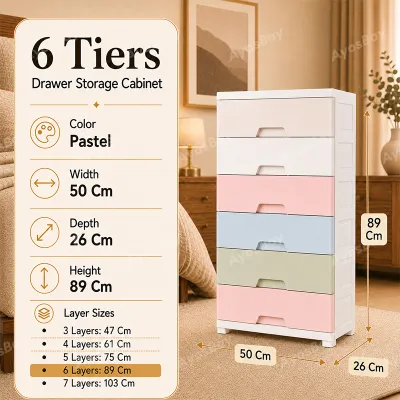
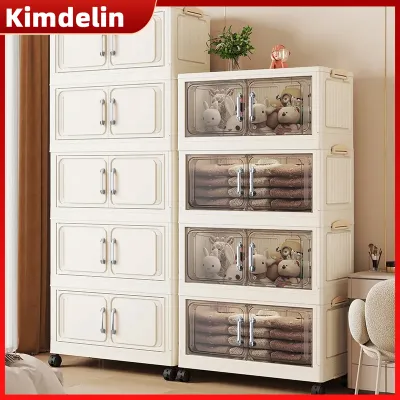
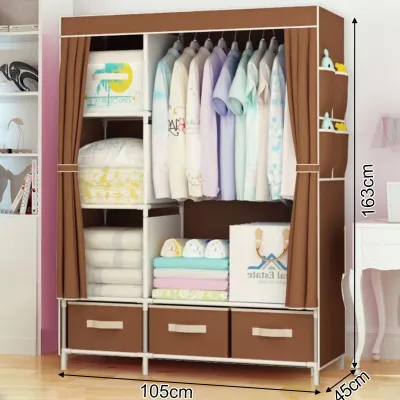
Prices are valid at publication and may change. Please refer to the product page for the latest price.
Next, identify any physical obstructions within the wardrobe cavity. Many modern closets feature soft-close hinges, sliding door tracks, magnetic catches, or internal LED lighting fixtures that protrude into the shelf space. If your wardrobe has sliding doors, measure the shelf depth from the back panel to the innermost track, not the outer edge of the cabinet. For hinged doors, measure the clearance when the door is fully open, as the hinge mechanism often cuts into the usable width by a few centimeters.
Finally, evaluate the vertical clearance between shelves. You need enough overhead space to comfortably lift a box upward and slide it out. If a shelf has a vertical clearance of exactly 30 centimeters, a box that is 29 centimeters tall will be nearly impossible to remove without scraping your knuckles or the shelf above. Aim for a comfortable margin that allows easy daily access to your stored clothes.
Decode Durabox Labels and Calculate Clearances
When browsing online marketplaces or local home department stores, you will often see storage boxes categorized by capacity in liters or generic labels like “medium” or “large.” These labels can be highly misleading when you are trying to fit boxes into tight wardrobe shelves. Always look for the detailed product specifications that list the actual external dimensions in centimeters, including the lid, handles, and any protruding latches.

The external dimensions of a storage box are almost always larger than its internal usable space due to the thickness of the plastic, reinforced rims, and lid designs. Conversely, the lid often flares outward, making the top of the box wider and deeper than the base. When planning your shelf layout, always use the maximum external dimensions—typically measured at the widest points of the lid or handles—to ensure the box will actually slide onto the shelf.
To maintain a functional wardrobe, you must plan for operational clearances around each box. Leave at least two to three centimeters of empty space on either side of the box so you can easily slide your hands in to grip the handles. For vertical clearance, a gap of three to five centimeters between the top of the box lid and the shelf above is ideal. This space allows you to tilt the box slightly when pulling it out, which is especially helpful on higher shelves.
Depth clearance is equally critical for a clean, organized look. The total depth of the Durabox, including any front handles or lid latches, must be less than the usable depth of your shelf. If the box extends even a half-centimeter past the shelf edge, it can prevent hinged doors from latching or cause sliding doors to derail or jam. A safe rule of thumb is to choose a box depth that is at least two centimeters shallower than your shelf depth.
Plan Your Shelf Layout to Maximize Space
Optimizing your wardrobe storage is an exercise in spatial planning. Instead of buying a single massive container, combining different sizes of durabox storage for clothes can help you utilize every cubic centimeter of your shelving. Start by mapping out your shelf width. If your shelf is 90 centimeters wide, you might fit two 40-centimeter-wide boxes side-by-side, leaving a comfortable ten-centimeter gap for easy handling and air circulation, which is vital for preventing musty odors in humid tropical climates.
Vertical stacking is another highly effective way to maximize space, especially on tall shelves. When stacking plastic storage boxes, always check the manufacturer’s guidelines regarding weight limits and structural stability. Identical boxes from the same product line are typically designed to nest securely, with the base of the top box fitting into a recessed groove on the lid of the bottom box. Avoid stacking boxes too high; a stack of two or three boxes is generally the limit for safe, daily retrieval.
To make the most of your layout, assign specific box sizes to different types of clothing. Deep, high-capacity boxes are excellent for bulky, seasonal items that you do not need to access daily, such as thick blankets, winter wear used for travel, or extra bed linens. Place these heavier, larger boxes on the bottom shelves or the very top of the wardrobe. For daily wear, such as t-shirts, shorts, and undergarments, opt for shallower, medium-sized boxes placed at eye level. Shallower boxes prevent clothes from getting buried at the bottom, reducing the need to rummage and mess up your folding.
If you have adjustable shelves, take the time to reposition them to match your chosen box heights. Adjusting a shelf so that it sits just a few centimeters above your stacked boxes eliminates wasted vertical space and allows you to add an extra shelf tier elsewhere in the wardrobe for shoes, bags, or accessories.
Common Sizing and Fit Mistakes to Avoid
One of the most frequent mistakes when organizing a wardrobe is forgetting to account for the door swing. Hinged wardrobe doors do not always open past a 90-degree angle, meaning the door panel itself might partially block the shelf opening even when fully open. If you select a box that spans the entire width of the shelf opening, you will not be able to pull it straight out because the open door will block its path. Always measure the clear opening width with the doors fully open.
Another common pitfall is assuming that all shelves within a single wardrobe cabinet are identical. In many mass-produced wardrobes, the top and bottom shelves may have different depths or heights due to structural backing, plinths, or decorative crown moldings. Always measure each individual shelf tier separately before purchasing multiple boxes. A box that fits perfectly on the middle shelf might be too deep for the top shelf due to a recessed back panel.
Finally, watch out for shelves with a raised front lip or decorative wooden trim. Some wardrobes feature a front lip designed to prevent items from sliding off, or a face frame that makes the shelf opening smaller than the actual internal height of the shelf. If you only measure the internal height behind the lip, you may buy a box that fits inside the shelf but cannot pass through the front opening. Always measure the smallest clearance point of the opening to ensure smooth entry and exit.
Frequently Asked Questions (FAQ)
Can I stack different Durabox sizes on top of each other?
Stacking different sizes of plastic storage boxes is generally not recommended unless the manufacturer has explicitly designed them with interlocking features. For safe stacking, the base of the upper box must align perfectly with the lid grooves of the lower box to prevent sliding or tipping. If you must mix sizes, always place the larger, wider, and heavier box at the bottom to create a stable foundation, and limit the stack to two tiers to avoid overloading the lower lid.
What should I do if my shelf depth is shallower than standard boxes?
If your wardrobe shelves are exceptionally shallow, look for specialized slim-profile or half-depth plastic containers designed for narrow closets. If you must use a standard box that overhangs slightly, ensure the overhang does not exceed two centimeters and does not interfere with the wardrobe doors. The center of gravity must remain firmly on the shelf to prevent the box from tipping forward when you open the lid or pull it out. Alternatively, consider removing the wardrobe doors entirely to accommodate the deeper boxes, turning your closet into an open shelving system.

Community discussion
Share your experience or ask a question. Comments are reviewed before publication.