
Selecting the ideal plastic storage box for your wardrobe requires a careful balance between your closet’s physical dimensions and your daily storage habits. In the Philippines, where seasonal humidity and dust can quickly affect fabrics, choosing the right organizer size is not just about neatness—it is also about protecting your garments. By matching the physical footprint of your Durabox containers to your specific wardrobe type, you can maximize every square inch of storage space while keeping your clothes fresh and easily accessible.
To achieve a seamless fit, you must look beyond the general aesthetic of your closet and focus on precise measurements. Whether you are dealing with a compact freestanding cabinet or a spacious walk-in closet, the key is to evaluate the internal clearance, shelf load capacities, and door mechanisms. Taking these factors into account prevents common storage headaches, such as doors that will not close fully or heavy boxes that bow your shelves over time.
Measure Your Wardrobe Space and Shelf Dimensions
Before purchasing any storage containers, you must obtain the exact usable dimensions of your wardrobe’s interior. Relying on the manufacturer’s external product dimensions is a common misstep, as these figures include the thickness of the outer panels, decorative moldings, and baseboards. To get accurate internal measurements, always use a rigid steel tape measure rather than a flexible sewing tape, which can easily sag and lead to incorrect readings.
Products mentioned in this guide
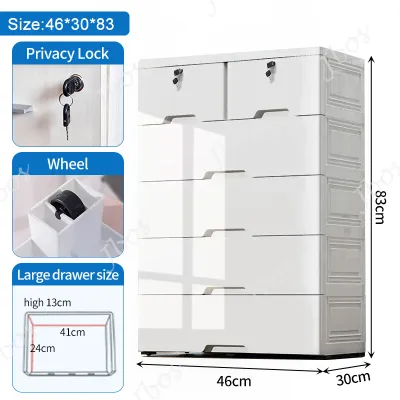
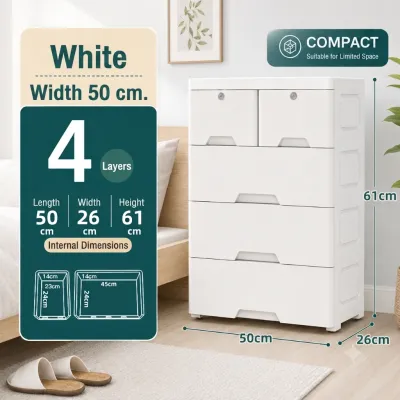
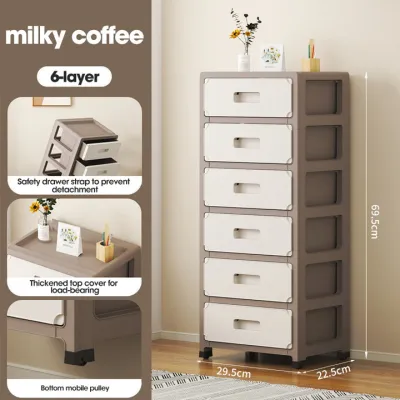
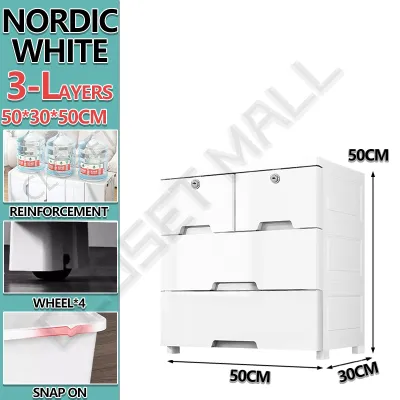
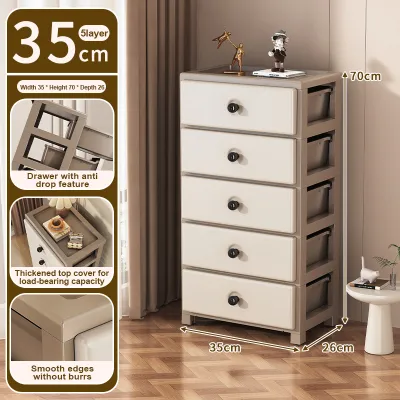
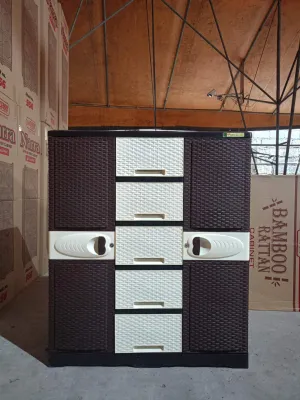
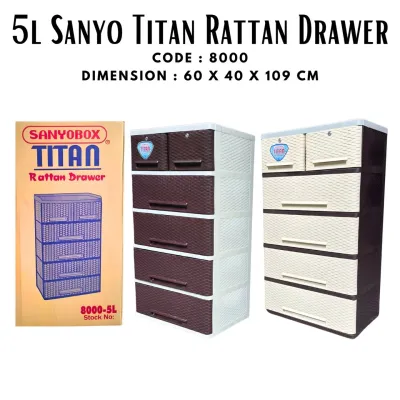
Prices are valid at publication and may change. Please refer to the product page for the latest price.
Begin by measuring the internal width of each shelf compartment from the inner face of the left wall to the inner face of the right wall. Next, measure the usable depth from the back panel of the wardrobe to the inside edge of the front frame or door track. Finally, measure the vertical height of each individual compartment from the surface of the shelf to the underside of the panel directly above it. Record these numbers clearly, labeling each compartment if your wardrobe has an asymmetrical layout.
As you measure, look closely for physical obstructions that could reduce the actual usable space inside the cabinet. Door hinges, especially large concealed European-style hinges, often protrude several centimeters into the compartment and can block a wide box from sliding in or out. Similarly, drawer slides, wardrobe hanging poles, internal lighting fixtures, and support brackets can significantly limit your vertical or horizontal clearance. Deduct the space occupied by these components from your final measurements to establish your true maximum box dimensions.
It is equally important to measure the clearance of the wardrobe doors and the entryways leading into the room. A large, fully loaded storage box might fit perfectly on an open shelf, but you must be able to maneuver it through the door opening during setup or daily use. For wardrobes with hinged doors, measure the clear opening width when the doors are fully extended to ensure the box can pass through without scraping the frame. For sliding doors, measure the maximum opening width on one side, keeping in mind that sliding panels always overlap and restrict access to a portion of the wardrobe at any given time.
Match Durabox Sizes to Your Wardrobe Configuration
Once you have recorded your precise internal measurements, you can begin matching standard storage box footprints to your wardrobe’s structural layout. Different wardrobe configurations—such as enclosed freestanding units or open walk-in closets—demand distinct approaches to box depth, height, and stacking limits. Selecting the right dimensions ensures that you utilize your vertical space efficiently without compromising the structural integrity of your furniture.

Built-in and Freestanding Wardrobes
Enclosed built-in and freestanding wardrobes require a highly disciplined approach to box selection due to their fixed boundaries and limited door clearance. When browsing for storage boxes, prioritize depths that leave at least two to three centimeters of free space behind the closed wardrobe doors. This small gap prevents the front of the box from pressing against the doors, which can cause sliding doors to jump their tracks or prevent hinged doors from latching properly.
Vertical space optimization is crucial in these wardrobes, as fixed shelves often leave large, underutilized gaps above your folded clothes. Choose stackable plastic boxes that allow you to utilize this vertical height safely, but ensure the combined height of the stacked boxes leaves enough clearance at the top for easy removal. Avoid stacking boxes so high that they block access to hanging clothes on adjacent poles or interfere with upper storage compartments.
Additionally, you must verify that the width of each box allows for smooth extraction without scraping against the side walls or adjacent compartments. If a shelf compartment is sixty centimeters wide, opting for a single fifty-eight-centimeter box or two twenty-eight-centimeter boxes side-by-side will provide the necessary lateral clearance. This prevents friction damage to both the plastic container and the delicate wood veneer or laminate finish of your wardrobe interior.
Walk-in Closets
Walk-in closets offer much greater flexibility, allowing you to utilize larger storage formats and open configurations without the constraints of door hinges or tight enclosures. In these open-shelving environments, you can select larger capacity boxes that maximize the deep shelving units typical of custom closet designs. Because you do not have to worry about door clearance, you can focus entirely on organizing your items by frequency of use and weight.
When planning your layout, place heavier, high-capacity boxes on floor-level shelves or the lower sections of your open organizer units. This keeps the center of gravity low, ensuring the stability of your shelving system while making it much safer to lift heavy items like bedding or winter wear. Reserve the highest shelves for lightweight, seasonal items stored in medium-sized boxes that are easy to lift overhead without straining your back or shoulders.
To maintain a clean, organized aesthetic in an open walk-in closet, use uniform box sizes and colors across your visible storage zones. This visual consistency reduces visual clutter, making the entire space feel larger and more organized. Uniform sizing also simplifies inventory checks, as you can easily label the front of each box and know exactly how much storage capacity is available in each section of your closet.
Verify Clearance, Weight Capacity, and Accessibility
A successful wardrobe organization system relies on more than just a tight fit; it requires daily usability and safety. When placing plastic storage boxes on your shelves, always leave adequate finger clearance around the sides and top of each container. A gap of at least three to five centimeters allows you to comfortably grip, pull, and lift the boxes without pinching your fingers or scraping your knuckles against the wardrobe frame.
Before loading your boxes with heavy items, check the wardrobe manufacturer’s weight limits for each individual shelf. Standard particleboard or medium-density fiberboard (MDF) shelves can sag or even collapse if subjected to excessive weight over time. If you plan to store heavy items like books, shoes, or thick denim jeans, distribute the weight across multiple smaller boxes rather than concentrating it in one large, heavy container. This even distribution helps preserve the structural integrity of your shelves and prevents permanent warping.
Accessibility should dictate where each box is placed within your wardrobe. Frequently used items, such as daily wear, undergarments, and accessories, should be kept in boxes positioned between waist and shoulder height for effortless daily access. Keep less frequently used items, such as holiday decorations or travel gear, in the lowest or highest compartments. Never place heavy, oversized boxes on high shelves, as retrieving them can be highly unstable and increases the risk of accidental drops or injury.
In the tropical climate of the Philippines, air circulation is another critical factor to consider when arranging your wardrobe storage. Leaving a small gap of a few centimeters between the back of the storage boxes and the wardrobe’s rear panel allows air to flow more freely. This simple step helps prevent the buildup of stagnant, humid air, which can lead to musty odors, mildew, and mold growth on both your clothes and the wooden surfaces of your wardrobe.
Avoid Common Sizing and Placement Mistakes
One of the most frequent mistakes when organizing a wardrobe is purchasing storage boxes based solely on the external dimensions of the furniture. This almost always results in boxes that are too large to fit inside, as it ignores the thickness of the wardrobe walls, back panels, and door frames. Always measure the internal clearance of the specific shelf or compartment where the box will sit, rather than relying on the overall footprint of the wardrobe cabinet.
Another common error is overloading shelves with multiple large-capacity boxes without considering the structural limits of the furniture. While plastic storage boxes are excellent for organizing, filling them to capacity with heavy items can put immense stress on shelf supports and dowels. Regularly inspect your shelves for any signs of bowing or cracking, and consider reinforcing them or redistributing the load if you notice any structural deflection.
Finally, do not ignore the physical space required for your wardrobe doors to operate smoothly. Sliding doors, bi-fold doors, and overlapping door mechanisms all require specific clearances to function without obstruction. A box that is even slightly too deep can prevent a sliding door from closing completely, leaving your clothes exposed to dust and pests while putting constant pressure on the door tracks. Always double-check that your chosen box depth allows all doors to open and close fully and freely.
Frequently Asked Questions (FAQ)
Can I use Durabox on glass wardrobe shelves?
Yes, you can use plastic storage boxes on glass wardrobe shelves, but you must take extra precautions to ensure safety. First, check the glass thickness and the manufacturer’s official weight ratings to confirm the shelf can support the combined weight of the box and its contents. Tempered glass shelves are sturdy but can shatter if subjected to concentrated point loads or excessive weight.
To protect the glass and improve stability, place a non-slip, cushioned shelf liner beneath the plastic box. The liner helps distribute the weight of the box more evenly across the glass surface and prevents the hard plastic bottom from scratching or sliding on the smooth glass. If you notice any signs of stress, flexing, or chipping on the glass shelf, remove the storage box immediately and consult the wardrobe manufacturer or a qualified furniture professional.
How do I clean a Durabox without removing everything from the wardrobe?
You can easily perform routine maintenance on your plastic storage boxes without completely unloading your wardrobe. For quick cleaning, use a soft, damp microfiber cloth lightly moistened with a mild, non-abrasive soapy water solution. Avoid harsh chemical cleaners, bleach, or abrasive scrubbing pads, as these can degrade the plastic material and damage the surrounding wood or laminate finishes of your wardrobe.
Wipe down the exterior surfaces, handles, and accessible outer edges of the box while it remains securely on the shelf. If you need to clean the inside edges, gently slide the box forward slightly to access the interior rim without fully removing it. However, if you detect any signs of moisture, musty odors, or mold, it is strictly necessary to remove the box entirely from the wardrobe. Take the box to a well-ventilated area, empty its contents, clean it thoroughly, and allow it to dry completely before returning it to the closet to prevent mold spores from spreading to your garments.

Community discussion
Share your experience or ask a question. Comments are reviewed before publication.