
Selecting the right storage system is the key to transforming a cluttered closet into a highly functional, organized space. To choose the ideal Durabox storage organizer for your wardrobe, you must match the organizer’s physical dimensions, structural style, and material properties to your specific closet layout and storage needs. By evaluating whether you have a walk-in closet, a freestanding wardrobe, or a built-in alcove, you can select a configuration that maximizes space while keeping your garments protected from dust and tropical humidity.
Quick Decision Guide: Matching Organizers to Wardrobe Layouts
Different wardrobe configurations require distinct organizational strategies to maximize efficiency. Walk-in closets, with their generous vertical and horizontal footprints, benefit greatly from deep pull-out bins or large stackable modular cubes. These setups allow you to utilize the full depth of open shelving without losing track of items stored at the back.
Freestanding wardrobes, which are common in many homes, typically feature fixed internal shelves and limited depth. For these structures, slim stackable units or compact drawer-style organizers are highly effective. They allow you to utilize narrow vertical gaps and adapt to rigid spatial constraints without obstructing the doors.
Products mentioned in this guide
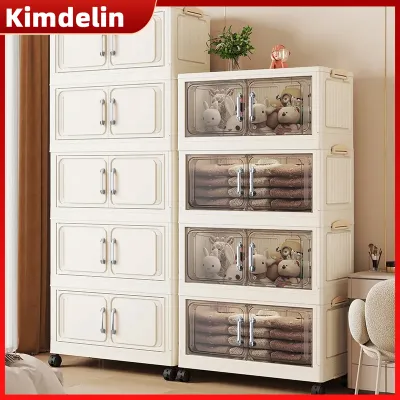
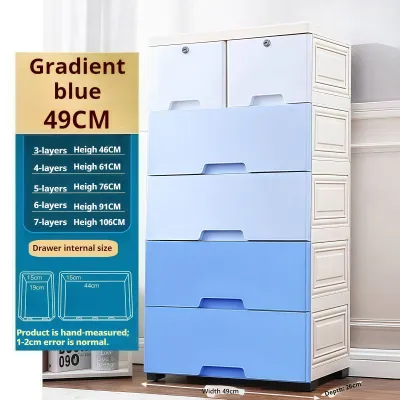
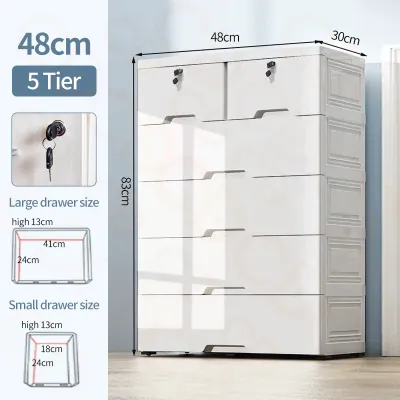
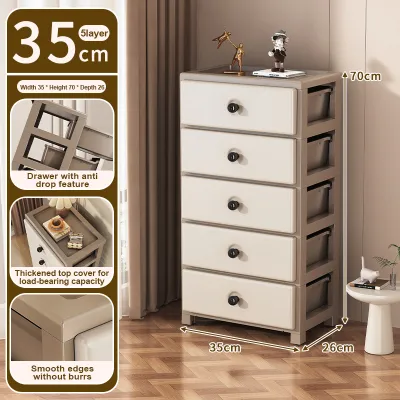
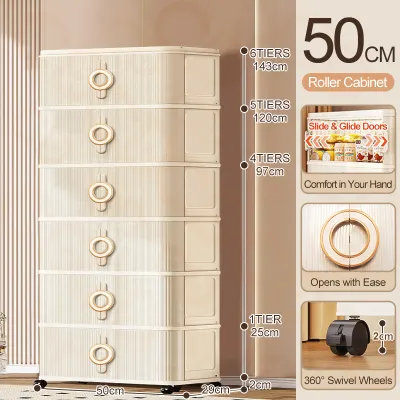
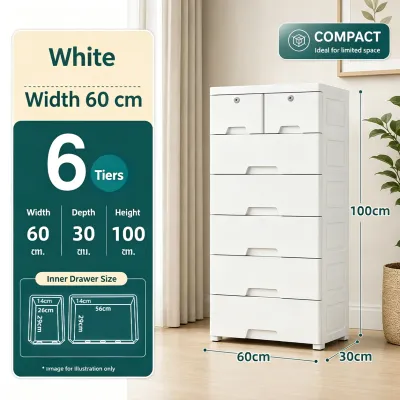
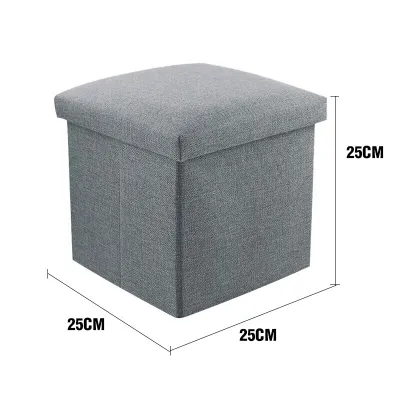
Prices are valid at publication and may change. Please refer to the product page for the latest price.
Built-in alcoves often present irregular dimensions, sloping ceilings, or non-standard depths. Standard, one-size-fits-all organizers rarely work well in these spaces. Instead, modular or adjustable solutions are required, as they can be configured dynamically to fit unique architectural angles and customized over time.
Applying condition-based matching ensures that every centimeter of your closet is functional. For deep shelves, pull-out bins are the superior choice because they bring hidden items into view. For narrow vertical gaps, slim stackable units turn wasted overhead space into usable storage compartments.
It is important to recognize the limitations of universal fits. If your wardrobe has non-standard dimensions, attempting to force a standard organizer into the space can lead to damage. Always prioritize modular systems that can be rearranged or scaled down to fit your specific layout.
How to Measure Your Wardrobe for a Perfect Fit
Accurate measurements are the foundation of any successful wardrobe upgrade. Before purchasing any organizer, you must measure the internal usable width, depth, and height of your closet. Do not rely on the external dimensions of the wardrobe, as the thickness of the outer panels and internal dividers will reduce the actual space available inside.

When measuring, always account for internal obstacles such as door hinges, wooden frames, support brackets, and sliding door tracks. A drawer organizer might fit perfectly within the shelf dimensions but fail to open if a door hinge or frame protrudes into its path. Measure the clearance at the narrowest points of the wardrobe to ensure smooth operation.
Door clearance and track depth require special attention, particularly in wardrobes with sliding or folding doors. Ensure that pull-out drawers or bins have enough clearance to extend fully without scraping against the doors. For sliding doors, measure the depth of the track system to ensure the organizer does not sit too far forward and prevent the doors from closing completely.
Finally, verify the weight-bearing limits of your existing wardrobe shelves. Heavy plastic organizers, especially when filled to capacity with folded clothes or accessories, can place significant stress on shelf supports. Check your wardrobe manufacturer’s specifications to ensure the shelves can handle the combined weight of the organizers and your belongings without sagging, bending, or collapsing.
Choosing the Right Organizer Style for Your Clothes and Accessories
Matching the style of your organizer to the specific items you store is essential for maintaining the quality of your wardrobe. Drawer-style and pull-out bins are ideal for folded garments, undergarments, socks, and small accessories. These enclosed designs keep items neatly concealed, creating a clean visual aesthetic while protecting delicate fabrics from dust and pests.
Stackable shelf dividers and modular cubes are excellent for maximizing vertical space on open shelves. They are particularly useful for separating bulky items such as sweaters, jeans, bed linens, or bags. By creating physical barriers, these dividers prevent tall stacks of clothes from toppling over and mixing together.
For garments that require suspension to prevent wrinkling, such as dresses, collared shirts, or delicate formal wear like a barong, hanging organizers and valet rods are indispensable. These accessories utilize hanging rod space to provide structured shelving for folded items or offer quick-access hanging points for daily outfits.
When choosing between open and enclosed organizer designs, consider the trade-offs between visibility and protection. Open designs, such as wire baskets or clear plastic bins, allow you to see your entire wardrobe at a glance, making outfit selection quick and easy. However, they offer minimal protection against dust and environmental moisture.
Enclosed designs, such as solid plastic drawers or lidded storage boxes, provide excellent protection against dust, insects, and humidity, which is particularly beneficial in tropical climates. The trade-off is reduced visibility, which can be easily managed by using clear labeling systems or dedicating specific drawers to distinct clothing categories.
What to Check on the Product Label for Longevity and Safety
To ensure your wardrobe organizers withstand daily use, you must carefully inspect the product label or manufacturer specifications before purchasing. Look for details regarding surface treatments and material finishes. High-quality plastic or composite materials should feature scratch-resistant surfaces that can withstand the friction of daily sliding and stacking.
Ensure the materials are compatible with standard household cleaning methods. In bedroom environments, organizers should be easy to wipe down with a damp cloth and mild, non-abrasive soap to prevent the buildup of dust and lint. Avoid materials that absorb moisture or are prone to warping when exposed to humid conditions.
Inspect the connection structures and joint stability of the units, especially if you plan to stack them. High-quality organizers feature secure interlocking tabs, clips, or grooved bases that prevent stacked units from shifting. Check the manufacturer’s load-bearing ratings to ensure the structure can support the weight of your clothing without warping or cracking.
Review the manufacturer’s care instructions to protect your investment. In tropical climates, prolonged exposure to high humidity and direct sunlight can degrade plastics and cause colors to fade. Ensure the organizer is placed away from windows where direct sunlight hits, and avoid using harsh chemical cleaners that can strip protective coatings or weaken the material.
Safe Assembly and Tipping Prevention Inside Your Closet
Safe installation is critical to ensuring the stability of your wardrobe system and preventing household accidents. Always follow the manufacturer’s assembly instructions strictly, utilizing all provided components. Never skip steps or substitute the recommended hardware, as this can compromise the structural integrity of the organizer.
Securing tall, modular, or heavily loaded stackable units is essential to prevent tipping. This precaution is especially important in households with children or pets, who may attempt to climb the shelves or pull open heavily loaded drawers. Use the manufacturer-provided anchoring straps, brackets, or interlocking clips to secure the units to the wardrobe frame or the back wall.
If your installation requires structural modifications to your closet, such as drilling into load-bearing wardrobe panels, altering the original frame, or mounting heavy hardware to thin plywood backing, stop immediately. Consult a qualified professional to ensure the modifications do not compromise the safety and stability of your wardrobe.
Frequently Asked Questions (FAQ)
Can I use Durabox organizers in a wardrobe with sliding doors?
Yes, you can use these organizers in wardrobes with sliding doors, provided you measure the clearances carefully. Ensure the organizer’s depth does not obstruct the sliding path of the doors. You must also check the depth of the bottom track to ensure the organizer does not sit on or interfere with the rail. If the organizer must rest directly on the bottom shelf near the rail, verify that the shelf can support the weight without bowing and obstructing the door mechanism.
How do I prevent stackable organizers from tipping over inside the closet?
To prevent stackable units from tipping, always utilize the built-in interlocking features, grooves, or connecting clips provided by the manufacturer to secure the units together. Additionally, maintain a low center of gravity by placing your heaviest items, such as jeans, jackets, or bags, in the bottom drawers or tiers. Keep lighter items, like t-shirts and undergarments, in the upper sections, and avoid overloading the top units.
What should I do if the organizer dimensions slightly exceed my shelf space?
If an organizer is slightly too large for your shelf, do not attempt to force it into the space. Forcing a tight fit can scratch or gouge your wardrobe’s interior finish and warp the organizer’s frame, which may prevent drawers from sliding smoothly. Instead, check the product line for alternative sizes, rearrange your shelf heights if they are adjustable, or return the unit to select a model that fits comfortably within your measured dimensions.

Community discussion
Share your experience or ask a question. Comments are reviewed before publication.