
Hosting large family gatherings is a cornerstone of Filipino culture, where Sunday lunches, birthday celebrations, and holiday feasts regularly bring together extended relatives. To accommodate a fluctuating headcount of 6 to 10 guests without permanently sacrificing precious living space, investing in a versatile chairs and table set with an extendable mechanism is an ideal solution. This setup allows you to maintain a compact footprint for daily household activities while easily expanding the surface area when visitors arrive.
Selecting the right extendable dining set requires careful planning beyond simply matching the aesthetic of your home. You must evaluate the physical dimensions of your dining area, the structural integrity of the extension mechanisms, the resilience of materials under tropical conditions, and the ergonomics of the accompanying chairs. By focusing on practical verification steps and structural details, you can secure a dining set that serves your family reliably for years to come.
Assessing Space and Size Requirements for 6 to 10 Seats
Before browsing online marketplaces or visiting local showrooms, you must establish the physical limits of your dining room. A common mistake is measuring only for the collapsed state of the table, leaving the room cramped and impassable once the table is fully extended to its 10-seat capacity.
Products mentioned in this guide
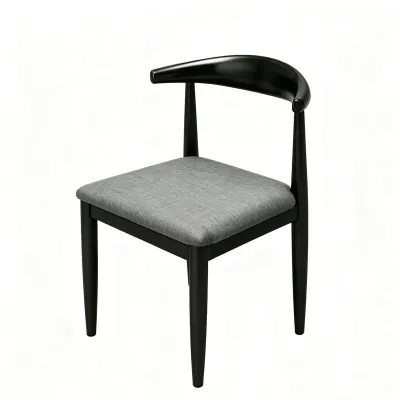
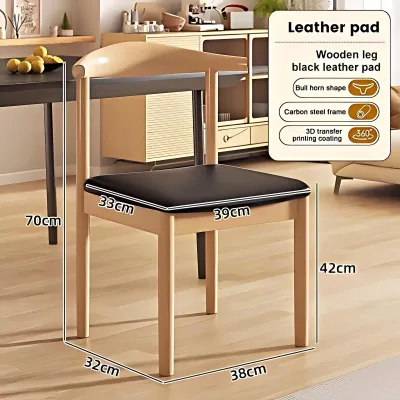
Prices are valid at publication and may change. Please refer to the product page for the latest price.
To ensure comfortable movement, aim for a minimum clearance of 36 inches (approximately 90 centimeters) between the edge of the table—when fully extended—and the nearest wall, sideboard, or doorway. This clearance allows guests to pull out their chairs and stand up comfortably, and it provides enough space for someone to walk behind seated guests to serve food. If your dining area is a high-traffic corridor, increasing this clearance to 48 inches is highly recommended.
Next, compare the collapsed footprint against the fully extended length. For daily use by a typical household of 4 to 6 people, a collapsed length of 140 to 160 centimeters is usually sufficient. To comfortably seat 10 guests without crowding, the table will need to extend to at least 220 to 240 centimeters. Ensure your room can accommodate this maximum length without blocking major pathways or colliding with adjacent furniture like sofa backs or console tables.
You must also account for the storage of the extension leaves. Some extendable tables feature self-storing mechanisms where the leaves fold and tuck neatly beneath the tabletop. Other designs require you to remove the leaves entirely and store them in a closet, under a bed, or in a utility room. If you choose a model with removable leaves, verify that you have a safe, dry storage space where the panels will not be exposed to moisture, warping, or accidental scratches.
In compact urban homes, such as condominiums in Metro Manila, spatial logistics are even more critical. Consider how the extended table affects the visual flow of the room. A table that feels open and airy when collapsed can quickly overwhelm a small space when fully extended. Opting for a table with rounded corners or a visually lighter frame can help mitigate this crowded feeling during large gatherings.
Understanding Extension Mechanisms and Stability
The longevity of an extendable chairs and table set depends heavily on the quality and design of its extension mechanism. Because these moving parts bear significant physical stress during transition and use, understanding how they operate will help you choose a durable option.

Butterfly leaf mechanisms are highly popular for their convenience. The extension panels are hinged and stored in a compartment directly beneath the tabletop. To extend, you slide the main table halves apart, lift the butterfly leaf out, and unfold it into place. This design eliminates the need for separate storage, making it highly efficient for busy households. However, you should inspect the hinges regularly to ensure they remain aligned and free of dust or food crumbs.
Drop-leaf tables feature hinged panels on the outer ends that hang down vertically when not in use. While incredibly simple to operate and space-saving, drop-leaf tables often have visible seams and may offer less legroom around the corners due to the hanging panels. They are best suited for casual dining spaces or semi-regular hosting rather than formal, heavy-duty dining setups.
Removable center leaves require you to pull the table ends apart and manually insert one or more separate panels onto the support tracks. While this mechanism often allows for the greatest overall extension length, it requires manual lifting and dedicated storage space for the loose leaves. When evaluating this style, check if the sliding tracks are made of sturdy, rust-resistant metal or solid hardwood glides that slide smoothly without binding.
Table base design directly impacts both stability and seating comfort. Traditional four-legged tables provide excellent stability at the corners, but the legs can restrict where guests sit when you try to squeeze in extra chairs. Pedestal or trestle bases offer much more flexibility, allowing you to place chairs freely along the perimeter without guests having to straddle a table leg. However, you must verify that a pedestal base is heavy and wide enough to prevent the table from tipping or sagging when weight is applied to the extended ends.
Always test the locking hardware before finalizing your purchase. High-quality extendable tables feature secure latches or tension locks on the underside of the tabletop. These locks hold the leaves tightly together, preventing accidental separation, surface misalignment, or pinching hazards when guests lean on the table during a lively meal.
Evaluating Materials and Maintenance for Frequent Hosting
The tropical climate of the Philippines, characterized by high humidity and seasonal temperature shifts, presents unique challenges for furniture preservation. When selecting materials for your dining set, you must prioritize moisture resistance, structural stability, and ease of cleaning.
Solid wood remains a classic choice for its warmth and durability, but it is highly sensitive to humidity. Wood naturally expands and contracts, which can cause joints to loosen or extension tracks to stick. If you prefer solid wood, look for tropical hardwoods like mahogany, acacia, or tula-tula, which are naturally more resilient to local climate conditions. Ensure the wood is treated with a high-quality, moisture-resistant sealant or polyurethane finish to protect it from water rings, hot serving dishes, and spills.
Engineered wood, such as high-density fiberboard (HDF) or medium-density fiberboard (MDF) topped with a natural wood veneer, offers excellent dimensional stability because it does not warp or crack as easily as solid wood under humidity fluctuations. However, you must carefully inspect the edge banding. If the edges are poorly sealed, moisture from humid air or wet cleaning cloths can seep into the core, causing the material to swell and ruin the finish.
For ultimate durability and low maintenance, sintered stone or ceramic tabletops are outstanding options. These materials are highly resistant to scratches, heat, and stains, making them ideal for hosting large groups where hot pots, spilled sauces, and sharp utensils are common. They can be easily wiped clean with a damp cloth and do not require specialized sealants or polish.
Tempered glass tabletops offer a sleek, modern aesthetic and can make a small dining room feel larger by allowing light to pass through. However, glass requires frequent wiping to remove fingerprints, smudges, and oil marks. It also carries a risk of scratching if heavy ceramic serving dishes are dragged across the surface without protective placemats.
Chair upholstery requires equal consideration. While plush, fabric-upholstered chairs offer superior comfort for long conversations, they are highly susceptible to stains from spilled food and drinks. If you prefer fabric, look for performance textiles treated with stain-resistant coatings. Faux leather (polyurethane or PU) is highly practical because it can be wiped clean instantly, though it can feel warm and sticky in dining rooms without continuous air conditioning. Solid wood or molded plastic chairs are highly durable, easy to sanitize, and can be paired with removable, washable seat cushions for added comfort.
Matching Chairs for Comfort and Flexible Seating
Achieving a comfortable seating arrangement for 6 to 10 people requires a strategic approach to chair selection. Squeezing ten bulky chairs around a table can lead to bumped elbows, restricted legroom, and an uncomfortable dining experience.
To maximize the usable perimeter of your extended table, prioritize armless dining chairs. Armless designs have a narrower footprint, allowing you to place them closer together along the sides of the table. They also make it easier for guests to slide in and out of their seats without having to pull the chair back excessively, which is particularly helpful in tighter dining spaces.
Dining benches are an exceptionally practical solution for families who host frequently. A bench can accommodate more people—especially children—than individual chairs, and it can be tucked completely beneath the table when the set is collapsed, keeping your dining room tidy and spacious for daily activities. You can pair a bench on one side of the table with individual armless chairs on the other side and at the ends for a balanced, modern look.
Before purchasing, verify the vertical clearance between the chair seats and the table frame. The standard distance from the top of the chair seat to the underside of the table apron should be between 10 and 12 inches (25 to 30 centimeters). If the table has a thick apron or a bulky support frame housing the extension mechanism, guests may find their thighs pressed uncomfortably against the underside of the table. Always check these measurements to ensure adequate legroom.
For peak hosting occasions, you do not need to keep ten full-sized dining chairs in your dining room year-round. Instead, invest in a set of 4 to 6 matching primary chairs for daily use, and supplement them with high-quality stackable or foldable accent chairs stored in a closet or adjacent room. When choosing folding chairs, look for models with padded seats and sturdy frames that match the general color palette of your main dining set to maintain a cohesive look.
Pre-Purchase and Delivery Verification Checklist
To avoid logistical headaches, assembly failures, or structural disappointments, follow this practical checklist before making your final purchase and immediately upon delivery.
First, measure the entire delivery path. An extendable dining table is often shipped in large, heavy flat packs. Measure the width and height of your front door, hallway corners, stairwells, and elevator doors to ensure the delivery team can safely transport the boxes to your dining room. If you live in a high-rise condominium, check the building’s elevator weight and size limits beforehand.
Second, inspect the hardware and moving parts immediately upon assembly. Slide the table open and closed multiple times to verify that the tracks operate smoothly without grinding, sticking, or requiring excessive force. Check that the alignment pins line up perfectly and that the tabletop surfaces meet flush without any noticeable height differences or wide gaps.
Third, test the locking mechanisms. Ensure the latches engage securely and hold the table halves tightly together. Apply moderate downward pressure to the extended ends of the table to check for any sagging, flexing, or wobbling. A stable table should feel solid and secure, even when fully extended.
Finally, review the manufacturer’s warranty terms. Pay close attention to what is covered regarding the moving parts, hinges, sliding tracks, and structural joints. Because extendable tables rely on mechanical components that experience wear and tear, having a clear understanding of the warranty coverage and the availability of replacement hardware will provide long-term peace of mind for your investment when planning your furniture budget in ₱.
Frequently Asked Questions (FAQ)
How do I manage seating when the table is not fully extended?
When your extendable table is collapsed for daily use, keeping all 8 to 10 chairs in the dining room can create visual clutter and restrict movement. A practical solution is to use a dining bench that slides completely under the table when not in use. For the remaining extra chairs, consider distributing them throughout your home as functional accent pieces. They can serve as desk chairs in a home office, seating in a bedroom, or entry hall chairs. Alternatively, high-quality folding or stackable chairs can be stored neatly in a utility closet or under a bed, ready to be brought out only when the table is fully extended.
Can I buy the extendable table and chairs separately?
Yes, you can purchase the table and chairs separately, though there are distinct trade-offs to consider. Buying a pre-bundled chairs and table set guarantees a perfect match in terms of wood finish, color, design style, and seat-to-table height proportions. It also simplifies the purchasing process. On the other hand, buying them separately offers greater design flexibility, allowing you to mix and match styles for a curated, eclectic look. This approach also lets you spread out your expenses by investing in a high-quality extendable table first, and then gradually acquiring chairs that fit your budget and aesthetic preferences over time.

Community discussion
Share your experience or ask a question. Comments are reviewed before publication.