
Creating an organized, productive home study in the Philippines requires smart space management, especially when dealing with compact urban condos or shared family rooms. Floating shelves offer an elegant, floor-saving solution to keep textbooks, reference materials, and office supplies within arm’s reach. However, finding the ideal floating shelf is not just about choosing an attractive design; it requires a careful balance of wall compatibility, material durability under tropical conditions, and structural safety.
To select the best floating shelves for your study, you must first evaluate your specific wall type, as local homes vary widely from solid concrete to lightweight drywall partitions. Additionally, the high humidity levels typical of the Philippine climate demand materials and finishes that resist warping, mold, and moisture damage. By matching the shelf’s dimensions to your storage needs and verifying the quality of the mounting hardware, you can build a secure, clutter-free workspace that enhances your focus and productivity.
Assessing Wall Types and Weight Capacity
Before purchasing any floating shelf, you must identify the construction of your wall. In the Philippines, residential walls are predominantly solid concrete or concrete hollow blocks (CHB) finished with plaster. While these masonry walls offer exceptional load-bearing capacity, they require specialized installation tools, including a hammer drill, masonry drill bits, and heavy-duty plastic or metal expansion wall plugs. Mounting a shelf directly into concrete ensures a highly stable hold, making it ideal for supporting heavy textbooks, binders, and study equipment.
Products mentioned in this guide
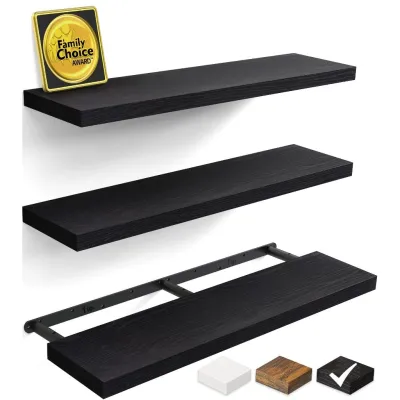
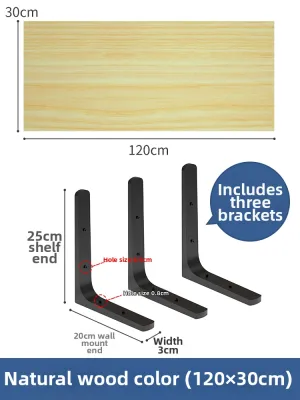
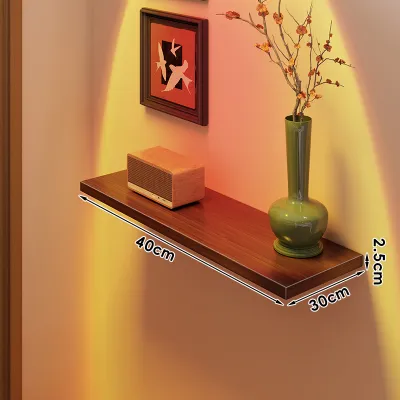
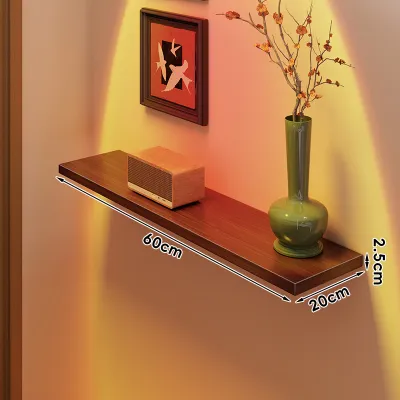
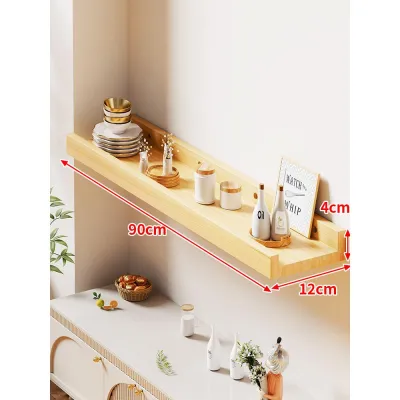
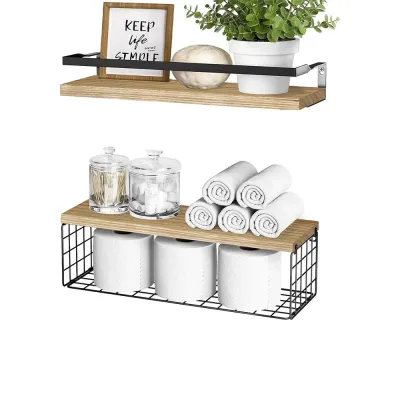
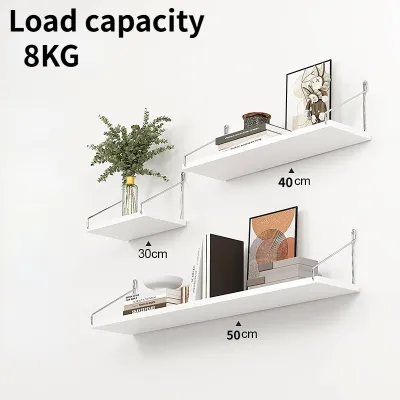
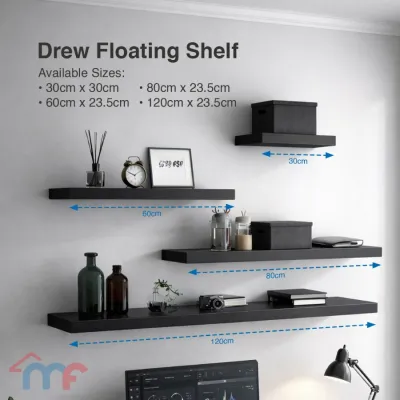
Prices are valid at publication and may change. Please refer to the product page for the latest price.
Conversely, newer condominium units and modern home renovations frequently utilize drywall or gypsum board partitions mounted on light-gauge metal studs. Drywall has significantly lower load-bearing capabilities compared to solid concrete. Mounting a floating shelf directly onto drywall using standard plastic plugs can cause the weight of your books to pull the anchors through the plasterboard, resulting in wall damage. For drywall installations, you must locate the metal studs using a stud finder and secure the shelf brackets directly into them, or utilize specialized heavy-duty toggle bolts.
Regardless of your wall type, establishing safe weight limits is critical to preventing structural failure. Always review the manufacturer’s product specifications and bracket ratings before loading your shelves. A floating shelf’s weight capacity is determined by both the shelf board and the design of its hidden bracket. Internal metal brackets with thick, welded support rods offer the highest stability, whereas thin, stamped metal brackets may bend under moderate loads. Factor in the weight of the shelf itself along with the cumulative weight of your books and organizers.
During and after installation, remain vigilant for warning signs of wall stress. Hairline cracks in the plaster around mounting points or a shelf board sagging forward indicate a compromised installation. A visible gap opening between the back of the shelf and the wall surface means the anchors are pulling out. If any of these signs occur, immediately remove all items from the shelf to prevent damage, and consult a professional carpenter or handyman to reinforce the mounting system.
Matching Shelf Dimensions to Study Needs
Selecting the correct dimensions for your floating shelves ensures that your study materials fit securely without hanging over the edge. Standard novels and small paperbacks typically require a shelf depth of 15 to 20 centimeters, keeping the profile slim. However, if your study setup involves large academic textbooks, ring binders, or storage boxes, you will need a deeper shelf of 25 to 30 centimeters. Avoid choosing excessively deep shelves unless the mounting bracket is specifically rated for them, as deeper shelves exert greater pulling force on the wall anchors.

Shelf thickness and span length are equally important factors in maintaining structural integrity. A long, thin shelf loaded with heavy books is highly susceptible to bowing or sagging in the middle. To prevent this, look for shelf boards that are at least 2.5 to 4 centimeters thick, especially if the span exceeds 80 centimeters. If you require a longer shelving unit, consider installing multiple shorter shelves side-by-side or choosing a model that includes intermediate support brackets to distribute the weight evenly.
Planning the vertical spacing and layout of your shelves is essential for creating an ergonomic and visually balanced workspace. Measure the height of your tallest books or storage bins and add at least 5 centimeters of clearance to allow for easy retrieval. If you are mounting shelves directly above your desk, ensure there is sufficient vertical clearance—typically 50 to 60 centimeters from the desktop—so that your computer monitor fits comfortably and you do not accidentally bump your head when standing up.
Finally, take precise measurements of your available wall space, taking into account door swings, window frames, and nearby furniture. A floating shelf should never obstruct pathways or interfere with the movement of your office chair. Marking the proposed shelf dimensions on the wall using painter’s tape before drilling allows you to visualize the final layout and make necessary adjustments to the height and positioning.
Choosing Materials and Finishes for Durability
The tropical climate of the Philippines, characterized by high relative humidity, poses unique challenges for furniture preservation. When selecting floating shelves, the core material plays a decisive role in how well the shelf resists warping. Solid wood, such as locally sourced acacia or mahogany, offers excellent stiffness and natural beauty, but it must be properly seasoned and sealed to prevent moisture absorption. Engineered woods, including Medium-Density Fiberboard (MDF) and particle board, are cost-effective options but are highly vulnerable to swelling if moisture penetrates the surface.
To protect engineered wood shelves from humid air, evaluate the quality of their surface finishes. High-pressure laminates (HPL) and melamine veneers provide a durable, moisture-resistant barrier that is easy to wipe clean. Ensure that the edge banding—the strip covering the exposed edges—is seamlessly applied and free of gaps, as any exposed core material will readily absorb atmospheric moisture and begin to peel. For solid wood shelves, a polyurethane or lacquer finish offers robust protection against scratches, ink stains, and water rings.
Metal floating shelves, typically constructed from powder-coated steel or aluminum, represent an exceptionally durable alternative for modern or industrial-style home studies. Metal is completely impervious to humidity, warping, and insect damage, making it a highly reliable choice for long-term use. However, metal shelves can be heavy, which increases the dead load on your wall anchors even before you place any books on them. When opting for metal, verify that the mounting hardware is robust enough to handle the combined weight of the shelf and your study supplies.
Before finalizing your choice, check the manufacturer’s care instructions and environmental limitations to ensure the material aligns with your study’s conditions. If your home study is located in a non-air-conditioned room or near a window exposed to direct sunlight, avoid low-grade vinyl-wrapped shelves, as the adhesive can degrade under heat, leading to unsightly bubbling and peeling. Choose materials and finishes that complement your existing study furniture, such as your desk and chair, to create a cohesive and inviting aesthetic that encourages focus.
Building Your Floating Shelf Shortlist
When purchasing floating shelves from local furniture showrooms or online marketplaces, creating a structured checklist will help you avoid low-quality products. First, verify the exact contents of the product package. High-quality floating shelves should arrive with a robust metal mounting bracket, high-grade wall screws, and expansion anchors suitable for your wall type. If the included wall plugs appear flimsy or are designed solely for drywall, plan to purchase heavy-duty masonry anchors separately from a local hardware store to ensure a secure installation in concrete.
Next, carefully review the seller’s return policies and warranty terms regarding structural defects or missing parts. Reliable manufacturers often provide a warranty against warping or bracket failure under normal use conditions. When shopping on online marketplaces, pay close attention to seller responsiveness and customer service ratings. A seller who promptly answers questions about weight capacities and installation steps is more likely to assist you if you receive a damaged board or incomplete hardware.
Cross-referencing the actual product dimensions and weight ratings against your pre-measured wall space and intended load is crucial. Do not rely solely on promotional images, which often use digital rendering to make shelves appear larger or sturdier than they are. Always check the written specifications for the exact length, depth, and thickness. If you plan to store heavy textbooks, filter out shelves that do not explicitly state a weight capacity or those that rely on simple keyhole hangers rather than a continuous internal bracket.
Finally, leverage verified user feedback to assess the real-world performance of the shelves. Look for reviews that mention the ease of installation, the alignment of the pre-drilled holes, and whether the shelf remains level over time. Pay attention to photos uploaded by previous buyers, as these provide a realistic view of the finish quality, color accuracy, and overall stability under load. By systematically filtering your options based on these criteria, you can confidently select a floating shelf system that is safe, durable, and perfectly suited to your Philippine home study.
Frequently Asked Questions (FAQ)
Can I install floating shelves on a rented apartment wall?
Installing floating shelves in a rented apartment or condominium in the Philippines requires careful consideration of your lease agreement. Most standard lease contracts prohibit drilling holes into concrete or drywall without prior written consent from the landlord, as repairing these holes can be costly and time-consuming. Before proceeding with any installation, review your contract or speak directly with your property manager to understand the specific rules regarding wall modifications and the potential impact on your security deposit.
If drilling is strictly prohibited, exercise extreme caution when considering adhesive-based alternatives. While some adhesive strips and heavy-duty mounting tapes claim to support floating shelves, they are generally unsuitable for holding books or heavy study supplies. These adhesives rely on a bond with the wall paint or plaster, and under the weight of books combined with tropical humidity, the adhesive can fail suddenly, tearing away paint and causing the shelf to fall. If you must use non-drill options, limit the shelf load to extremely light decorative items, or opt for freestanding bookcases instead.
If your landlord permits drilling on the condition that you restore the wall upon moving out, plan your restoration strategy in advance. You will need to fill the drill holes with a high-quality wall putty or patching compound, sand the surface smooth once dry, and apply a matching coat of paint. Keeping a small container of the original wall paint on hand will make this touch-up process seamless, ensuring you can return the apartment in its original condition and secure the full return of your deposit.
How do I prevent books from sliding off floating shelves?
Because floating shelves lack the protective side panels of traditional bookcases, keeping books upright and secure requires a few practical strategies. The most effective method is to use heavy, non-slip bookends at both ends of your book stack. Choose bookends with rubberized or padded bases that grip the shelf surface, preventing them from sliding outward under the lateral pressure of the books. Alternatively, you can select floating shelves that feature built-in lips, raised edges, or decorative metal rails designed specifically to keep items contained.
The way you arrange your books also plays a significant role in their stability and weight distribution. Instead of standing all your books vertically, consider stacking some of the larger, heavier volumes horizontally in the center of the shelf. This horizontal stack can then serve as a natural, sturdy bookend for the remaining vertical books placed on either side. Additionally, placing heavier items toward the center of the shelf, closer to the wall bracket, reduces the twisting force on the mounting system and improves overall stability.
To ensure your books do not slide off due to gravity, the shelf must be installed perfectly level. Even a slight downward tilt can cause items to migrate slowly toward the edge over time, especially in high-vibration environments near busy streets or doorways. Always use a spirit level during the installation process to verify both the horizontal alignment and the front-to-back level of the mounting bracket before securing it to the wall. If the shelf tilts forward slightly after installation, you can insert thin shims between the bracket and the wall to correct the angle.

Community discussion
Share your experience or ask a question. Comments are reviewed before publication.