
Selecting the right furniture for a child’s bedroom or playroom requires a careful balance of comfort, physical safety, and spatial efficiency. A high-quality chair bed foldable foam option serves as an excellent multi-functional solution, transforming easily from a compact reading chair during the day into a spare bed for naps or overnight guests. However, finding the right fit goes beyond simply picking a favorite color or design.
To make a smart investment, you must evaluate how the physical dimensions, foam characteristics, structural mechanisms, and safety features align with your child’s developmental stage and your home’s environment. By focusing on verifiable specifications rather than marketing promises, you can select a durable, supportive, and safe piece of furniture that fits seamlessly into your daily routine.
Measure Your Space and Define the Primary Use
Before browsing specific models or designs, you must accurately assess the physical space where the chair bed will be placed. Start by measuring the available floor area in the child’s room using a standard measuring tape. You need to record two distinct sets of dimensions: the footprint of the item when fully folded into a chair, and the total length and width when it is completely unfolded into a bed.
Products mentioned in this guide
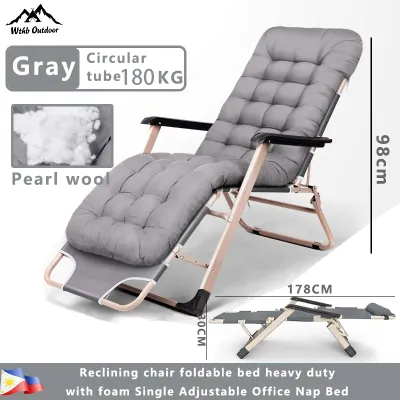
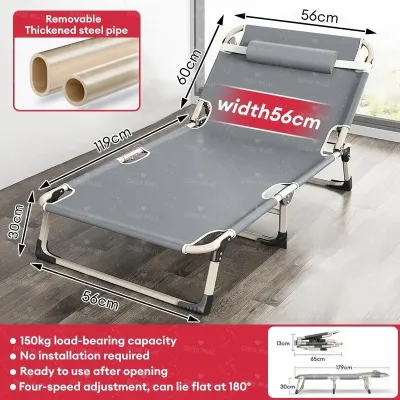
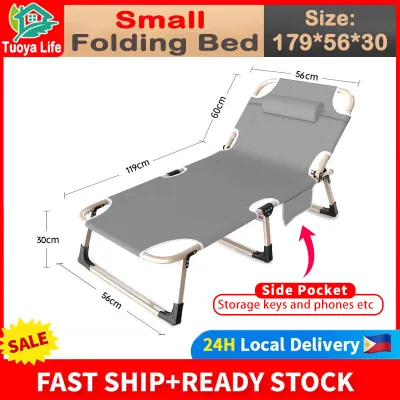
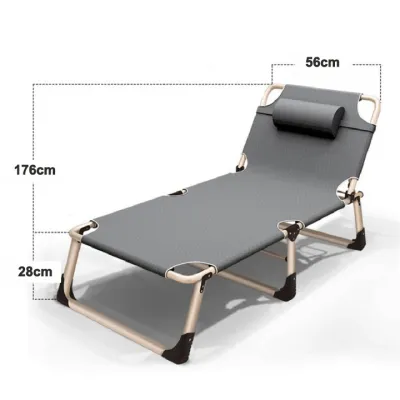
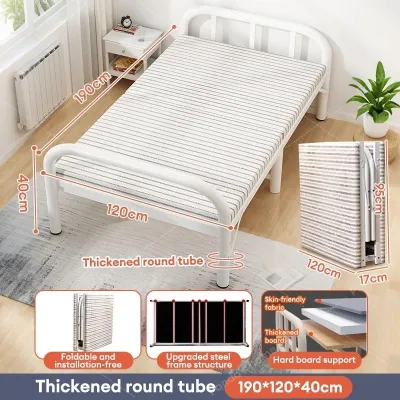
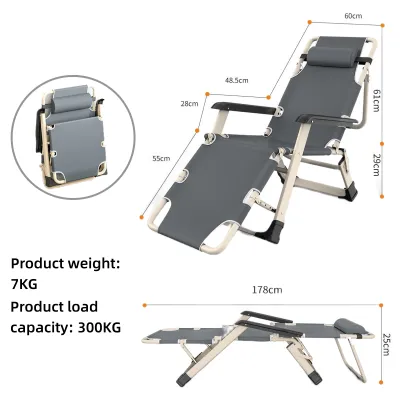
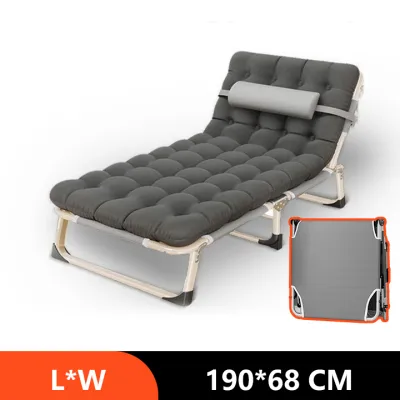
Prices are valid at publication and may change. Please refer to the product page for the latest price.
In addition to the static dimensions of the furniture, you must calculate the operational clearance. Ensure there is at least 50 to 60 centimeters of open space around the unfolded bed so your child can easily stand up, lie down, and navigate the room without bumping into walls, desks, or wardrobes. If the room features low-profile wardrobes or drawers, verify that the folded chair height will not block cabinet doors or drawers from opening fully.
Your child’s age, weight, and the primary purpose of the furniture will dictate the appropriate size and structural durability. For example, a toddler using the unit primarily as a low-to-the-ground reading nook requires less surface area but higher lateral stability to prevent tipping. Conversely, an older child using the bed for occasional sleepovers needs a longer flat surface and a higher weight capacity. Check the manufacturer’s product specifications to confirm that the maximum weight limit safely accommodates your child’s current weight plus expected growth over the next few years.
Finally, do not overlook the logistics of delivery and movement within your home. Measure the narrowest points of your entryways, hallways, stairwells, and elevator doors. Many foam products are delivered compressed in large boxes, but once unpacked and fully expanded, they can be bulky to maneuver through tight residential layouts, particularly in multi-story homes or high-rise apartments.
Decode Foam Density and Cover Specifications for Your Chair Bed Foldable Foam
To understand how well a chair bed foldable foam will perform over time, you must look past generic descriptions like “extra soft” or “super firm” and examine the actual material specifications. The support and longevity of the bed depend heavily on the density of the polyurethane foam used inside, which is typically measured in kilograms per cubic meter (kg/m³).

High-density foam (generally rated at 28 kg/m³ or higher) offers superior resilience and support. It prevents a child’s body from sinking completely through the cushion onto the hard floor, which is essential for maintaining comfortable spinal alignment during sleep. Low-density foam (under 20 kg/m³) may feel soft and cushiony to the touch initially, but it tends to sag, compress permanently, and lose its shape rapidly under regular use. Always cross-reference the foam density and thickness with the manufacturer’s stated weight limits to ensure the core support is adequate for your child.
Because children’s furniture is highly susceptible to spills, sweat, and dirt, the outer cover’s material and maintenance instructions are critical. Prioritize covers equipped with heavy-duty, recessed zippers that allow you to remove the fabric completely for machine washing. Check the inner care label to confirm the washing instructions; covers that require professional dry cleaning or are hand-wash only can add significant inconvenience to your household routine.
In warm and humid tropical climates, such as in the Philippines, fabric breathability is essential for comfort. High humidity can cause heat retention in synthetic materials, leading to an uncomfortably warm sleeping surface and excessive sweating. Review the product’s material tags to identify breathable fabric covers, such as cotton blends, bamboo-derived rayon, or specialized breathable polyester knits. Avoid heavy, non-breathable vinyl or cheap synthetic fabrics that trap heat and moisture, which can also encourage the growth of mold and dust mites in humid indoor environments.
Compare Folding Mechanisms and Structural Support
Foldable foam chair beds generally fall into two structural categories: frameless, all-foam designs and hybrid designs featuring internal frames or hinges. Understanding the trade-offs between these configurations will help you choose the safest and most practical option for your home.
Frameless multi-fold foam designs rely entirely on the foam blocks themselves for structure, with heavy-duty fabric seams acting as the hinges. These are lightweight, easy for a child to fold and unfold independently, and free from hard internal components, making them exceptionally safe for younger children who might bump into the furniture during active play. However, because they lack a rigid frame, they must be placed directly against a wall to provide adequate back support when used in the upright chair position.
Hybrid designs utilize internal metal or wooden frames with click-clack hinges or folding joints. These models provide structured, self-supporting backrests that can be placed anywhere in a room without wall support. If you select a model with an internal frame, you must carefully inspect the folding mechanism. Look for safety features such as concealed hinges, thick fabric protective sleeves, and secure locking positions that prevent the frame from collapsing unexpectedly. Ensure there are no exposed pinch points where small fingers could get caught during transition.
| Feature | Frameless All-Foam Designs | Internal Frame Hybrid Designs |
|---|---|---|
| Primary Material | High-density foam blocks with fabric hinges | Foam cushioning over metal or wood frames |
| Backrest Support | Requires wall placement for stable upright sitting | Self-supporting; can stand freely in open space |
| Safety Profile | Soft edges; zero pinch points; ideal for younger kids | Hard edges under foam; requires checking for pinch points |
| Weight & Portability | Lightweight; easy for children to move and fold | Heavier; usually requires adult assistance to move |
| Seating Height | Typically lower to the ground (bi-fold or tri-fold) | Higher, more traditional chair seating height |
The number of folds in the design directly impacts both the seating height and the flat bed length. A bi-fold design typically features two larger foam segments, which results in a lower seating height but a smoother, flatter sleeping surface with fewer seams. A tri-fold design uses three segments, providing a taller, more traditional chair seat when folded, but introducing more joint seams when laid flat. Match these configurations to your child’s current height, physical coordination, and comfort preferences.
Verify Safety Features and Stability
Safety is the most critical factor when selecting any piece of children’s furniture. When evaluating a foldable foam chair bed, begin by verifying chemical safety certifications. Look for recognized compliance marks on the product packaging, law labels, or manufacturer documentation. Certifications such as CertiPUR-US or OEKO-TEX Standard 100 confirm that the foam and cover materials have been tested for harmful substances, including heavy metals, formaldehyde, phthalates, and specific chemical flame retardants, ensuring they are safe for close, prolonged contact with children.
Next, evaluate the physical stability of the unit in both its chair and bed configurations. When folded into a chair, the center of gravity should remain low and stable. Test the chair by applying downward pressure on the front edge and the top of the backrest; it should not tip forward, backward, or slide easily. A stable base prevents the unit from flipping over if a child climbs over the backrest or sits on the armrests during play.
If your home features smooth flooring, such as polished ceramic tiles, hardwood, or laminate, a lightweight foam chair can easily slide when a child sits down or stands up. To prevent slips and potential falls, check the product specifications for a non-slip bottom surface. Many high-quality models feature rubberized grip dots or textured, high-friction fabric on the underside of the base segment to keep the unit firmly anchored to the floor during active use.
Final Selection Steps and Unboxing Setup
Before finalizing your purchase, run through a complete decision checklist to ensure the product meets all your requirements. Confirm that the unfolded bed length fits comfortably within your measured room layout, the foam density is appropriate for your child’s weight, the cover is fully removable and machine-washable, and the folding joints are safe and easy to operate. Prices for these units can vary widely depending on foam quality and cover materials, generally ranging from budget-friendly utility models around ₱1,500 to premium, high-density options that exceed ₱5,000.
Once your chosen chair bed is delivered, follow the manufacturer’s unboxing and setup instructions carefully. Because many foam products are vacuum-sealed and compressed for shipping efficiency, they require time to recover their original shape. Unpack the compressed foam in a spacious, well-ventilated room. Open nearby windows or use an electric fan to maintain active air circulation.
Compressed polyurethane foam typically requires 24 to 48 hours to expand fully to its specified dimensions and firmness. During this initial expansion period, the foam may emit a mild, temporary chemical odor known as off-gassing. Allowing the product to rest in a well-ventilated space before its first use ensures this odor dissipates completely and safely.
After the foam has fully expanded, perform a quick physical inspection. Check that the fabric cover fits snugly over the foam blocks without excessive bunching or straining at the seams. Test the zippers and any folding joints or safety locks multiple times to ensure they operate smoothly and lock securely as described in the product manual. Your child’s new multi-functional chair bed is now ready for safe, daily enjoyment.
Frequently Asked Questions (FAQ)
Can a foldable foam chair bed replace a regular mattress?
While a high-density foam chair bed is excellent for naps, lounging, or occasional overnight sleepovers, it is not designed to replace a standard daily mattress. Growing children require consistent, highly structured orthopedic support for proper spinal development. For long-term, daily sleep solutions, you should consult pediatric sleep guidelines or a qualified healthcare professional to select an appropriate primary mattress.
How do I clean the foam if the cover is not removable?
If the cover cannot be removed, you must rely on targeted spot cleaning. Dampen a clean, soft cloth with water and a small amount of mild, diluted detergent, then gently blot the affected area without rubbing. Avoid soaking the foam, as trapped moisture inside the core can lead to mold and structural degradation. Never use harsh chemical cleaners, bleach, or high heat, and always check the manufacturer’s care label for specific maintenance instructions.

Community discussion
Share your experience or ask a question. Comments are reviewed before publication.