
Quick Guide: Sizing a Folding Bed for a Small Child's Room
Selecting a folding bed for a child’s bedroom requires balancing the bed’s physical footprint with the room’s active play space. The core principle is to measure the operational clearance—the space needed to fold, unfold, and access the bed—rather than just the static floor area.
When shopping, you must compare the folded storage footprint against the unfolded sleeping footprint to ensure the room remains functional during both day and night. Prioritizing safe movement pathways and folding clearance over a wider mattress ensures your child can move freely without safety hazards. In compact bedrooms, a bed that is easy to store prevents the room from feeling cramped and preserves valuable floor space for daily activities.
Measuring the Bedroom for Unfolded and Folded Footprints
Before purchasing any furniture, taking precise measurements of the bedroom is essential. Using a steel tape measure, map out the exact floor area where the bed will unfold. It is highly helpful to mark this area on the floor using masking tape to visualize how much space the bed will occupy when fully open.
Products mentioned in this guide

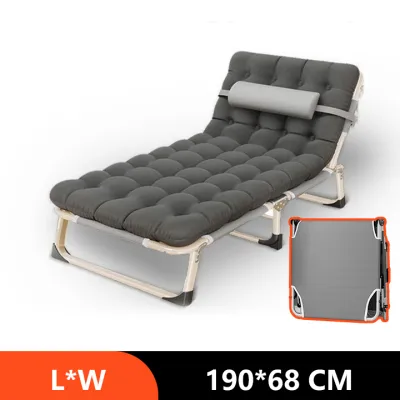
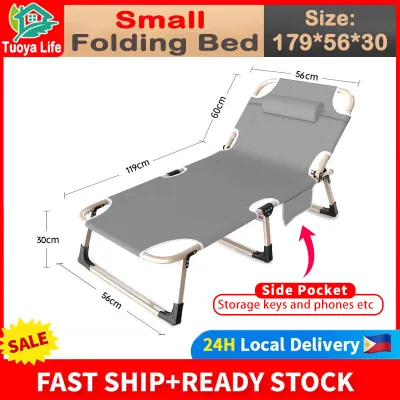
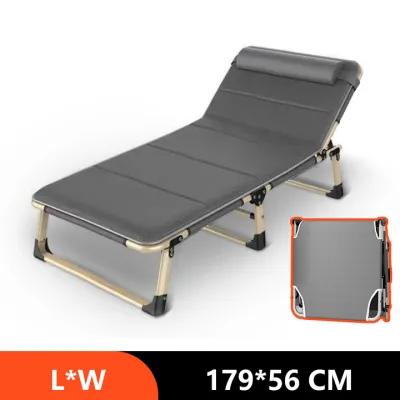
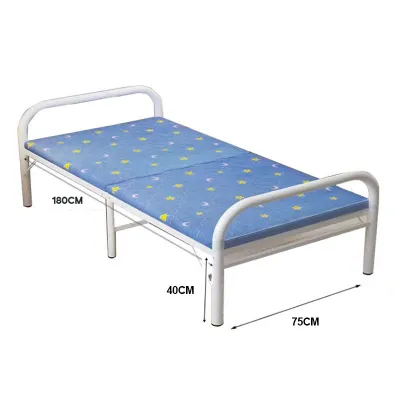
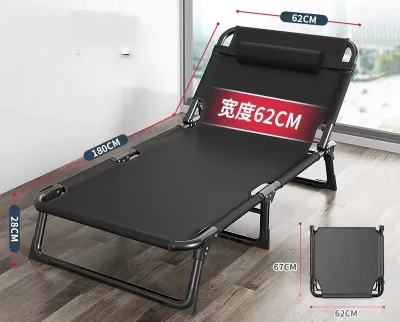
Prices are valid at publication and may change. Please refer to the product page for the latest price.

When measuring unfolded clearance, account for all active elements in the room. Ensure there is enough space for bedroom doors, closet doors, and desk drawers to open fully without striking the extended bed frame. Walking paths must remain clear so your child can safely navigate the room at night without tripping over the frame.
For the folded storage space, measure the designated storage location carefully. If you plan to store the bed in a closet, measure the internal depth, width, and height of the closet space. If the bed will stand against a wall when folded, check the vertical clearance to ensure it does not interfere with wall-mounted shelves, artwork, or air conditioning units.
Finally, identify physical obstacles along the walls and floor. Baseboards can prevent a folding bed frame from sitting completely flush against the wall, which may affect stability. Note the locations of electrical outlets as well; blocking them can restrict access to essential appliances like electric fans, which are vital for maintaining comfortable air circulation in tropical climates.
Matching Mattress Dimensions to the Child and Room Limits
Choosing the right mattress size involves balancing your child’s current physical needs with the spatial limitations of a small bedroom. Standard single mattresses in the Philippines typically measure around 36 inches wide, while narrow singles or cot-sized mattresses measure closer to 30 inches wide.
A narrow single is highly effective for tight layouts, leaving more open floor space for play and study desks. However, you must balance this space saving against your child’s growth. Ensure the bed length accommodates your child’s current height plus a generous growth allowance so the bed remains usable and comfortable for several years.
In addition to width and length, mattress thickness is a critical factor for folding frames. Many folding beds require a specific, thinner mattress to fold properly without damaging the hinges or frame. Always check the manufacturer’s specifications for the maximum allowable mattress thickness before buying a replacement or using an existing mattress.
Weight capacity is another vital check that must not be overlooked. Verify the frame’s stated weight limit by checking the manufacturer’s product label. Folding frames generally have lower weight capacities than standard stationary beds, so the frame must safely support your child’s weight, with additional allowance if a parent needs to sit on the edge of the bed during bedtime routines.
Selecting a Folding Configuration for Tight Layouts
Different folding configurations offer distinct advantages depending on how you plan to use the room. Evaluating these options helps you find the best match for your home’s layout and structural conditions.
Rollaway beds with wheels offer excellent mobility and convenience. These beds can be easily rolled into a closet, positioned in a corner, or moved to another room when not in use. In humid tropical environments, look for frames with rust-resistant coatings, as moisture can degrade metal joints and wheels over time if left unprotected.
Cabinet or wall-mounted folding beds fold vertically into a wooden cabinet or directly against the wall, freeing up maximum floor space during the day. However, these systems require secure wall anchoring to ensure safety. Because many homes use concrete or hollow block walls, you must use appropriate masonry anchors and heavy-duty screws rather than standard drywall fasteners to secure the frame.
Bi-fold or tri-fold mattress beds consist of foam segments that fold directly on the floor without a metal frame. These are lightweight, affordable, and easy for older children to fold and unfold themselves. Because they sit directly on the floor, they are highly susceptible to absorbing ground moisture, meaning regular airing out is necessary to prevent mold and mildew growth in humid climates.
Verifying Safety, Stability, and Clearances for Children
Safety is the most critical factor when introducing a folding bed into a child’s bedroom. You must verify that the bed’s design and construction prevent accidental injuries during use or transition.
First, inspect the locking mechanisms on the wheels and folding joints. When the bed is unfolded, the frame must lock securely into place to prevent accidental folding or rolling if your child tosses and turns. Ensure these locks are robust and easy to engage, and teach your child to keep their fingers away from pinch points when the bed is being operated.
Frame stability is equally important to prevent tipping hazards. Look for a wide base design that keeps the bed stable even if a child climbs onto the edges. If you select a wall-mounted or cabinet folding bed, professional installation is highly recommended to ensure the unit is anchored securely to the wall structure.
Finally, check the mattress fit within the frame. There should be no significant gaps between the mattress and the folding frame where a child’s hands, feet, or limbs could become trapped. A snug fit ensures a safer sleeping environment and prevents the mattress from sliding off the frame during the night.
Frequently Asked Questions (FAQ)
Can a folding bed be used as a permanent daily bed for a child?
While folding beds are highly convenient, most models are designed for occasional or temporary use. Continuous daily use can wear down the folding joints and cause the mattress support system to sag over time, which may affect your child’s spinal support. If you plan to use a folding bed daily, verify that the manufacturer’s guidelines explicitly state the frame and mattress are rated for continuous use, and ensure the mattress is regularly aired out to prevent moisture buildup.
How much clearance is needed around a child's folding bed?
As a general rule, maintain at least 50 to 60 centimeters of clear pathway around the open sides of the bed. This clearance allows your child to get in and out of bed safely and provides enough space for an adult to comfortably fold and unfold the mechanism. Ensure the folding path is completely clear of toys, rugs, and other furniture to prevent tripping hazards during daily transitions.

Community discussion
Share your experience or ask a question. Comments are reviewed before publication.