
Creating an organized and inspiring study room starts with choosing furniture that serves both your practical needs and your personal style. A bookcase is often the anchor of this space, holding everything from heavy reference manuals to cherished decorative pieces. Finding the right balance between storage capacity, physical dimensions, and aesthetic appeal ensures your study remains highly functional and free of clutter.
When you begin exploring options through the galba official store or authorized retailers, it is easy to get overwhelmed by the variety of designs, materials, and configurations available. Making a successful purchase requires looking beyond surface aesthetics to understand your specific room constraints, daily habits, and long-term storage needs. By taking a systematic approach to your selection, you can invest in a piece of furniture that enhances your productivity and stands up to daily use.
Measure Your Study Room Space and Clearance
Before browsing any online catalog, you must establish the precise physical boundaries of your study room. Start by measuring the available floor footprint where you plan to position the bookcase, using a reliable metal measuring tape. Note the width and depth of this floor area, making sure to account for any baseboards or wall trim that might prevent the unit from sitting completely flush against the wall.
Products mentioned in this guide
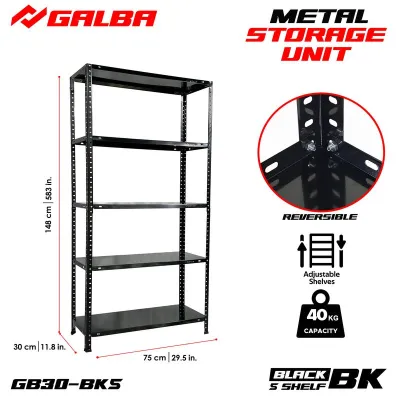
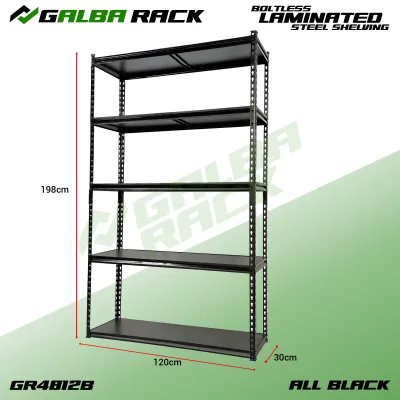
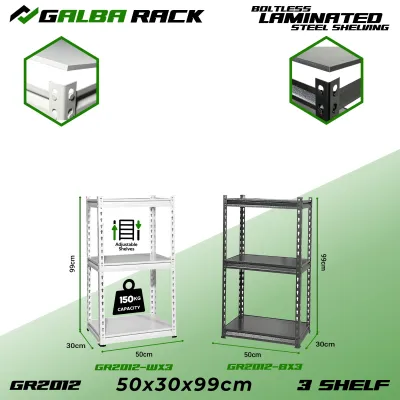
Prices are valid at publication and may change. Please refer to the product page for the latest price.
Vertical space is equally critical, especially if you are considering a tall library-style unit. Measure the height of your ceiling from the exact spot the bookcase will stand, keeping an eye out for low-hanging light fixtures, ceiling fans, or decorative crown molding. If your study has sloped ceilings or exposed beams, take multiple height measurements across the planned wall space to identify the lowest clearance point.
A bookcase must not obstruct the natural flow of movement within your study. Map out the clearance required for nearby door swings, window openings, and drawer pull-outs from adjacent desks or filing cabinets. Ensure there is a comfortable walking pathway of at least 60 to 90 centimeters in front of the shelves so you can browse your collection without feeling cramped or restricted.
Finally, plan the physical journey of the bookcase from the delivery vehicle to its final position in your study. Measure the width and height of all entryways, hallway corners, stairwells, and elevator doors that the packaged or pre-assembled unit must pass through. This step is particularly vital in multi-story homes or condominium units where tight turns and low door frames can turn a simple delivery into a major logistical challenge.
Define Your Storage and Weight Requirements
The primary function of your bookcase is to hold your belongings, which means its internal configuration must match the specific items you own. Begin by categorizing your collection by size, weight, and frequency of use. Heavy academic textbooks, thick binders, and professional journals require deep, sturdy shelves, whereas lightweight paperbacks, framed photographs, and small decorative items can sit on shallower surfaces.

To accommodate a diverse and changing collection, evaluate the flexibility of the shelving system. Adjustable shelves that utilize a peg-and-hole mechanism allow you to customize the vertical clearance of individual compartments as your storage needs evolve. Fixed shelves, on the other hand, offer excellent structural rigidity but limit your ability to store oversized items like art portfolios or large storage boxes.
Consider the visual impact of your storage by deciding on the ideal ratio between open shelving and closed compartments. Open shelves keep your books easily accessible and allow you to display decorative accents, creating an airy and inviting atmosphere. Closed storage, such as lower cabinets or drawers, is highly effective for hiding visual clutter, loose papers, office supplies, and items you prefer to keep dust-free.
Because overloading a shelf can lead to permanent sagging or structural failure, always verify the manufacturer’s specified weight limits. These limits are typically detailed in the product manual or the official online listing. Keep in mind that weight capacities assume an even distribution of items across the shelf, so placing heavy objects near the vertical supports rather than the center is a smart practice.
Match the Design to Your Study Room Aesthetics
A well-chosen bookcase should harmonize with the existing design elements of your study room rather than clash with them. Examine the surface finish of the unit and compare it against your room’s current color palette, wall paint, and flooring. If your study features warm wood tones and soft lighting, a matching wood-grain finish can create a cohesive, traditional feel, while a sleek matte black or crisp white finish suits modern, minimalist spaces.
Pay close attention to the visual weight of the bookcase and how it affects the perception of space in your room. An open-backed unit with slender metal frames allows the wall color to show through, making a small study feel larger and more open. Conversely, a solid-backed wooden bookcase with thick side panels adds substantial visual mass, which can ground a large room but might overwhelm a compact home office.
Do not overlook the smaller hardware details, as they play a significant role in defining the overall style of the piece. Inspect the design of the handles, door pulls, shelf pins, and leg styles to ensure they align with your existing desk and chair. For instance, clean-lined recessed handles complement contemporary decor, while ornate brass or dark iron hardware fits beautifully into classic or industrial-themed studies.
Verify Specifications, Safety, and Assembly Conditions
Before finalizing your purchase, it is crucial to cross-reference the exact specifications listed on the galba official store or authorized product pages. Double-check the material descriptions, overall dimensions, and shipping weight to ensure there are no surprises when the package arrives. Relying on verified product listings helps you avoid common mistakes caused by estimating sizes from online photos alone.
Safety must be a top priority, particularly when installing tall or heavy shelving units. Look for bookcases that include dedicated anti-tip hardware or wall-anchoring kits, which are essential for preventing accidental tip-overs. This precaution is especially critical in households with active children or pets who might attempt to climb the shelves, or in regions prone to minor seismic activity.
In tropical climates like the Philippines, high humidity levels and intense sunlight can affect the longevity of your furniture. Review the manufacturer’s surface treatment and care instructions to ensure the materials can withstand local environmental conditions. Bookcases placed near large windows should have UV-resistant finishes to prevent fading, while units in humid rooms require proper ventilation and moisture-resistant coatings to prevent warping or mold growth.
Additionally, clarify the assembly requirements of the bookcase before making your decision. Check the product description to see what tools are required, the estimated setup time, and whether the package includes clear, step-by-step instructions. If the unit features complex hardware, glass doors, or integrated lighting, consider hiring a professional assembly service to ensure a safe and flawless installation.
Finalize Delivery and After-Sales Checks
The purchasing process is only complete once the bookcase is safely installed in your home, which makes logistics and after-sales support vital considerations. Before checking out, verify the current stock status of your chosen model and review the estimated delivery timelines. Be sure to check for any additional shipping fees, especially if you live in a remote area or require special handling for heavy, oversized packages.
Carefully read the retailer’s return policy, paying close attention to how it handles assembled furniture. Many companies do not accept returns once a unit has been partially or fully put together, or they may charge substantial restocking and return shipping fees. Understanding these terms beforehand protects you from unexpected expenses if the product does not meet your expectations upon unboxing.
Finally, examine the warranty coverage provided for the bookcase. A reliable warranty should cover structural defects, manufacturing flaws, and damaged or missing hardware components. Familiarize yourself with the process for claiming replacement parts or requesting assistance, ensuring you keep your official receipt and product documentation in a safe place for future reference.
Frequently Asked Questions (FAQ)
How do I clean and maintain my bookcase?
To keep your bookcase looking its best, use a soft, dry or slightly damp microfiber cloth for routine dusting. Always check the manufacturer’s care label before applying any commercial chemical cleaners, wood polishes, or solvents, as these can strip or discolor the protective finish. Avoid using abrasive scrubbing pads or excessive amounts of water, which can seep into the joints and cause the underlying material to swell or warp.
Can I buy extra shelves for my unit later?
Whether you can expand your storage depends entirely on the specific model’s design and its internal peg or track system. Before assuming extra shelves are readily available, contact the seller or check the official store’s spare parts policy to verify compatibility. Keep in mind that attempting to install non-original or custom-cut shelves may void your warranty and could compromise the overall structural stability of the unit.

Community discussion
Share your experience or ask a question. Comments are reviewed before publication.