
Choosing the right grid rack size for your lipat bahay transition requires balancing your available room dimensions with the actual volume of your packed belongings. To find the ideal fit, you must measure your designated storage area, calculate the dimensions of your primary moving boxes, and select a rack configuration that prevents dangerous box overhang while keeping items within safe reach. Taking these steps ensures your temporary or permanent storage setup remains stable, accessible, and safe throughout the moving process.
Assess Your Storage Space and Clearance
Before purchasing any storage equipment, you must accurately measure the physical area where the grid rack will stand. Use a reliable measuring tape to record the exact floor footprint—specifically the length and width—along with the total ceiling height of your designated storage room. In many homes in the Philippines, overhead fixtures, low-hanging beams, or ceiling fans can severely restrict the usable vertical space, making these initial measurements critical.
Beyond the static footprint of the rack, you must account for operational clearances to keep the space functional. Ensure there is enough room for walking paths, full door swings, and easy access to other stored items, wall outlets, or light switches. If the rack blocks a pathway or prevents a door from opening completely, it becomes a daily frustration and a safety hazard during a busy move.
Products mentioned in this guide
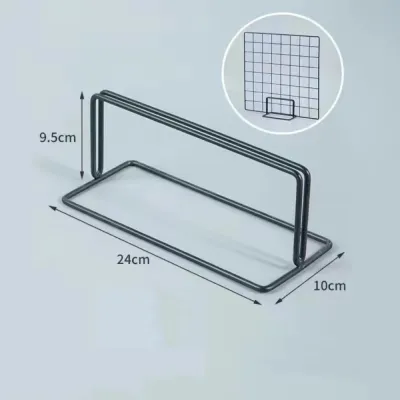
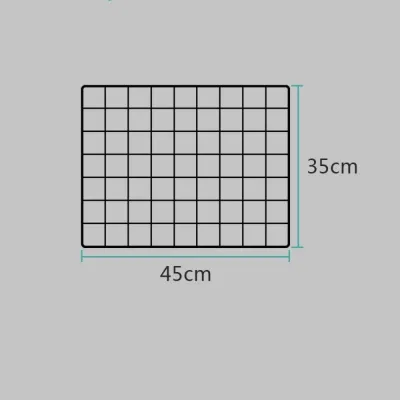
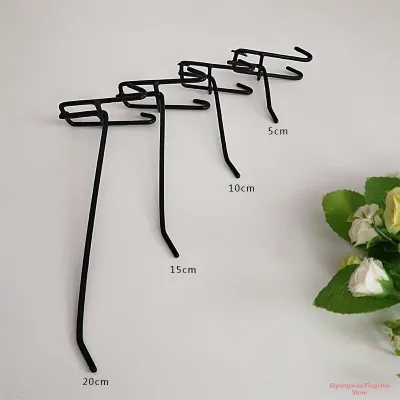
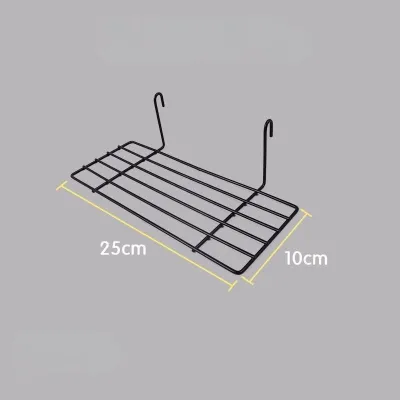
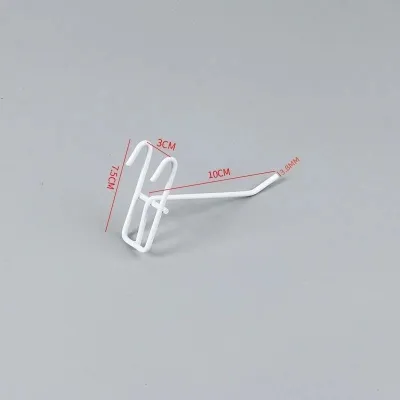
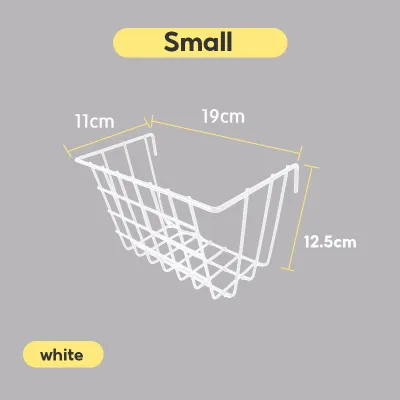
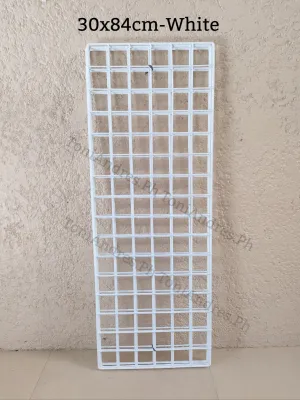
Prices are valid at publication and may change. Please refer to the product page for the latest price.
Finally, verify the condition of the floor where the rack will sit. Many residential floors are not perfectly level, which can cause a tall grid rack to wobble or lean dangerously once loaded. Check the floor levelness beforehand and confirm that the floor structure itself can support the concentrated weight of a fully loaded storage unit.
Estimate the Volume and Weight of Your Moving Items
To determine the physical capacity your grid rack must provide, start by grouping your packed belongings by their container sizes. Standardizing your moving boxes makes it much easier to estimate the total cubic volume you need to store. By visualizing how many small, medium, or large boxes you have, you can plan exactly how many shelves are required to hold them.

Next, separate your items by weight to ensure safe shelf distribution. Heavy items, such as books, kitchenware, and small appliances, must be placed on the lowest shelves to maintain a low center of gravity. Bulky but lightweight items, like extra linens, pillows, and plastic organizers, are ideal candidates for the higher tiers of your rack.
Do not forget to identify irregularly shaped objects that cannot fit into standard square or rectangular boxes. Items like electric fans, plastic basins, or folded outdoor furniture require wider shelves or deeper tiers. Knowing these dimensions in advance prevents you from buying a rack with shelves that are too narrow to accommodate your actual household goods.
Match Grid Rack Dimensions to Your Configuration Needs
Matching your grid rack dimensions to your actual inventory prevents storage failures and structural strain. Start by selecting a shelf depth that matches or slightly exceeds the depth of your largest standard moving box. This prevents dangerous overhang, which can cause boxes to slip off the edge or destabilize the entire rack structure.
When deciding on the height and the number of tiers, aim to maximize your vertical space without exceeding your safe physical reach. A rack that is too tall might tempt you to stack heavy boxes dangerously high, increasing the risk of accidents. If you plan to use the top shelves frequently, ensure they remain at a height you can comfortably access without straining.
Consider choosing modular or adjustable grid racks that feature customizable shelf heights. These systems allow you to adjust the spacing between tiers as your packing progresses and your box sizes vary, giving you the flexibility to adapt the layout to your changing needs. Look for units with clear adjustment mechanisms that do not compromise the overall stability of the frame.
When planning your ₱ budget, compare the cost-effectiveness and layout flexibility of using multiple smaller units versus a single large rack. Multiple smaller racks are often easier to transport through tight spaces, can be arranged in L-shapes to fit corners, and allow you to distribute weight more evenly across the room. A single large unit might offer more continuous shelf space but can limit your layout options in smaller rooms.
Common Sizing and Placement Mistakes to Avoid
One of the most common logistical errors during a lipat bahay move is failing to measure the entry pathways. Even if a grid rack fits perfectly in its designated room, it is useless if you cannot transport the assembled unit or its long frame pieces through narrow doorways, tight stairwells, or low elevator doors. Always measure your entire entry path before finalizing your purchase.
Another critical mistake is ignoring the manufacturer’s specified weight limits per shelf. Overloading a grid rack can lead to structural sagging, bent wire grids, or a catastrophic collapse of the entire unit. Always check the product labels or instruction manuals for the exact weight capacity and distribute your items evenly across the shelf surface rather than concentrating weight in the center.
In the humid tropical climate of the Philippines, placing a storage rack flush against a concrete wall can trap moisture and encourage mold growth on your cardboard moving boxes. Always leave a small gap between the rack and the wall to allow for adequate ventilation and regular moisture inspections. This simple placement adjustment helps protect both your furniture and your stored belongings from dampness.
Frequently Asked Questions (FAQ)
Can I adjust the shelf heights on a standard grid rack?
Yes, many standard grid racks feature modular designs that allow you to adjust the height of individual shelves. These systems typically use split sleeves, clips, or slots on the vertical support posts, allowing you to raise or lower each tier to match the height of your moving boxes. Always consult the manufacturer’s instruction manual to ensure you set the shelves within safe limits and lock the clips securely to maintain structural integrity.
How do I secure a grid rack to prevent tipping during a move?
To prevent a grid rack from tipping over, always place your heaviest boxes on the bottom shelves to establish a low center of gravity. If your rack is tall, top-heavy, or positioned in a high-traffic area, use wall anchors, safety straps, or anti-tip brackets to secure the frame directly to a wall stud. Ensure any anchoring method you choose complies with the manufacturer’s safety guidelines and is suitable for your specific wall material.

Community discussion
Share your experience or ask a question. Comments are reviewed before publication.