
Choosing the right hammock duyan depends entirely on your available space, structural limits, and local weather conditions. For a compact condo balcony, a space-saving hanging chair or a compact freestanding duyan with a folding stand is the most practical choice because it respects tight spatial boundaries and strict building regulations. In contrast, a spacious garden allows you to enjoy full-size gathered-end or spreader-bar hammocks suspended between mature trees, or heavy-duty wooden and metal stands that serve as permanent relaxation zones. Matching the style of your duyan to your specific outdoor layout ensures both safety and comfort without blocking essential walkways.
Assessing Your Outdoor Space and Installation Limits
Before purchasing any hammock duyan, you must measure your outdoor area and verify its structural capacity. Start by measuring the clear floor space, ceiling height, and walkway clearance of your intended setup area. A hammock that blocks a primary pathway or crowds other balcony furniture quickly becomes an obstacle rather than a retreat. Ensure you leave enough room to walk around the unit safely when it is both empty and occupied.
Condo residents must pay close attention to building administration rules before planning any installation. Many condominium associations strictly prohibit drilling into exterior walls, ceilings, or structural columns to preserve building integrity and uniform aesthetics. Hanging heavy items from balcony railings is also widely banned due to safety hazards. Always consult your property management office to review the building guidelines regarding outdoor furniture and structural modifications.
Products mentioned in this guide
![[BAZZAR] Portable Cotton Rope Outdoor Hammock Duyan](https://img.lazcdn.com/g/p/b19a47f5cfbe15c149ec7e1699df4a1a.jpg_400x400q80.jpg_.webp)

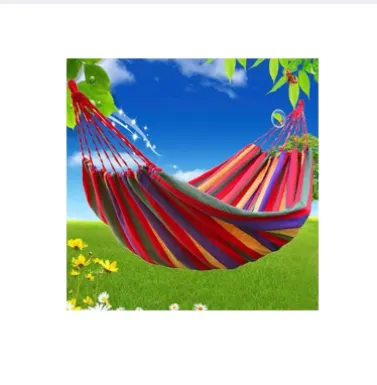

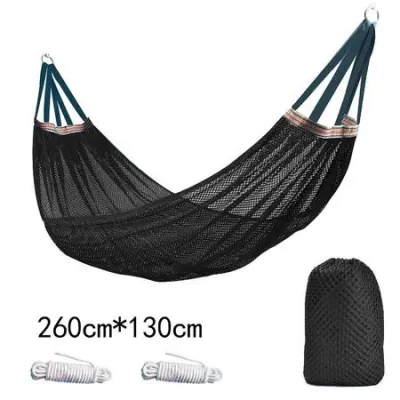
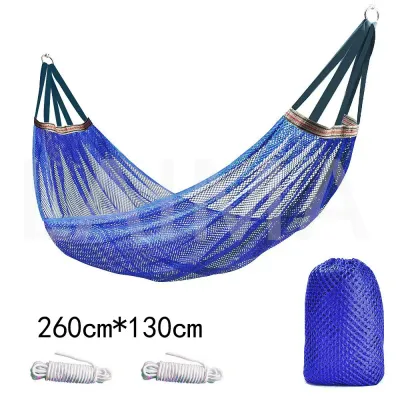
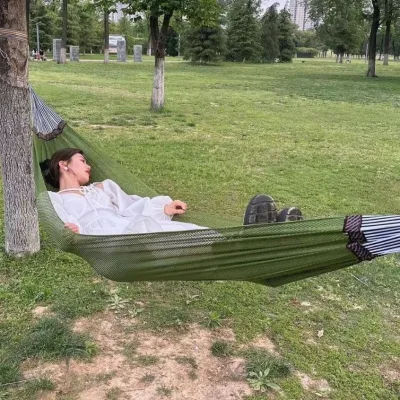
Prices are valid at publication and may change. Please refer to the product page for the latest price.
Weight capacity is another critical factor that requires careful verification. You must check the manufacturer specifications for any beam, tree strap, or included stand to confirm it can support the intended load. If you plan to anchor a duyan to an existing wooden beam or concrete ceiling, consult a qualified structural engineer or professional installer to assess the load-bearing capacity. Never assume a beam is safe for dynamic weight without a professional evaluation.
Best Hammock Duyan Styles for Small Condo Balconies
When space is limited, selecting the right style of hammock duyan is essential to keep your balcony functional and safe. Hanging chairs and egg-style duyans are excellent options for compact layouts because they require only a single overhead anchor point. By suspending the chair from a single point, you keep the surrounding floor space clear for small tables, plants, or foot traffic. This vertical orientation maximizes the utility of a narrow balcony footprint.

If your building administration prohibits drilling or overhead hanging, a compact freestanding hammock with a folding stand offers a reliable alternative. These standalone units do not require permanent structural modifications and can be positioned wherever space permits. Before purchasing, carefully verify the footprint dimensions of the stand against your actual balcony floor measurements. Look for models with rubberized feet to prevent sliding on tiled balcony floors and to protect the surface from scratches.
It is best to avoid wide spreader-bar hammocks on narrow condo balconies. Spreader bars keep the hammock fabric permanently flat and wide, which can easily block narrow walkways or extend dangerously close to balcony railings. A wide swing path in a confined space increases the risk of colliding with walls, glass doors, or railings. Opting for more compact, vertically oriented designs ensures a safer and more relaxing experience in tight spaces.
Ideal Hammock Duyan Options for Spacious Gardens
A spacious garden opens up a wider variety of hammock duyan styles, allowing you to focus on maximum comfort and larger layouts. Traditional gathered-end or spreader-bar hammocks are classic choices that provide a generous area for stretching out. These styles require two sturdy anchor points, such as mature, healthy trees or dedicated structural posts. When planning this setup, always follow the manufacturer’s guidelines regarding the recommended distance and height for the anchor points to ensure proper tension and ground clearance.
For gardens without suitable trees, large freestanding hammocks with heavy-duty wooden or metal stands offer an excellent solution. These stands provide a stable, permanent placement for your duyan without requiring any structural modifications to your property. Heavy-duty wooden frames add a natural, rustic aesthetic that blends seamlessly with garden landscapes, while powder-coated metal stands offer a sleek, modern look. Ensure the stand is placed on level ground, such as a flat lawn, paved patio, or decking, to maintain stability during use.
If your garden layout permits, you might also consider multi-person or family-sized duyans. These larger models require wider clearance zones and robust anchor points to handle the increased weight and physical footprint. When installing a multi-person setup, double-check the load capacity of your straps, hardware, and support structures. Providing ample clearance around the entire perimeter of the hammock prevents accidental contact with nearby garden features, trees, or landscaping rocks.
Material and Weather Checks for Outdoor Use
The tropical climate in the Philippines presents unique challenges for outdoor furniture, making material selection a priority. High humidity, intense sunlight, and heavy seasonal rains can quickly degrade low-quality fabrics and frames. When shopping for a hammock duyan, review the manufacturer labels specifically for UV resistance, water repellency, and quick-dry properties. Synthetic fabrics like polyester or specially treated canvas are often preferred for outdoor use because they resist fading and dry much faster than standard cotton.
Frame materials also require close inspection to ensure they can withstand outdoor exposure. Look for powder-coated steel, treated wood, or rust-resistant aluminum frames, and verify that the manufacturer explicitly rates them for outdoor environments. A simple paint coating is rarely enough to prevent rust in humid conditions, so check for specialized protective finishes. Inspect the joints, welds, and hardware for any signs of exposed metal that could invite corrosion over time.
Even high-quality outdoor materials benefit from proactive care during extreme weather events. Plan to use removable cushions that can be easily brought indoors when rain is forecast. Investing in breathable, weather-resistant storage covers helps protect the frame and fabric from dust, moisture, and debris. During typhoons or prolonged periods of heavy rain, it is best to dismantle the duyan entirely and store it in a dry, indoor space to prolong its lifespan.
Cross-Space Compatibility and Storage
If you live in a home with both a balcony and a garden, or if you anticipate moving in the future, versatility is a valuable feature. Some hanging chairs feature detachable stands that allow you to move the unit easily between different areas. You can enjoy the shaded comfort of your garden during dry afternoons and move the chair to your covered balcony when the weather turns damp. Checking the weight and assembly steps of the stand will help you determine how easy it is to transport.
Easy storage is also crucial when you need to reclaim your balcony space for social gatherings or household chores. Look for freestanding stands that feature folding mechanisms or quick-release pins for rapid disassembly. Many manufacturers include dedicated storage bags that keep the disassembled frame parts and fabric organized and protected. Compact storage options make it simple to tuck the duyan away in a closet or utility room when it is not in use.
Before storing your hammock duyan for an extended period, establish a thorough cleaning and drying routine. Wash the fabric according to the manufacturer’s care instructions to remove sweat, dirt, and outdoor debris. Ensure the fabric and ropes are completely dry before packing them away, as even a small amount of trapped moisture can lead to mold, mildew, and unpleasant odors. Storing the clean, dry duyan in a cool, well-ventilated indoor space ensures it remains in excellent condition for the next sunny day.
Frequently Asked Questions (FAQ)
Can I hang a hammock duyan on a condo balcony ceiling?
Hanging a duyan from a condo balcony ceiling requires strict adherence to building rules and structural safety. First, check with your condominium association, as most buildings prohibit drilling into structural concrete ceilings or slabs. If permitted, you must consult a qualified structural engineer or professional installer to verify the ceiling’s load-bearing capacity. Always use heavy-duty, corrosion-resistant anchors specifically rated for dynamic loads, and never attempt to install them on decorative panels or false ceilings.
How much clearance do I need around a freestanding hammock stand?
To ensure safe use, you should maintain a clear zone around your freestanding hammock stand. Start by checking the manufacturer’s recommended clearance guidelines, which typically suggest leaving at least one to two meters of open space on all sides of the stand’s base. This clearance prevents the hammock from hitting balcony railings, walls, glass doors, or outdoor furniture during use. Ensure the swing path remains completely clear of any sharp objects or obstacles to prevent accidents.

Community discussion
Share your experience or ask a question. Comments are reviewed before publication.