
Choosing the right hanging wall shelf organizer for your study room requires balancing available wall space, structural load capacity, and your specific storage needs. A successful choice ensures your books and materials are organized without compromising safety or spatial flow. By systematically evaluating your room layout, wall composition, and material options, you can select a shelving system that enhances productivity while keeping your study environment safe and clutter-free.
Assess Available Wall Space and Room Layout
Before browsing designs, you must measure the physical limits of your study room. Use a steel tape measure to find the exact width and height of the target wall area. Map out potential obstacles that could interfere with the shelf. In many homes, wall-mounted air conditioning units, window frames, door swings, and light switches restrict where you can safely mount furniture.
Ergonomics and movement clearances are equally critical in a compact study room. A hanging wall shelf organizer should never obstruct your daily workflow. Calculate both the horizontal and vertical clearances around your desk. If you use a reclining or rotating office chair, ensure the shelf sits far enough away from the chair’s maximum movement arc. Headspace is another vital factor; if you mount the shelf directly above your workspace, position it high enough that you will not bump your head when standing up or leaning forward.
Products mentioned in this guide
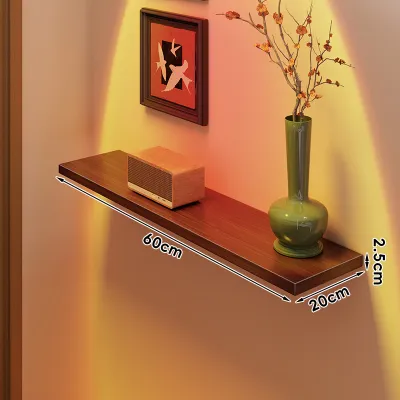
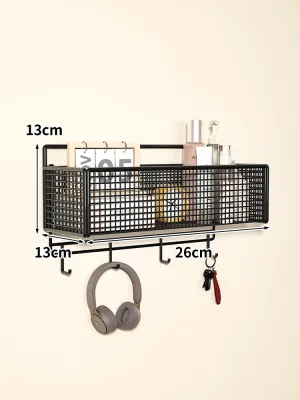
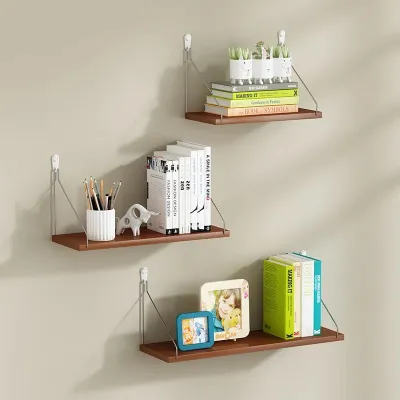
Prices are valid at publication and may change. Please refer to the product page for the latest price.
Lighting plays a massive role in study room comfort. Deep shelves mounted directly above a desk can block ambient light from ceiling fixtures or windows, casting dark shadows across your writing or typing area. Evaluate your natural light sources and the placement of desk lamps. If you plan to install deep shelves, you may need to offset their placement or plan to install under-shelf LED strip lights to keep your workspace bright and comfortable.
Diagnose Wall Types and Weight Capacity Limits
Identifying your wall type is the single most critical safety step before purchasing any wall-mounted furniture. In the Philippines, residential walls are typically built from solid poured concrete, hollow concrete blocks finished with plaster, or lightweight drywall and gypsum board over metal or wooden studs. Each material fundamentally affects how much weight your shelf can safely hold.

There is a critical distinction between the shelf’s rated weight capacity and the wall’s actual holding power. A manufacturer may state that a hanging wall shelf organizer can support 20 kilograms, but that rating is only valid if the wall and the mounting hardware can support that load. The safe operating limit is always the lower of these two values. Overestimating this limit can lead to severe wall damage or falling hazards.
To ensure a secure mount, you must match your wall anchors and screws precisely to your wall material.
- Solid Concrete or Concrete Blocks: These walls offer excellent structural integrity but require heavy-duty masonry drilling. Use high-quality plastic wall plugs or heavy-duty steel expansion bolts.
- Drywall or Gypsum Board: These walls are much lighter and cannot support heavy loads on their own. You must use specialized toggle bolts or heavy-duty drywall anchors, and ideally, screw the mounting brackets directly into the underlying wooden or metal studs.
Always check the manufacturer’s installation manual for the exact hardware requirements and weight limits. If your wall type is unknown, shows signs of cracking, moisture damage, or crumbling plaster, or if your intended load of heavy textbooks exceeds standard residential limits, do not proceed. Stop and consult a qualified professional or a structural engineer to assess the wall’s integrity and perform the installation safely.
Identify Storage Needs and Required Shelf Dimensions
To choose the right shelf dimensions, inventory the specific items you intend to store. Categorize your study materials by weight and size. Heavy academic textbooks, reference manuals, and filled binders require deep, sturdy shelves with robust support. Lightweight items like notebooks, stationery holders, small plants, or decorative frames can sit on shallower shelves. If you plan to store loose items, pens, or round objects, look for organizers with integrated lip guards or raised edges to prevent items from rolling off.
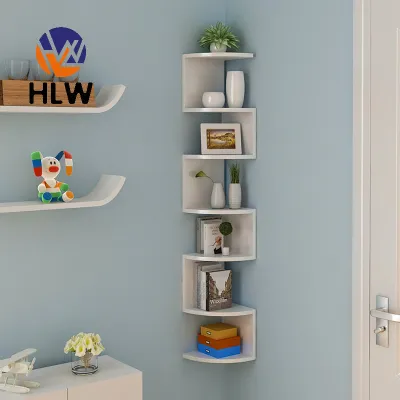
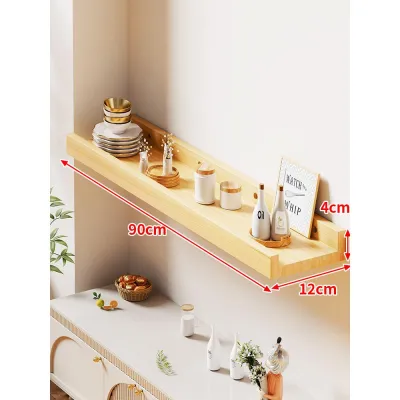
Compare different structural designs to match your storage volume. Single floating shelves offer a minimalist look, ideal for a few curated books or decorative items. Multi-tier units provide stacked vertical storage, maximizing vertical space without taking up more horizontal wall area. Modular cube organizers offer defined compartments, which are excellent for sorting different subjects, files, or storage baskets.
Check the internal dimensions of the shelf against standard paper and binder sizes. Study materials often use A4, letter, or legal paper sizes. Ensure the shelf depth (typically 20 to 30 centimeters) and the vertical clearance between multi-tier shelves can comfortably accommodate your tallest binders or textbooks standing upright.
Plan for future growth. A study room’s storage needs almost always increase over time. Choosing a modular system or leaving some empty space on your shelves prevents immediate overcrowding and helps maintain a clean, distraction-free study environment.
Select Materials and Finishes for Your Study Environment
The choice of material dictates both the shelf’s weight and its long-term durability. Solid wood offers exceptional strength and classic appeal but is heavy and requires secure anchoring. Engineered wood, such as MDF or particle board with a laminate finish, is lighter and more affordable, but it must be checked for quality edge banding to prevent sagging. Metal shelves provide an industrial look and excellent weight capacity, while acrylic shelves offer a modern, lightweight, and visually unobtrusive option for light items.
In tropical climates, high humidity levels can affect furniture materials over time. Unsealed engineered wood can absorb moisture from the air, leading to swelling or warping. Inspect the surface finishes and ensure all edges are completely sealed with robust edge banding. Always check the product’s care labels and manufacturer specifications for specific guidance on humidity resistance and cleaning.
Prices for these materials vary widely in the local market. Budget-friendly engineered wood options typically range under ₱1,500, while premium solid hardwood or heavy-duty metal modular systems can exceed ₱5,000.
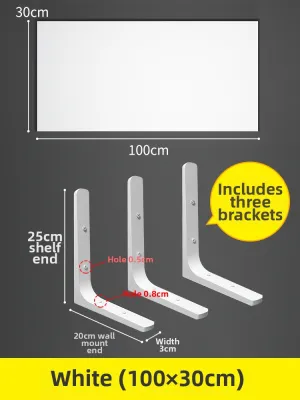
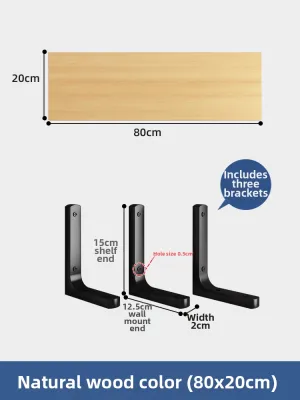
Consider how the shelf is supported. Hidden internal brackets provide a clean, floating aesthetic but place a higher demand on precise installation and wall strength. Visible external L-brackets or decorative metal frames distribute the load over a larger wall surface area, offering superior stability and making them a safer choice for heavier book collections.
Verify Installation Readiness and Safety Boundaries
Successful installation requires the right tools. Before finalizing your purchase, verify that you have access to a power drill, masonry or wood drill bits, a reliable spirit level to prevent sloping, a stud finder (if installing on drywall), a hammer, and a screwdriver. Using the wrong drill bit or guessing if the shelf is level can damage your wall and compromise safety.
If you are renting an apartment or living in a managed condominium, check your lease agreement or consult the building administration rules. Many properties strictly prohibit drilling deep holes into walls or structural concrete columns.
Only proceed with a DIY installation if you have the required tools, clear instructions, and confidence in your wall type. If structural drilling is restricted by your landlord, if you lack the necessary tools, or if the installation manual seems too complex, look for professional installation services. Alternatively, pivot to freestanding bookcases, ladder shelves, or leaning desk units that do not require deep wall drilling.
Frequently Asked Questions (FAQ)
Can I install a hanging wall shelf on a tiled wall in my study area?
Drilling through tiled walls carries a high risk of cracking or shattering the tiles. If your study area shares a tiled wall, you must use specialized carbide-tipped or diamond masonry drill bits and run the drill at a slow speed without the hammer action. Crucially, the wall anchor must penetrate completely through the tile and adhesive layers to grip the solid concrete or wall structure behind it; relying on the tile layer alone to hold weight is unsafe.
How do I prevent my floating shelf from sagging over time?
To prevent bowing or sagging, strictly adhere to the manufacturer’s maximum weight limits and distribute the weight evenly across the shelf surface. Place your heaviest items, such as thick textbooks or heavy binders, closest to the wall and directly over the mounting brackets or wall studs. If you have a wide shelf (typically over 80 centimeters), consider installing an additional middle support bracket to reinforce the center and prevent long-term sagging.

Community discussion
Share your experience or ask a question. Comments are reviewed before publication.