
Choosing the right hanging wooden shelf for your home office requires a careful balance of spatial planning, structural assessment, and functional design. A well-chosen shelf not only expands your storage but also enhances your productivity by keeping essential tools within arm’s reach. Making the best choice requires evaluating your wall type, measuring your available space, and matching the shelf’s weight capacity to the items you plan to store.
Quick Guide to Sizing Your Hanging Wooden Shelf
Selecting the perfect shelf begins with three core decision pillars: spatial measurement, load requirements, and wall compatibility. Before browsing online marketplaces or local furniture shops, you must understand how much weight your walls can support and how much physical space you have available.
Checking the manufacturer’s product specifications is a critical first step. You need to verify the exact dimensions and recommended weight limits of the shelf unit. At the same time, assess your room’s environmental conditions, such as local humidity levels, which can affect wood stability over time.
Products mentioned in this guide
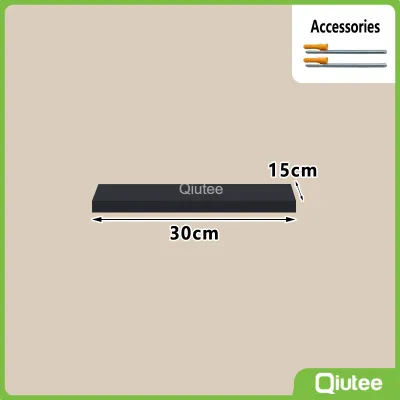
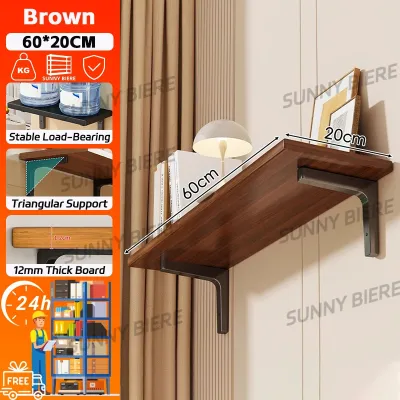
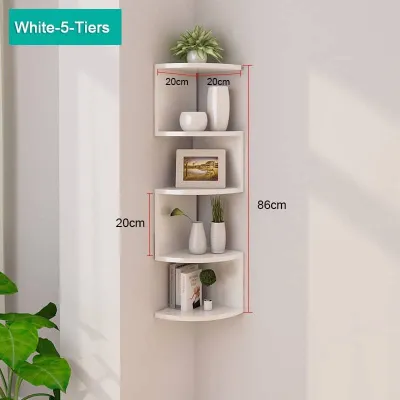
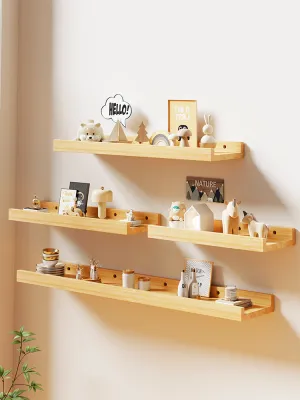
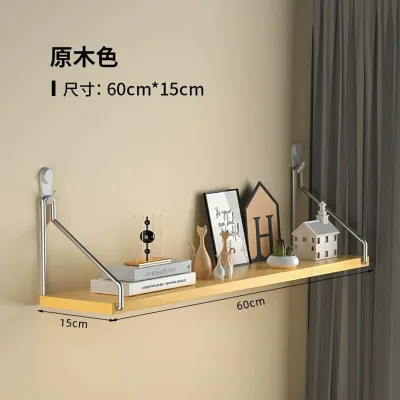
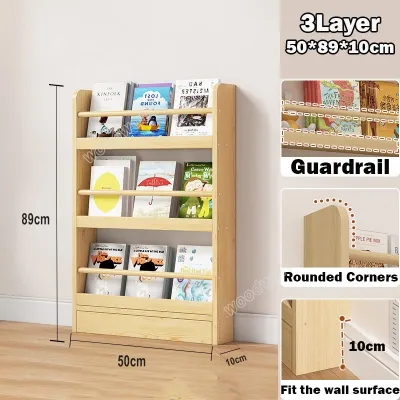
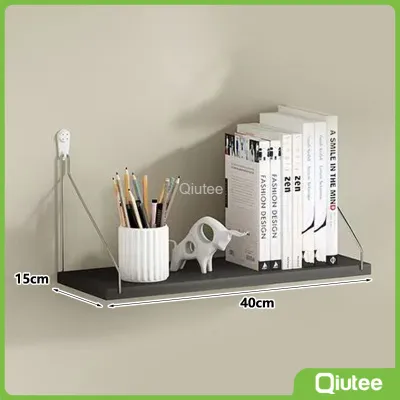
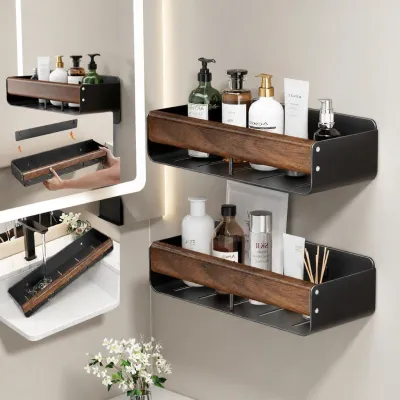
Prices are valid at publication and may change. Please refer to the product page for the latest price.
Assessing Your Wall Space and Layout
Ensuring your shelf fits seamlessly into your home office starts by measuring the available wall width, depth, and vertical clearance. Use a reliable measuring tape to map out the exact footprint the shelf will occupy. Be sure to account for the height of your desk, the movement of your office chair, and the general walking paths in the room.

Next, identify any potential obstacles on or near the wall. Look closely for power outlets, light switches, window frames, or wall-mounted air conditioning units. Blocking these features can make your office less functional and may create safety hazards during installation.
Ergonomics should also guide your placement decisions. Position the shelf at a height that allows you to reach frequently used items without straining or bending awkwardly. Ensure the shelf is high enough or recessed enough to avoid head-bumping hazards when you stand up from your desk.
Matching Shelf Dimensions to Your Storage Needs
The depth and length of your hanging wooden shelf should directly reflect what you intend to store. Shallow shelves, typically ranging from 15 to 20 centimeters deep, are ideal for lightweight items like notebooks, small decorative plants, or framed photos. These compact designs keep your workspace feeling open and airy.
For heavier or bulkier items, such as reference books, binders, or small printers, you will need deeper shelves of 25 to 30 centimeters or more. Deeper shelves provide the necessary surface area to keep larger objects stable and prevent them from overhanging or falling.
Before purchasing, estimate the total linear footage of storage you require. Lay out your books and office supplies on a table to measure how much horizontal space they occupy. This exercise helps you decide whether a single long board, a multi-tier shelving unit, or a modular arrangement of smaller floating units will best serve your daily workflow.
Evaluating Weight Capacity and Wall Compatibility
Safety is paramount when mounting furniture on your home office walls. Always read the manufacturer’s weight limits carefully, keeping in mind that these ratings assume proper installation. It is vital to distinguish between the structural strength of the wood itself and the load-bearing capacity of the mounting hardware and wall.
In many homes, especially in tropical regions like the Philippines, walls are constructed from solid concrete or masonry. Concrete walls offer excellent load capacity but require specialized masonry drill bits and heavy-duty wall anchors. If your office has drywall or plaster walls, you must locate the wooden studs behind the wall to secure the mounting brackets safely.
Never rely solely on drywall anchors for heavy loads like textbooks or office equipment. If you cannot locate studs, or if your wall material feels crumbly or unstable, it is best to stop the installation. Consult a professional carpenter or contractor to assess your wall conditions and recommend the safest mounting strategy.
Design and Material Considerations for Home Offices
The material and finish of your shelf play a major role in both its durability and its visual appeal. When selecting wood types, look for options that are treated or finished to withstand daily wear and tear. Check the quality of the joints and the smoothness of the protective topcoat, as these factors determine how well the shelf resists scratches and moisture.
The style of the mounting brackets also influences the overall aesthetic of your workspace. Floating shelves offer a clean, minimalist look by hiding the support hardware inside the wooden board. Exposed metal brackets, on the other hand, can add an industrial or rustic charm while providing visible, robust support.
Finally, examine the edge profiles and surface treatments of the shelf. Smooth, rounded edges prevent accidental snags on your clothing or damage to delicate paper documents. A high-quality, sealed surface also makes dusting and cleaning much easier, ensuring your workspace remains tidy and professional.
Pre-Purchase and Installation Safety Checks
Before finalizing your purchase, perform a quick safety audit. Verify that the included mounting hardware matches your specific wall type. Many shelves come with standard screws that may not be suitable for concrete or hollow brick walls, requiring you to purchase separate anchors.
Do not forget to measure your home’s entryways, hallways, and doorways. Ensure the packaged shelf can easily clear these spaces to reach your home office without damaging your walls or the product packaging.
During installation, always follow the manufacturer’s step-by-step assembly instructions. Use the recommended safety gear, including protective eyewear and a dust mask, especially when drilling into concrete or masonry. Taking these precautions ensures a secure, long-lasting setup.
Frequently Asked Questions (FAQ)
Can I install a hanging wooden shelf in a rented apartment?
Installing wall-mounted furniture in a rental property requires careful consideration of your lease agreement. Most landlords have strict rules regarding drilling holes into walls, especially concrete or structural partitions. Always review your contract or ask for written permission before starting any installation.
If drilling is prohibited, look for alternative storage solutions like freestanding bookcases or desk-mounted organizers. If you do receive permission to drill, ensure you have a plan to patch, sand, and repaint the holes when it is time to move out.
How do I protect wooden shelves from humidity damage?
High humidity, which is common in tropical climates, can cause natural wood to warp, swell, or develop mold over time. To protect your shelf, look for signs of moisture damage, such as slight bending, sticky surfaces, or discoloration.
To maintain your wooden shelves, keep your home office well-ventilated by using ceiling fans, air conditioning, or dehumidifiers. Wipe the wood regularly with a dry microfiber cloth, and avoid placing wet items, like unglazed ceramic pots or damp cups, directly on the surface.

Community discussion
Share your experience or ask a question. Comments are reviewed before publication.