
To choose the right headboard cushion size, you must match the cushion’s width to the actual outer dimensions of your bed frame—not just the mattress—while accounting for your room’s vertical clearance and installation method. For a single bed, this typically means a cushion width of around 90 to 100 centimeters, while a double bed generally requires a width of 120 to 140 centimeters. However, because bed frame designs vary widely, taking precise measurements of your specific setup is the only way to ensure a seamless fit that provides comfortable back support without crowding your bedroom.
In tropical climates like the Philippines, where high humidity can affect how materials sit against walls, choosing the correct cushion size also helps maintain proper airflow behind the bed. A well-fitted headboard cushion transforms a basic bed frame into a comfortable lounge space, but an incorrect size can lead to slipping, awkward gaps, or blocked electrical outlets. By focusing on physical measurements, visual proportions, and mounting compatibility, you can select a cushion that enhances both your comfort and your bedroom’s layout.
Measure Your Bed Frame and Wall Space
To find the ideal headboard cushion, you must first establish the exact physical boundaries of your sleeping area. Many homeowners make the mistake of looking up standard mattress sizes online and assuming their bed frame matches those dimensions. In reality, wooden, upholstered, or metal frames often extend several centimeters beyond the mattress on all sides. Use a metal measuring tape to record the absolute outer width of your bed frame from the left edge to the right edge. This measurement serves as your primary baseline for a flush, integrated look.
Products mentioned in this guide

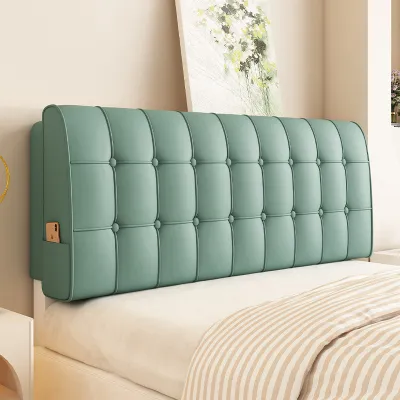
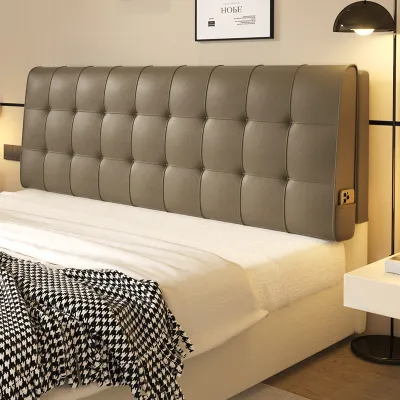
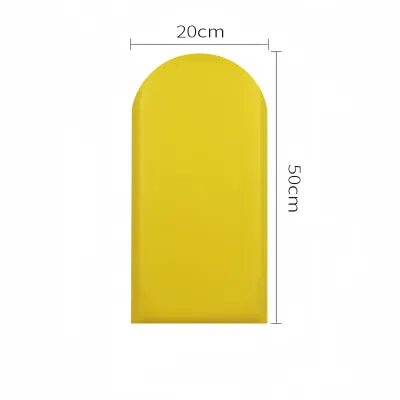
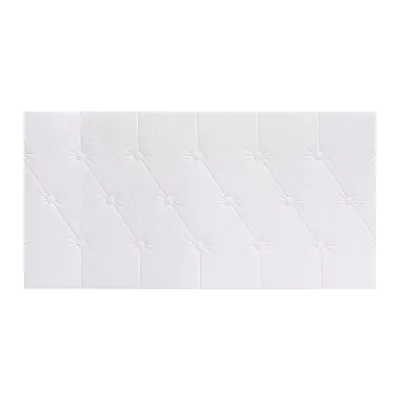
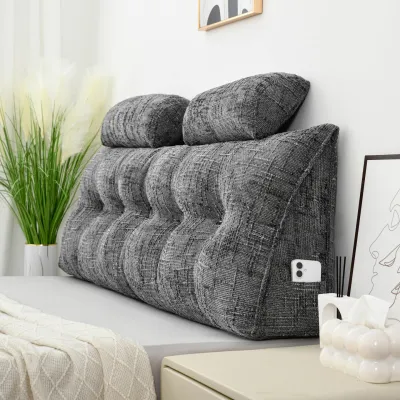
Prices are valid at publication and may change. Please refer to the product page for the latest price.
Next, assess the vertical space directly above your mattress. Measure from the top surface of your mattress upward to any permanent fixtures on the wall. In compact urban condos or traditional homes, this vertical clearance might be restricted by low ceilings, overhead storage shelves, decorative wall moldings, or wall-mounted air conditioning units. Knowing this height limit prevents you from buying a tall cushion that crowds these fixtures or blocks the airflow from your cooling system.
Horizontal wall limits are equally critical when planning your layout. Examine the wall space on either side of your bed frame, looking for nearby windows, sliding balcony doors, hanging curtains, or built-in wardrobe doors that swing outward. If your bedroom features a tight layout, a cushion that is wider than the bed frame might overlap with window frames or prevent closet doors from opening fully. Mark these physical boundaries clearly before browsing product listings.
Choose Your Coverage Style and Visual Proportions
Once you have your physical measurements, you can decide how much of the wall or headboard area you want the cushion to cover. The most common approach is full-width coverage, where the cushion matches the exact outer width of your bed frame. This style creates a clean, streamlined silhouette that makes the cushion look like an original, built-in part of the bed. It is highly recommended for modern, minimalist bedrooms where clean lines and balanced proportions are preferred.

If you want to make a bold design statement, you might consider an extended or oversized width. An oversized cushion extends several centimeters beyond the left and right edges of the bed frame, serving as a broad visual anchor for the entire room. This style works exceptionally well in spacious bedrooms with high ceilings, as it draws the eye horizontally and makes the sleeping area feel grander. However, this approach requires verifying that you have ample empty wall space on both sides of the bed to accommodate the extra width without crowding your bedside tables.
Alternatively, you can opt for partial or pillow-width coverage. This minimalist style involves choosing a cushion that aligns only with your standard sleeping pillows rather than the entire width of the bed frame. For a single bed, this might mean a single compact cushion, while a double bed might feature two separate, smaller cushions placed side-by-side. This setup is highly practical if you have large, decorative bedside tables that sit close to the mattress, as it prevents the cushion from interfering with table lamps or alarm clocks.
Check Installation Requirements and Clearances
The physical dimensions of your headboard cushion must align perfectly with how you plan to attach it to your bed or wall. If you are choosing a slipcover or strap-on style, the cushion is designed to slide over or buckle onto an existing wooden or metal headboard. For these models, you must measure not only the height and width of your current headboard but also its thickness. A cushion with straps that are too short will pull tight and bulge, while one that is too loose will slide around every time you lean back.
Wall-mounted panels offer more flexibility in terms of custom sizing, but they require careful preparation of the wall surface. These panels are often secured using mounting brackets, French cleats, or heavy-duty hanging hardware. Before choosing a large, heavy panel, verify that your wall can support the weight and that you can drill mounting holes without hitting hidden electrical conduits or water pipes. This is especially important in concrete or masonry walls common in local residential construction, where drilling requires specific tools and anchors.
For lightweight setups, adhesive or hook-and-loop fastening options are highly popular because they do not require drilling. However, these adhesive strips have strict weight and surface area limits that are heavily influenced by local environmental conditions. In warm, humid tropical climates, adhesive backings can degrade over time if the cushion is too heavy or if the wall surface is textured or dusty. If you choose a thick, high-density foam cushion, ensure the contact surface area is large enough to distribute the weight evenly, and check the manufacturer’s instructions regarding maximum weight limits for adhesive mounting.
Common Sizing Mistakes to Avoid
One of the most frequent errors when shopping for a headboard cushion is confusing mattress width with bed frame width. Standard mattress sizes are uniform, but bed frames—especially those with decorative wooden borders, built-in storage drawers, or thick upholstery—can be significantly wider. If you purchase a cushion based solely on your mattress dimensions, you may find that the cushion leaves the outer edges of the bed frame exposed, creating an awkward, unfinished look. Always measure the frame itself to ensure complete coverage.
Another common oversight is ignoring the thickness or depth of the cushion. While a thick, plush cushion offers excellent comfort for sitting up, it also pushes your mattress and bed frame further away from the wall. In a small bedroom, this extra depth can reduce valuable walking space at the foot of the bed or prevent nearby wardrobe doors and dresser drawers from opening fully. Be sure to factor the cushion’s thickness into your overall room layout before making a final decision.
Finally, many homeowners overlook the visual proportion between the cushion’s height and the room’s ceiling height. A very tall cushion in a room with low ceilings can dominate the space, making the entire bedroom feel cramped and claustrophobic. Conversely, a tiny, low-profile cushion on a high wall can look lost and insignificant. Aim for a balanced ratio where the height of the cushion complements both the scale of your bed and the vertical volume of your room.
Frequently Asked Questions (FAQ)
Can I use a double bed headboard cushion on a single bed?
Yes, you can use a double bed headboard cushion on a single bed, but it requires careful planning of your wall space and layout. Because a double cushion is significantly wider than a single bed frame, it will overhang the sides of the bed by several centimeters. To make this look intentional, center the single bed against the cushion and use the excess width to frame small bedside tables or floating shelves. This setup can create a cozy, daybed-style alcove, provided you have enough clear wall space and your room layout allows for the extra width.
What thickness is best for reading or sitting up in bed?
For comfortable back support while reading or sitting up, a cushion thickness of 5 to 10 centimeters is generally ideal. Thinner decorative panels under 5 centimeters offer minimal cushioning and serve primarily an aesthetic purpose. Thicker options made from high-density foam provide firm support that prevents you from feeling the hard wall or headboard behind you. However, keep in mind that thicker cushions will push your bed further into the room, so you must verify that your bedroom has sufficient walking clearance at the foot of the bed.

Community discussion
Share your experience or ask a question. Comments are reviewed before publication.