
Setting up a dedicated beauty and grooming station in your bedroom does not require a specialized, expensive vanity table. Many homeowners find that converting a standard drawer cabinet offers superior storage capacity and greater layout flexibility. To choose the right model, you must balance your available floor space, the volume of your cosmetics collection, and the physical height of your seating.
Quick Answer: How to Match Your Vanity Needs to the Right Cabinet Profile
To set up a functional bedroom vanity using an IKEA drawer cabinet, you must first identify your primary constraint: space, storage volume, or surface area.
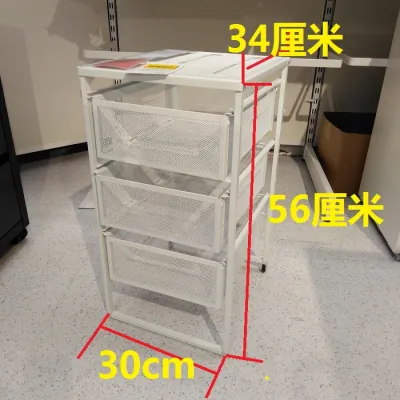
- Space-Constrained Profile: If your bedroom has limited floor space, a narrow, vertical chest of drawers is the most efficient choice. These units maximize vertical storage while keeping the floor footprint minimal.
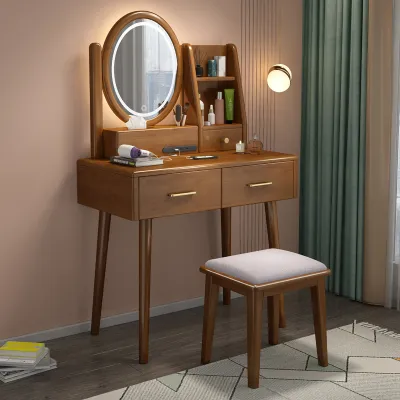
- Storage-Heavy Profile: For those with extensive cosmetic collections requiring deep storage, a medium-sized chest with varied drawer depths offers the best balance. These accommodate bulky hair styling tools, large organizer bins, and extensive collections.
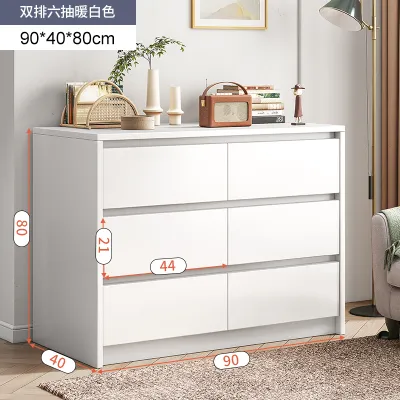
- Surface-Area Focused Profile: If your priority is a spacious workspace for mirrors, lighting, and daily routines, a wide, low-profile double dresser is the ideal foundation. These provide an expansive top surface that easily accommodates large tabletop mirrors, vanity lighting, and active workspace.
Before making a final decision, always verify the exact dimensions and current local stock on the official IKEA Philippines website, as availability can vary by location.
Products mentioned in this guide



Prices are valid at publication and may change. Please refer to the product page for the latest price.
Key Dimensions to Check Before Buying an IKEA Drawer Cabinet
Converting a standard piece of bedroom furniture into a specialized grooming station requires careful physical planning. Unlike dedicated vanity tables, drawer cabinets are designed primarily for clothing storage, meaning their proportions may not automatically align with ergonomic seating or vanity accessories.

Surface Depth and Width The top surface of your chosen cabinet must accommodate your daily essentials without feeling cluttered. Measure the depth from the front edge to the back wall. A surface depth of at least 40 to 50 centimeters is recommended if you plan to place a freestanding tabletop mirror, brush holders, and makeup organizers. If the surface is too narrow, you may find yourself knocking over items during your morning routine. Width is equally important; a wider surface allows you to spread out your cosmetics and provides comfortable elbow room while applying makeup.
Height Considerations Standard bedroom dressers typically range from 75 to over 100 centimeters in height. This is generally taller than traditional vanity tables, which are designed for seated use. If you prefer to sit while getting ready, compare the cabinet’s height to your seating. A standard chair or stool requires sufficient clearance for your knees. If you select a taller chest of drawers, you may need to pair it with an adjustable-height stool or plan to use the vanity while standing.
Drawer Depth and Internal Layout Cosmetics, skincare bottles, and hair styling tools all have different storage requirements. Shallow drawers are highly efficient for small items like lipsticks, eyeshadow palettes, and brushes, as they prevent items from getting buried. Deeper drawers are necessary for standing up tall toner bottles or storing bulky items like hair dryers and curling irons. Before purchasing, check the internal drawer measurements listed in the product specifications to ensure your storage bins and organizers will fit.
Weight Capacity and Material Limits Vanity setups often involve heavy items, including large glass mirrors, heavy acrylic organizers, and multiple lighting fixtures. Because many drawer cabinets are constructed from engineered wood, particle board, or fiberboard, they have specific weight limits. Overloading the top panel can cause it to sag or bow over time, which can damage the drawer runners below. Always check the manufacturer’s maximum load capacity for the top surface to ensure it can safely support your planned setup.
Evaluating Cabinet Layouts by Bedroom Space and Storage Needs
Selecting the right cabinet layout requires balancing your bedroom’s physical footprint with your storage requirements. A large dresser offers excellent storage but can make a small bedroom feel cramped and restrict movement.
To find the right balance, consider how the cabinet will interact with the rest of your room. A vertical chest of drawers utilizes height to provide storage, making it an excellent choice for tight corners. However, this setup limits your top surface area, meaning you will likely need to mount your mirror on the wall and use vertical organizers. Conversely, a horizontal double dresser provides a generous workspace and a luxurious feel, but it requires a long, unobstructed wall and reduces the remaining floor space in your bedroom.
Before purchasing, use this checklist to measure your intended bedroom corner:
- Wall Clearance: Measure the width of the wall space, keeping in mind the location of baseboards, electrical outlets, and light switches.
- Drawer Extension: Ensure there is at least 60 to 80 centimeters of open space in front of the cabinet so you can fully extend the drawers without hitting your bed or other furniture.
- Seating and Walkway Space: If you plan to use a stool, verify that you can pull it out and sit comfortably without blocking the main walkway or bedroom door.
Compact Solutions for Small Bedrooms
For smaller bedrooms or shared spaces, a narrow drawer cabinet is a highly efficient way to create a dedicated vanity. These units typically feature a small footprint but offer multiple drawers stacked vertically, allowing you to organize your cosmetics by category without taking up valuable floor space.
To maximize a compact setup, pair a narrow cabinet with a wall-mounted mirror instead of a tabletop version. This frees up the entire top surface for your active makeup routine. You can also utilize vertical wall organizers, floating shelves, or adhesive containers on the side of the cabinet to hold brushes and frequently used products.
When using a tall, narrow cabinet, stability is a critical consideration. Because these units have a higher center of gravity and a smaller base, they are more susceptible to tipping, especially when multiple drawers are opened at once. Ensure the unit is placed on a flat, level surface and is not positioned in a high-traffic area where it could be easily bumped.
Wide Surface Areas for Extensive Makeup Collections
If you have a large collection of cosmetics, skincare, and hair tools, a wide, low-profile drawer cabinet provides the expansive storage and workspace you need. These horizontal units offer a broad top surface that can easily accommodate a large Hollywood-style mirror, professional lighting, and multiple organizer trays.
To keep a large drawer system organized, utilize modular drawer inserts, shallow trays, and dividers. This prevents small cosmetic items from rolling around and shifting when the drawers are opened and closed. Grouping your products by category—such as skincare, face makeup, and eye products—makes your daily routine much faster and more enjoyable.
Before purchasing a wide cabinet, it is essential to verify the delivery and assembly path in your home. Measure your doorways, hallways, and stairwells to ensure the flat-packs or assembled pieces can be safely transported to your bedroom. Large, heavy furniture pieces require careful handling and sufficient clearance to avoid damaging your walls or the product itself.
Essential Setup and Safety Checks for Vanity Conversions
Converting a standard drawer cabinet into a safe, functional vanity requires a few essential installation steps. Taking the time to properly secure and protect your furniture ensures it remains a safe and durable part of your bedroom.
Anchoring Requirements The most critical safety step when installing any drawer cabinet is anchoring it securely to the wall. When multiple drawers are pulled out, or when heavy items are placed near the front of the drawers, the center of gravity shifts forward, creating a severe tip-over hazard. This risk is even higher if you lean on the cabinet while applying makeup. Always use the tip-over restraint hardware included with your cabinet. Ensure you use the correct wall anchors and screws for your specific wall type, whether it is concrete, drywall, or wood.
Surface Protection The top surface of your cabinet will be exposed to daily wear, moisture, and heat. In tropical climates with high humidity, moisture from spilled toners, liquid foundations, or facial mists can seep into the seams of engineered wood, causing the material to swell or peel. Additionally, hot styling tools like curling irons and straighteners can easily scorch or melt plastic laminate finishes. To protect your investment, check the cabinet’s finish and care instructions. Consider placing a custom-cut glass top, a silicone heat-resistant mat, or a decorative runner on the surface to shield it from heat and liquid damage.
Lighting and Cable Management A functional vanity requires excellent lighting, which often means routing cables for lighted mirrors, ring lights, or hair tools. To prevent cords from becoming tangled or pinched in the drawers, plan your cable management during assembly. Use adhesive cable clips or channels along the back of the cabinet to keep cords organized and out of sight. Ensure that power strips are kept away from areas where liquids are stored or used, and never overload your electrical outlets.
Frequently Asked Questions (FAQ)
Can I mount a heavy mirror directly onto the top of an IKEA drawer cabinet?
It is generally not recommended to mount a heavy mirror directly onto the top panel or the back of a standard drawer cabinet unless the manufacturer’s instructions explicitly state it is supported. Most drawer cabinets are constructed from engineered wood or particle board, which may not have the structural integrity to hold the weight of a heavy mirror frame, especially when subjected to the vibrations of opening and closing drawers. Drilling into the cabinet can also void the warranty and weaken the structure. The safest and most stable option is to mount the mirror securely to the wall studs directly behind the cabinet, or to use a lightweight, freestanding tabletop mirror.
Do I need to anchor a low, wide drawer cabinet used as a vanity?
Yes, you should anchor all drawer cabinets to the wall, regardless of their height or width. While low, wide dressers may feel inherently more stable than tall, narrow chests, they still pose a significant tip-over risk. Opening multiple heavily loaded drawers simultaneously shifts the center of gravity forward, which can cause the entire unit to tip over, potentially causing serious injury or property damage. Leaning on the front edge of the dresser while applying makeup further increases this risk. Always follow the manufacturer’s safety guidelines and use the included wall anchoring hardware to secure the cabinet to your wall.

Community discussion
Share your experience or ask a question. Comments are reviewed before publication.