
Choosing the right Inhom buffet cabinet for your dining room requires a systematic evaluation of your physical space, storage needs, and the structural specifications of the furniture. Rather than buying based on aesthetics alone, you must match the cabinet’s dimensions, internal layout, and material finishes to your household’s daily habits and environmental conditions.
A well-chosen buffet cabinet does more than store plates; it streamlines your meal preparation, protects your valuable dinnerware, and enhances the overall flow of your dining area. By focusing on verifiable product specifications and practical room measurements, you can select a model that serves your home reliably for years to come.
Assess Your Dining Room Space and Layout
Before browsing online listings or visiting showrooms, you must establish the physical boundaries of your dining room. A buffet cabinet that is too large will disrupt the flow of the room, while one that is too small may look disproportionate and fail to meet your storage needs.
Products mentioned in this guide

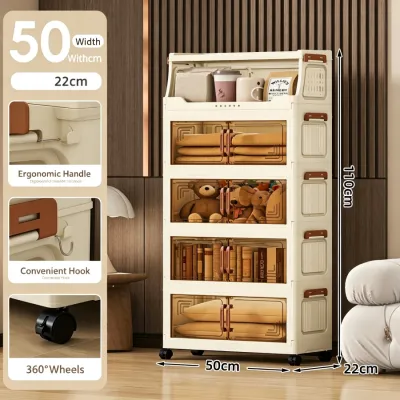
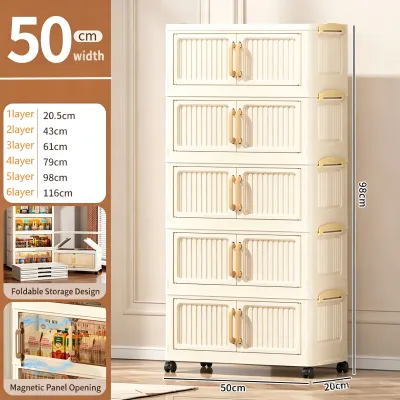

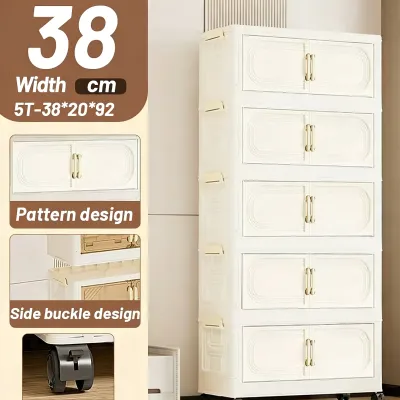

Prices are valid at publication and may change. Please refer to the product page for the latest price.
Start by measuring the wall where you plan to position the cabinet. Use a metal measuring tape to record the length, depth, and height of the available space. It is crucial to leave adequate clearance for other furniture pieces.
Ensure there is at least 90 centimeters of space between the cabinet and your dining table. This clearance allows chairs to be pulled out comfortably and lets guests walk past without squeezing. If your dining area is a high-traffic zone, you may need to allow for even more clearance.
Beyond the floor footprint, consider the vertical space and wall features. Note the location of electrical outlets, light switches, and wall-mounted air conditioning units. If the cabinet is tall, it must not block access to these fixtures.
Additionally, measure the height and thickness of your baseboards. Some buffet cabinets are designed with a cutout at the back to accommodate baseboards, allowing the unit to sit completely flush against the wall.
If your chosen model lacks this feature, you will need to account for a small gap between the cabinet and the wall. This gap can collect dust and affect the overall depth of the unit in your room layout.
Finally, map out the delivery route from the entrance of your building to the dining room. In many residential areas, particularly high-rise condominiums or multi-story homes in the Philippines, narrow hallways, tight stairwells, and compact elevator cabins present significant obstacles.
Check the packaged dimensions of the cabinet—which are often larger than the assembled product dimensions—and compare them against the clearance of your doorways, elevator doors, and stairwell turns. Verifying these measurements beforehand prevents the frustration of receiving a piece of furniture that cannot physically enter your home.
Define Your Storage and Display Requirements
To choose a buffet cabinet that truly serves your household, you must catalog the items you intend to store. Dining room storage generally falls into two categories: items you want to hide and items you want to display.

For everyday dinnerware, table linens, placemats, and cutlery, enclosed drawers and solid doors are ideal. They keep daily clutter out of sight and protect fabric items from dust and kitchen grease.
On the other hand, if you own fine glassware, heirloom ceramics, or decorative serveware, a cabinet with glass doors or open shelving allows you to showcase these pieces. This turns your storage into a beautiful visual focal point in the room.
Flexibility is another critical factor when evaluating internal configurations. Look for models that feature adjustable shelving. Fixed shelves limit your storage options, making it difficult to store tall wine bottles, large soup tureens, or bulky small appliances.
Adjustable shelves allow you to customize the interior height to match your changing needs over time. When planning your storage layout, remember to place heavier items, such as ceramic serving platters or cast-iron cookware, on the lowest shelves. This maintains a low center of gravity and ensures the cabinet remains stable.
Always review the manufacturer’s specified weight limits for both the individual shelves and the top surface of the cabinet. These limits are typically detailed in the product manual or on the official brand specification sheet.
Overloading shelves can lead to structural sagging, bowing, or even sudden failure, which can damage your valuable dinnerware. If you plan to use the top surface of the buffet cabinet as a serving station during family gatherings—placing heavy chafing dishes, beverage dispensers, or decorative vases on it—ensure the top panel is rated to support that cumulative weight safely.
Evaluate Materials, Finishes, and Hardware
When selecting a buffet cabinet, the durability of the materials and finishes is paramount, especially when considering environmental factors. In tropical climates like the Philippines, high humidity levels can cause wood to expand, contract, or warp if it is not properly treated.
Rather than relying solely on generic material names like “engineered wood” or “solid wood,” look for specific product labels or manufacturer documentation that details the surface treatments applied. High-quality laminates, melamine coatings, or moisture-resistant sealants help protect the underlying material from humidity, spills, and minor scratches.
The quality of the hardware is a direct indicator of the cabinet’s longevity. Inspect the specifications for the hinges and drawer slides. Heavy-duty metal hinges with soft-close mechanisms are highly desirable.
Soft-close hinges prevent doors from slamming, which protects both the cabinet structure and any delicate glassware stored inside. For drawers, full-extension ball-bearing slides offer smooth operation and allow you to access items stored at the very back of the drawer without straining.
If you live in a coastal or highly humid area, check if the hardware is treated with rust-resistant coatings to prevent corrosion over time. This simple check can save you from dealing with squeaky, stiff, or rusted hinges down the road.
Maintenance requirements should also align with your lifestyle. Some finishes require specialized wood polishes or gentle, dry dusting, while others can be easily wiped down with a damp microfiber cloth and mild soapy water.
Avoid cabinets with highly porous surfaces if you plan to use the top surface for food and drink service. Spills from acidic foods or dark liquids can leave permanent stains if the surface is not properly sealed. Always consult the manufacturer’s cleaning guidelines to ensure you do not inadvertently strip away protective sealants.
Align the Design with Your Dining Room Aesthetic
A buffet cabinet should complement your existing dining room furniture rather than compete with it. Start by analyzing the dominant wood tones, colors, and textures in your dining table and chairs.
You do not necessarily need an exact match; in fact, mixing wood finishes can create a curated, sophisticated look. However, the undertones should harmonize. For instance, if your dining table has a warm, reddish undertone, look for a buffet cabinet with a complementary warm finish rather than a cool, gray-toned wood grain.
If your dining set is painted, a contrasting cabinet color can serve as an elegant accent piece. Consider the visual weight of the cabinet and how it interacts with the room’s architecture.
A cabinet that sits directly on the floor with a solid plinth base has a heavy, grounded appearance, which works well in large, formal dining rooms. Conversely, a cabinet raised on slender legs creates a sense of openness and light, making it an excellent choice for smaller dining spaces.
Raised legs also offer a practical advantage in tropical homes. They allow air to circulate freely underneath the unit, which helps prevent moisture buildup and mold. It also makes it much easier to sweep, mop, or run a robotic vacuum to keep the floor clean.
The design of the doors and handles also plays a significant role in the overall aesthetic. Clear glass doors offer a bright, open look but require meticulous organization inside to avoid looking cluttered.
If you prefer a softer, more forgiving display, consider fluted glass, frosted glass, or tinted glass doors. These options obscure the exact shapes of the items inside while still reflecting light and adding texture to the room.
Handle designs—whether minimalist recessed pulls, classic brass knobs, or modern matte black bars—should coordinate with the metal finishes of your dining room light fixtures or kitchen hardware for a cohesive look.
Pre-Purchase Verification and Assembly Planning
Before finalizing your purchase on any e-commerce platform, it is essential to perform a thorough pre-purchase verification. Online listings can sometimes contain typographical errors or incomplete specifications.
Cross-reference the dimensions, weight capacities, and material details listed on the online marketplace with the official brand manual or product tag. If you notice discrepancies, contact the seller or manufacturer directly to clarify the exact specifications. Taking this extra step ensures you receive exactly what you expect and prevents the hassle of returning a bulky piece of furniture.
Additionally, plan for the assembly process. Buffet cabinets are often shipped flat-packed to protect them during transit and reduce shipping costs. Review the product description to determine if professional assembly services are offered at checkout, or if you will need to assemble the unit yourself.
If you choose the DIY route, ensure you have the necessary tools, such as a hammer, a rubber mallet, a level, and a set of screwdrivers. Set aside a clean, spacious area in your home to lay out the parts, and carefully follow the step-by-step instructions provided in the manual to avoid damaging the panels during assembly.
Finally, review the retailer’s return policy and warranty coverage before completing your order. A reliable warranty provides peace of mind, covering manufacturing defects or damaged parts upon arrival.
Check if the manufacturer offers replacement parts, such as extra hinges, shelf pins, or drawer slides, in case any hardware wears out over years of daily use. Understanding these policies beforehand ensures a smooth, risk-free purchasing experience and guarantees that your new buffet cabinet remains a functional and beautiful addition to your dining room for a long time.
Frequently Asked Questions (FAQ)
How much weight can a typical buffet cabinet shelf hold?
The weight capacity of a buffet cabinet shelf varies significantly depending on the specific model, the thickness of the shelf material, and the type of support brackets used. Because there is no universal standard, you must consult the product manual or specification sheet for your exact model.
To ensure safety and longevity, always distribute heavy items like ceramic plates, glass bowls, and serving platters evenly across the shelf rather than stacking them in a single pile. Placing the heaviest items on the bottom shelves also helps maintain a low center of gravity, enhancing the overall stability of the cabinet.
Do I need to anchor my dining room buffet cabinet to the wall?
Whether you need to anchor your buffet cabinet depends on its height, depth, center of gravity, and the manufacturer’s explicit safety instructions. Tall or shallow cabinets are more susceptible to tipping over, especially when multiple drawers or doors are fully extended at the same time.
If the manufacturer includes an anti-tip kit and instructs you to anchor the unit, you should always follow these guidelines. Anchoring is highly recommended in households with active children or pets, as it prevents accidental tip-overs and ensures a safe dining environment.

Community discussion
Share your experience or ask a question. Comments are reviewed before publication.