
Selecting the perfect wardrobe for your bedroom is a balancing act between your available floor space, your personal storage habits, and the local climate. A steel cabinet offers a robust, pest-resistant alternative to traditional wooden wardrobes, making it an increasingly popular choice for modern homes. Unlike wood, which can warp or attract termites, high-quality steel provides a stable structure that stands up to heavy daily use.
However, finding the right model requires looking beyond aesthetics to evaluate physical dimensions, internal configurations, and structural finishes. To make an investment that serves you for years, you must systematically assess your room’s layout, inventory your clothing types, and understand the technical specifications of the cabinet’s build. In tropical regions like the Philippines, where humidity levels fluctuate, paying close attention to material treatments and ventilation is equally critical. This guide provides a practical, step-by-step framework to help you select the ideal Leafify steel cabinet for your specific storage needs.
Assess Your Bedroom Space and Layout Constraints
Before browsing online marketplaces or visiting a showroom, you must establish the physical boundaries of your bedroom. Start by measuring the exact floor footprint where you plan to position the cabinet. Use a metal measuring tape for accuracy, and record the width, depth, and height of the designated area. Remember to account for baseboards, wall trim, and any slight unevenness in your flooring or walls, which can restrict a tight-fitting cabinet.
Products mentioned in this guide

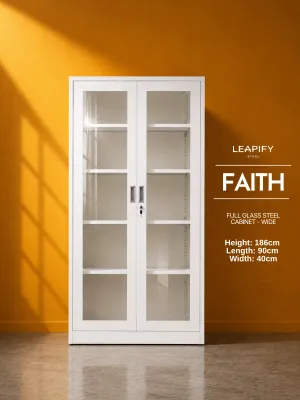
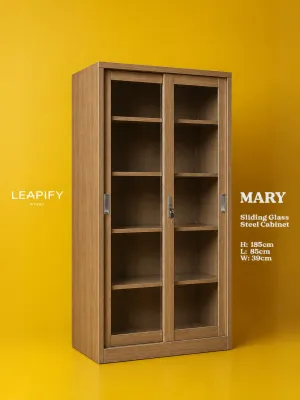
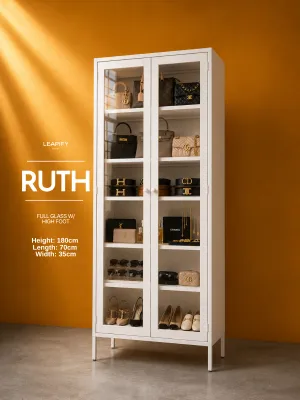
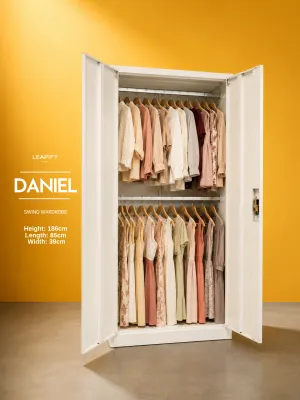

Prices are valid at publication and may change. Please refer to the product page for the latest price.
Beyond the static footprint of the cabinet, you must calculate the dynamic clearance required for daily use. If you select a model with hinged doors, measure the swing radius of the doors to ensure they can open fully without striking your bed, bedside tables, or bedroom entry door. Even if you opt for sliding doors, you still need to leave at least 60 to 90 centimeters of open walking space in front of the wardrobe so you can comfortably stand, reach inside, and organize your belongings.
Vertical space is another critical dimension that is easily overlooked. Measure your ceiling height from the floor to the lowest hanging fixture, such as a ceiling fan, light fixture, or air conditioning unit. A tall steel cabinet must have at least 10 to 15 centimeters of clearance at the top to allow for safe positioning during installation and to prevent blocking overhead airflow or light distribution.
Finally, map out the entire delivery path from the street to your bedroom door. Many homeowners purchase a spacious wardrobe only to find it cannot clear the tight corners of a building stairwell, fit inside a residential elevator, or pass through a narrow hallway. Measure the height and width of every doorway, corridor turn, and elevator entrance along the route. If the cabinet arrives flat-packed, check the dimensions of the shipping boxes; if it arrives pre-assembled, ensure the entire unit can navigate these physical barriers safely.
Match Cabinet Dimensions to Your Clothing Types
An organized wardrobe is designed from the inside out, meaning the internal layout of your steel cabinet should directly reflect your personal clothing collection. Begin by taking a quick inventory of your current wardrobe. Group your items into categories: hanging garments, folded clothes, undergarments, shoes, and bulky accessories. This inventory will help you determine the ideal ratio of hanging rods to shelves and drawers.

If your wardrobe consists primarily of formal wear, dresses, long skirts, or traditional garments, you will require a configuration with generous vertical hanging space. Measure the length of your longest hanging items from the hanger hook to the hem. A standard hanging section should offer enough drop height to prevent these garments from bunching up or resting on the bottom shelf, which can cause unsightly creases and trap dust.
Conversely, if your daily attire consists mostly of t-shirts, jeans, activewear, and folded linens, prioritize a model with multiple adjustable shelves. Folded items are best stored on shelves that are deep enough to accommodate two rows of clothing without spilling over. Look for cabinets that allow you to adjust the shelf heights, giving you the flexibility to create taller compartments for bulky bedding or shorter compartments for neat stacks of shirts.
Do not forget to plan for specialized storage needs. If you plan to store shoes, bags, or seasonal items inside the cabinet, look for dedicated bottom compartments or top shelves. Undergarments, socks, and smaller accessories are best kept in pull-out drawers or integrated baskets. Organizing your items by frequency of use—placing daily wear at eye level and seasonal items on top shelves—will make your daily routine much smoother.
Evaluate Leafify Steel Cabinet Features and Build
Steel cabinets are celebrated for their durability, but not all steel furniture is constructed to the same standard. When evaluating a Leafify steel cabinet, your first point of inspection should be the structural integrity of the frame and shelves. Check the manufacturer’s product specifications for the load-bearing capacity of individual shelves and hanging rods. Heavy items like denim jeans, winter coats, or thick blankets can put significant stress on a wardrobe, so ensure the rated capacity comfortably exceeds your storage weight.
Next, examine the door mechanisms, hinges, and locking systems. For hinged doors, look for heavy-duty, adjustable hinges that allow you to align the doors perfectly even if your bedroom floor is slightly uneven. Smooth-gliding tracks are essential for sliding door models; check if the rollers are made of durable materials that resist wear and operate quietly. If security is a priority for storing personal documents or valuables, verify that the cabinet features a reliable lock-and-key mechanism or a secure three-point locking system.
The surface treatment of the steel is the single most important factor determining the cabinet’s lifespan, especially in tropical climates. Raw steel is highly susceptible to rust when exposed to moisture and humidity. Ensure the cabinet features a high-quality powder-coated finish rather than a simple layer of liquid paint. Powder coating involves electrostatically applying a dry powder and curing it under heat, creating a thick, resilient barrier that resists scratches, chipping, and moisture penetration.
Additionally, inspect the overall stability and safety features of the unit. Because steel wardrobes can be top-heavy when fully loaded, they must be anchored securely to prevent tipping. Check if the cabinet includes pre-drilled anchoring holes and wall-mounting hardware. A stable cabinet should also feature adjustable leveling feet, which allow you to compensate for uneven bedroom floors and prevent the frame from warping over time.
Compare Leafify Configurations for Your Specific Needs
Choosing the right configuration involves balancing your storage volume requirements with the physical limitations of your bedroom layout. Leafify steel cabinets generally come in standard configurations based on the number of doors, ranging from compact 2-door models to expansive 4-door units. To help you visualize the best fit, consider how different door counts align with typical room sizes and storage goals.
A 2-door steel cabinet is highly suited for compact bedrooms, guest rooms, or single users with a minimalist wardrobe. These models typically feature a single hanging rod paired with a few side shelves, making them highly space-efficient. If you have a medium-sized bedroom or share a wardrobe with a partner, a 3-door configuration offers a practical middle ground. It usually divides the space into a double-door hanging section and a single-door column of shelves, allowing you to separate hanging garments from folded items easily.
For spacious master bedrooms or individuals with extensive clothing collections, a 4-door cabinet provides maximum storage capacity. These larger units often feature multiple hanging zones, integrated drawers, and overhead shelving. However, because a 4-door cabinet has a wide footprint, you must ensure your room can accommodate its physical presence without feeling cramped or blocking natural light from windows.
| Cabinet Configuration | Ideal Room Width | Primary Storage Benefit | Door Type Recommendation |
|---|---|---|---|
| 2-Door Cabinet | Under 2.5 meters | Maximizes vertical space in tight layouts | Sliding doors to save floor clearance |
| 3-Door Cabinet | 2.5 to 3.5 meters | Balanced mix of hanging and shelf storage | Hinged doors for full simultaneous access |
| 4-Door Cabinet | Over 3.5 meters | Maximum capacity with dedicated compartments | Hinged or sliding depending on room depth |
When choosing between hinged and sliding doors, consider how you use your space. Hinged doors allow you to open the entire wardrobe at once, giving you a complete view of your clothes, but they require ample clearance in front of the cabinet. Sliding doors, on the other hand, glide parallel to the frame, making them perfect for narrow bedrooms where space is at a premium. However, sliding doors will always block one half of the cabinet’s interior, which can be a minor inconvenience if two people are trying to access the wardrobe at the same time.
If your bedroom has limited floor space but high ceilings, look for modular or stackable configurations. Some steel cabinet systems allow you to add top lockers or stackable compartments on top of the main unit. This approach lets you utilize unused vertical space to store off-season clothing, extra bedding, or travel bags, keeping your primary storage areas organized and accessible.
Pre-Purchase Checklist and Delivery Considerations
Before finalizing your purchase on an online marketplace or at a local furniture retailer, run through a final pre-purchase checklist to avoid delivery day surprises. Double-check the exact product dimensions listed on the official product page against your recorded room measurements. Ensure you have factored in the necessary clearance for doors, drawers, and ceiling height, leaving no room for error.
Confirm the assembly requirements of the specific model you are buying. Some steel cabinets are shipped as flat-packs to reduce shipping costs, requiring complete on-site assembly. If you are not comfortable using basic hand tools or following complex assembly diagrams, check if the retailer offers professional installation services. Budgeting for professional assembly services, which typically cost a few hundred ₱, can save you time and ensure the cabinet is built safely.
On delivery day, prepare your bedroom by clearing a direct path from the entrance and protecting your floors with cardboard or blankets during the assembly process. Finally, review the manufacturer’s warranty terms and return policies. A reputable steel furniture brand should offer a warranty that covers structural defects, faulty hinge mechanisms, and premature coating degradation, protecting your investment of several thousand ₱ against manufacturing flaws.
Frequently Asked Questions (FAQ)
Are steel cabinets suitable for humid bedrooms?
Yes, steel cabinets are highly suitable for humid bedrooms, provided they feature a high-quality, rust-resistant surface treatment. When shopping, always verify that the cabinet has an electrostatic powder-coated finish, which provides a durable barrier against moisture. To further protect your clothes and the cabinet, maintain proper room ventilation, use dehumidifying packets inside the wardrobe, and avoid placing the unit directly against damp walls.
How do I maintain the finish of a steel wardrobe?
Maintaining the finish of a steel wardrobe is straightforward and requires minimal effort. For routine cleaning, simply wipe down the exterior and interior surfaces with a soft, dry or slightly damp microfiber cloth to remove dust and fingerprints. Avoid using harsh chemical cleaners, bleach, or abrasive scrubbing pads, as these can scratch or degrade the protective powder coating, leaving the underlying steel vulnerable to rust.

Community discussion
Share your experience or ask a question. Comments are reviewed before publication.