
Choosing the right Lifestow storage box size for a move is a balancing act between the physical volume of your belongings and the weight you can safely lift. If you pack a massive container with heavy textbooks, you risk injuring your back or causing the bottom of the box to give way during transit. Conversely, using tiny containers for bulky blankets results in an excessive number of trips and wasted space in the moving vehicle. To streamline your lipat-bahay process, you must match the density of your items to the structural capacity and volume of each box size.
Understanding Lifestow Storage Box Dimensions and Weight Limits
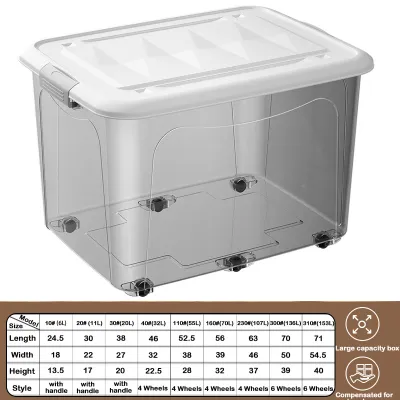
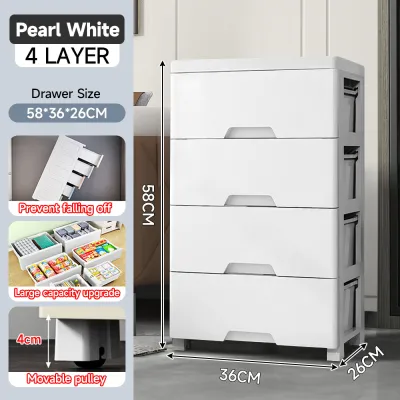
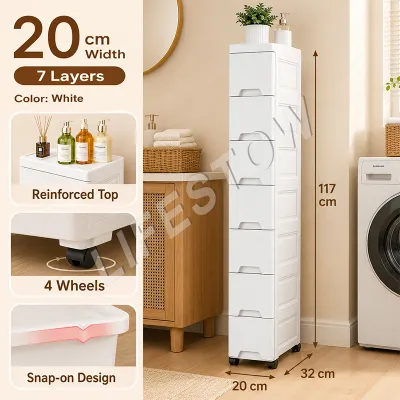
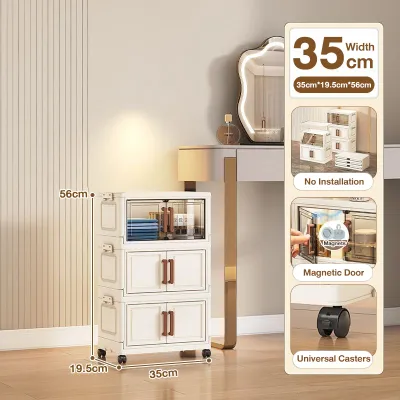
Before purchasing or packing your Lifestow storage boxes, it is essential to verify their exact physical specifications. You should inspect the manufacturer’s label, the official product page, or the packaging to find the precise external dimensions (Length x Width x Height) and the total volume capacity, which is typically measured in liters. Knowing these numbers allows you to calculate how many boxes will fit into your designated packing area and transport vehicle.
Equally important is identifying the maximum load-bearing capacity of each box model. Plastic storage containers are designed with specific weight thresholds in mind; exceeding these limits can lead to structural failure, such as cracked bases or buckling walls when stacked. Always look for the weight limit guidelines provided by the manufacturer before deciding which items to place inside.
Products mentioned in this guide
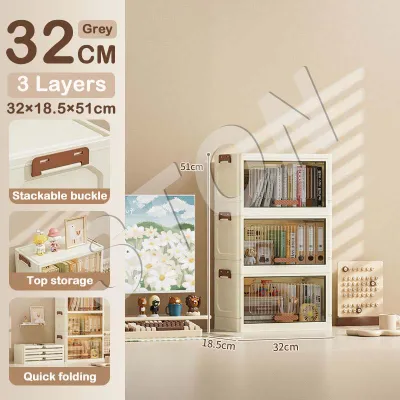
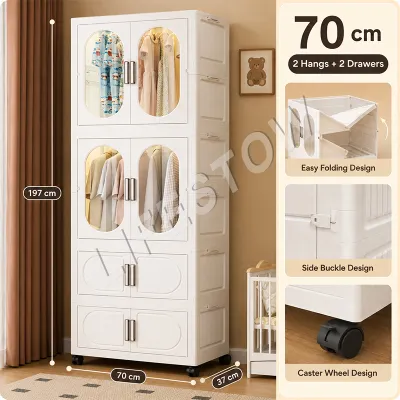
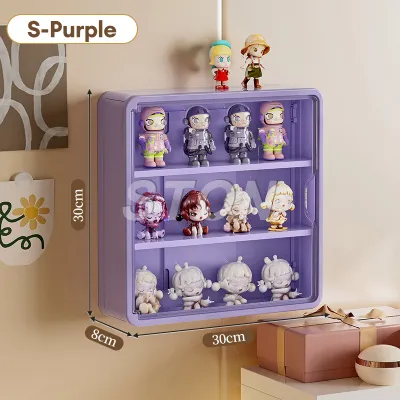
Prices are valid at publication and may change. Please refer to the product page for the latest price.
Finally, take physical measurements of the available space in your moving vehicle, whether you are hiring a local moving truck, a utility van, or using a personal car. Do not forget to measure the doorways, narrow hallways, stairwells, and elevator doors of both your current residence and your new home in the Philippines. Ensuring your chosen box sizes can easily pass through these tight spaces prevents unexpected bottlenecks on moving day.
Matching Box Sizes to Specific Belongings
The core strategy of efficient packing lies in categorizing your household items by their weight, density, and fragility. A common mistake is packing items randomly as you encounter them, which leads to poorly balanced boxes and inefficient use of space.

As a general rule of thumb, heavy and dense items belong in smaller containers, while light, bulky, and compressible items are best suited for larger boxes. By adhering to this principle, you can maintain manageable weight limits across all your containers, making the loading and unloading process significantly safer and faster.
Packing Clothes and Linens
Textiles such as clothing, bedsheets, blankets, and pillows are highly compressible and relatively lightweight, making them ideal candidates for larger volume Lifestow storage boxes. Utilizing larger containers for these items allows you to consolidate bulky bedding and seasonal wear into fewer units, maximizing your packing efficiency.
When packing fabrics in tropical climates like the Philippines, protecting them from humidity, dust, and pests during transit is a major priority. Check if your selected boxes feature secure, heavy-duty latches that seal the lid tightly against the rim. A secure seal helps maintain a clean environment inside the box, ensuring your freshly laundered linens arrive at your new home ready for immediate use.
While it is tempting to squeeze as many clothes as possible into a single large container, you must avoid overstuffing. Forcing the lid down onto an overfilled box puts immense stress on the plastic hinges and latches, which can cause them to snap or pop open during transport. Pack the items firmly but leave enough clearance at the top so the lid rests flat and latches smoothly without resistance.
Packing Books and Heavy Documents
Books, files, magazines, and legal documents are incredibly dense and accumulate weight rapidly. For these items, you should always select the smallest available Lifestow storage box size that can comfortably accommodate their physical dimensions. Keeping these heavy items in compact containers ensures that the overall weight of each packed box remains within a safe, liftable range.
Using large boxes for books is a recipe for moving-day disasters. A large container filled to the brim with paper can easily exceed fifty kilograms, making it nearly impossible for a single person to lift safely and risking severe muscle strain or spinal injury. Furthermore, excessive weight puts extreme pressure on the plastic base of the box, which can cause it to bow, crack, or fail entirely when lifted.
Before packing, inspect the design of your small boxes to verify if they feature a reinforced base or specialized structural ribbing. These design elements help distribute heavy loads evenly across the bottom of the container. Additionally, check that the lids are designed with secure nesting grooves, which allow heavy boxes to stack on top of one another without sliding or crushing the lids below.
Packing Kitchenware and Fragile Items
Kitchenware presents a unique challenge because it often combines high density with extreme fragility. To pack items like ceramic plates, glass bowls, and porcelain mugs safely, you should opt for medium-sized storage boxes. This size offers a practical compromise, providing enough physical space to wrap each item in protective bubble wrap or packing paper while keeping the total weight manageable.
For exceptionally heavy kitchen items, such as cast-iron skillets, heavy-duty pots, or small kitchen appliances, transition to smaller boxes. Packing these dense items individually or in small groups prevents them from shifting violently and crushing lighter, more delicate glassware packed in the same container.
When selecting boxes for fragile kitchenware, pay close attention to the interior design and structural rigidity of the container. The interior walls should be smooth to prevent abrasive damage to wrapped items, and the corners should be structurally reinforced. Rigid walls prevent the box from flexing or compressing when other containers are stacked on top of it, shielding your delicate glassware from external crushing forces.
Space Planning and Stacking Considerations for the Move
A successful move requires careful spatial planning to ensure all your packed Lifestow storage boxes fit securely inside your transport vehicle. Before moving day, estimate the total volume of your packed boxes and compare it against the cargo capacity of your hired transport service or personal vehicle. This step helps you determine if you can complete the move in a single trip or if you need to plan for multiple rounds.
When loading the vehicle, always follow the fundamental principles of safe stacking. Place the largest, heaviest boxes at the very bottom of the cargo area to establish a solid foundation and keep the vehicle’s center of gravity low. As you build the stacks upward, transition to medium-sized boxes, and place the smallest, lightest containers on the very top. This arrangement prevents top-heavy stacks from tipping over during transit.
Additionally, consider the road conditions you will encounter during the drive. Philippine roads can often be uneven, featuring potholes, speed bumps, and sudden turns. To prevent your carefully stacked boxes from shifting or sliding, leave a minimal gap between the stacks and the vehicle walls, and secure the load using tie-down straps or cargo nets. Ensuring a tight, stable configuration minimizes the risk of friction damage and keeps your belongings secure.
Common Sizing Mistakes to Avoid When Packing
One of the most common pitfalls during a move is adopting a “bigger is always better” mindset when purchasing storage containers. While large boxes seem convenient because they hold more items, they frequently become too heavy to carry, leading to physical exhaustion, dropped boxes, and damaged belongings.
Another frequent error is using boxes that are far too large for small, loose household items. When a few small items are left to rattle around in a spacious container, they shift constantly during transit, increasing the likelihood of breakage. If you must use a larger box for smaller items, always fill the empty spaces with clean packing paper, towels, or bubble wrap to prevent movement.
Lastly, avoid the temptation to mix extremely heavy items with highly fragile ones in a single container to save space. For example, placing a heavy iron skillet in the same medium-sized box as delicate wine glasses is highly risky, as even the best packing material may fail to protect the glassware if the heavy item shifts during a sudden stop. Keep your weight categories distinct to ensure maximum protection.
Frequently Asked Questions (FAQ)
Can I use the same Lifestow storage box size for all my belongings?
Using a single, uniform box size for your entire household is highly inefficient and can compromise safety. A one-size-fits-all approach forces you to compromise between volume and weight limits. If you choose only large boxes, filling them with heavy items like books or kitchenware makes them dangerous to lift, while choosing only small boxes means you will waste space on bulky linens and require an excessive number of individual containers.
How do I know if a packed Lifestow box is too heavy to move safely?
To determine if a packed box is too heavy, perform a simple test lift before securing the lid. Stand with your feet shoulder-width apart, bend at your knees, and attempt to lift the box slightly off the ground using both hands. If you feel immediate strain in your back, if the box is difficult to grip, or if you notice the plastic base sagging significantly under the weight, the box is overloaded. You should immediately open the container and redistribute the heavier items into smaller boxes to ensure safe handling.

Community discussion
Share your experience or ask a question. Comments are reviewed before publication.