
To seat 6 to 10 people comfortably, you generally need a rectangular table measuring between 6 feet (72 inches) and 8 feet (96 inches) in length, or a round table with a diameter of 60 to 72 inches. The exact size depends on how closely guests are seated and the style of chairs used. For a casual gathering of 6 to 8 people, a standard 6-foot rectangular table often suffices, while a larger 8-foot table or a 72-inch round table is highly recommended to accommodate up to 10 diners without crowding.
In tropical climates like the Philippines, where family gatherings often feature large serving platters, rice cookers, and multiple side dishes, choosing a table with sufficient depth and width is crucial to prevent physical discomfort and heat buildup. Selecting the right size ensures that everyone has enough elbow room to enjoy their meal and move freely throughout the gathering.
Calculating Comfortable Seating Space per Person
When planning a seating arrangement, the first step is to establish the baseline physical space each guest requires. For a comfortable dining experience, a standard linear width of 24 to 30 inches per person is recommended. This range ensures that guests can eat, gesture, and use utensils without bumping elbows with their neighbors. A tighter 24-inch spacing is suitable for casual gatherings, while a wider 30-inch spacing is ideal for formal dinners where more elaborate place settings are used.
Products mentioned in this guide
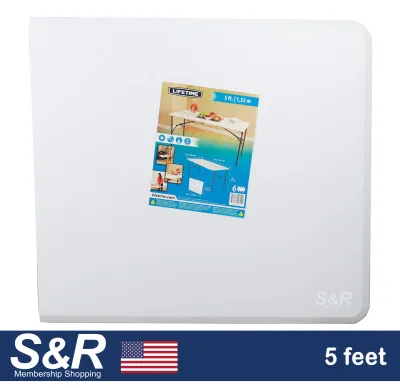
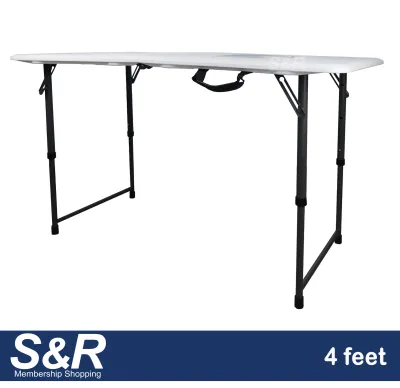
Prices are valid at publication and may change. Please refer to the product page for the latest price.
Table depth is equally important, especially when meals are served family-style. A standard place setting requires approximately 12 to 15 inches of depth from the table edge. When two people sit directly opposite each other, their individual place settings consume up to 30 inches of the table’s width. Any remaining space in the center of the table serves as the shared zone for serving bowls, pitchers, and decorative items. If your table is too narrow, this central zone disappears, forcing you to place serving dishes on a separate side table.
You can apply these baseline measurements to evaluate any table shape or length before making a purchase. Multiply the number of planned guests by the recommended linear width to determine the total perimeter required. However, always remember that physical barriers, such as table legs or support brackets, can reduce the actual usable perimeter.
Matching Table Shapes and Lengths to Your Guest Count
Rectangular tables are the most common choice for hosting larger groups because their linear edges maximize seating efficiency. A standard 6-foot (72-inch) rectangular Lifetime table is designed to seat 6 people comfortably, typically with three guests on each long side. If you need to seat 8 people at a 6-foot table, you must utilize the two end seats, which requires checking whether the table legs are inset far enough to allow comfortable legroom at the ends. An 8-foot (96-inch) rectangular table is the standard choice for seating 8 to 10 people, providing ample space along the sides and ends without crowding.

Round tables offer a more conversational atmosphere because everyone faces the center, making them excellent for interactive dining. To seat 6 to 8 people comfortably, a round table should have a diameter of at least 60 inches (5 feet). To accommodate 10 people, you will need a 72-inch (6-foot) round table. While round tables facilitate easy sharing of dishes, they require a larger overall room footprint and can make it more difficult to reach items placed in the exact center of the table.
Before finalizing your setup, always check the specific product label or manufacturer specification sheet for your particular Lifetime table model. Manufacturers provide official seating recommendations and structural limits based on the table’s specific leg design and frame strength. Relying on these official specifications ensures that you do not exceed the safe capacity of the furniture.
Measuring Your Room for Table and Chair Clearance
Choosing the right table size is only half the battle; you must also ensure the table fits comfortably within your physical dining space. To allow guests to sit down, stand up, and move around easily, maintain a minimum clearance of 36 inches between the edge of the table and the nearest wall, cabinet, or household obstacle. If the area behind the chairs serves as a primary walkway or traffic lane, increase this clearance to 48 inches to prevent bottlenecks during busy gatherings.
Do not forget to account for the depth of the chairs when they are pulled out. Folding chairs and heavy dining chairs often have a wider footprint when in use than when tucked neatly under the table. Measure the distance from the table edge to the back of the chair when a person is seated to ensure there is still adequate space for others to walk behind them.
Additionally, verify the physical path the table must take to reach your dining area. Measure the widths of doorways, hallways, stairwells, and elevator doors to ensure the table can be safely transported into your home. This is particularly important for solid, non-folding models or large round tables that cannot be easily angled around tight corners.
Common Sizing and Configuration Mistakes
One of the most common mistakes hosts make is forcing 10 people onto a table designed for 6 or 8 guests. Ignoring the minimum linear space rules leads to a cramped dining experience where guests cannot move their arms freely, and the table surface becomes cluttered with overlapping plates and glasses. This overcrowding can quickly ruin the atmosphere of an otherwise pleasant gathering.
Another frequent oversight is forgetting to account for the table’s structural components. Many folding tables feature diagonal support braces, center folding hinges, or thick metal legs that extend inward. If these components block chair placement, guests may be forced to sit at awkward angles, or chairs may not slide fully under the table when not in use. Always inspect the underside design of the table to ensure there is clear legroom where guests will sit.
Finally, consider the visual weight and bulk of utility or folding tables when placing them in a dedicated dining space. While highly functional, these tables can sometimes look out of place in a formal home setting. You can easily soften their appearance by using high-quality tablecloths, table runners, or choosing models designed with textured, wood-grain, or neutral-colored tabletops that complement your existing interior decor.
Frequently Asked Questions (FAQ)
Can I connect two smaller folding tables to seat 10 people?
Yes, connecting two smaller folding tables is a practical way to accommodate 10 people if you do not own a single large table. For example, placing two 4-foot or 5-foot rectangular tables end-to-end can create a long banquet-style setup. However, you must be mindful of stability and height-matching issues, as slight variations in manufacturing or floor level can create an uneven seam where the tables meet.
Additionally, placing tables together creates a double set of legs at the junction, which can severely restrict legroom and chair placement for guests seated near the center. To minimize this issue, ensure the floor surface is completely level and use table clips or heavy-duty tape underneath to secure the frames together. For formal occasions, a single 8-foot table is generally more stable and comfortable than two joined tables.
How do I verify the exact weight capacity and seating limit of my table?
To verify the exact weight capacity and seating limits of your table, locate the manufacturer’s label on the underside of the tabletop, or consult the user manual and official product specification sheet. These documents provide the precise structural limits tested by the manufacturer for your specific model.
It is important to understand the difference between static weight capacity and dynamic load. Static weight capacity refers to the maximum weight the table can support when the load is stationary and evenly distributed across the surface. Dynamic load refers to the temporary forces applied when people lean heavily on the table, place heavy objects down quickly, or move the table while loaded. If you observe any structural bowing, cracking, or joint instability during use, stop using the table immediately and consult the manufacturer.

Community discussion
Share your experience or ask a question. Comments are reviewed before publication.