
Finding the right storage solution for your bedroom linens involves more than just picking an attractive piece of furniture. In tropical climates like the Philippines, where high humidity can affect both wooden structures and stored fabrics, selecting the correct linen tower cabinet size is crucial. The ideal unit must maximize vertical space to keep your sheets, blankets, and pillowcases organized without overcrowding your room or blocking natural airflow. By carefully evaluating your floor plan, calculating your actual storage volume, and verifying structural safety features, you can find a cabinet that fits seamlessly into your daily routine.
Assess Your Bedroom Floor Space and Clearances
Before browsing online marketplaces or local furniture showrooms, you must establish the exact physical footprint your bedroom can accommodate. Start by measuring the width and depth of the designated floor area with a reliable tape measure. Do not rely on visual estimates, as even a few centimeters of misalignment can cause the cabinet to overlap with baseboards, cover electrical outlets, or block window sills. If you plan to place the tower near a window, ensure its height does not obstruct natural light or interfere with curtain fixtures.
Next, evaluate the surrounding traffic flow and door clearances. A linen tower should never impede your movement through the bedroom or prevent nearby doors from opening fully. Measure the swing radius of your bedroom door, closet doors, and even adjacent dresser drawers to ensure they do not collide with the new cabinet. Leave a comfortable walking path of at least 60 to 90 centimeters in front of the unit so you can stand, open the cabinet doors, and retrieve items without feeling cramped.
Products mentioned in this guide
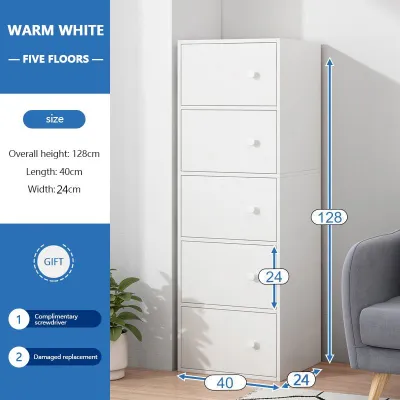
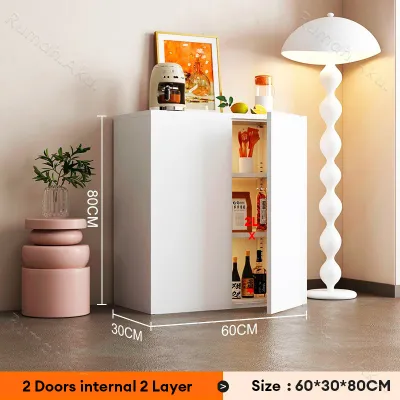
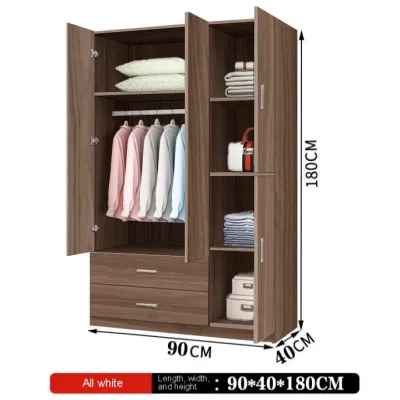
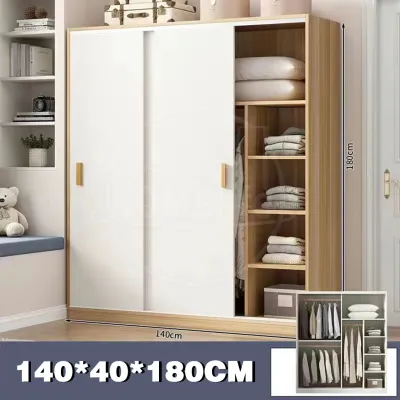
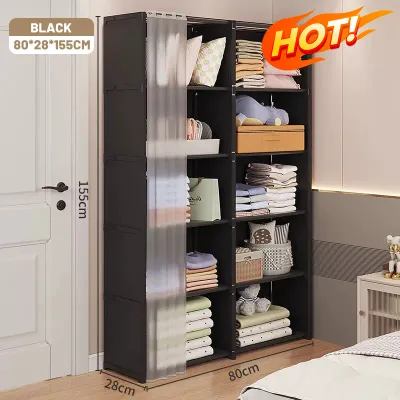
Prices are valid at publication and may change. Please refer to the product page for the latest price.
Vertical clearance is equally important, especially in homes with architectural variations. Measure the distance from the floor to the ceiling, taking note of any overhead obstructions such as sloped ceilings, exposed structural beams, or ceiling fans. If your bedroom features a ceiling fan, ensure the top of the linen tower sits well below the fan blades to prevent dangerous obstructions and maintain proper air circulation throughout the upper portion of the room.
Estimate Your Linen Storage Capacity Needs
Determining the right cabinet size also depends heavily on what you intend to store inside. Begin by gathering all the linens you plan to house in the tower and categorizing them by bulk. Thick comforters, heavy blankets, and spare pillows require deep, wide shelves with generous vertical clearance. Conversely, lighter items like cotton sheets, pillowcases, and hand towels can be stacked efficiently on shallower, closely spaced shelves.

The internal configuration of the cabinet plays a major role in how effectively you can use its volume. Adjustable shelves offer the greatest flexibility, allowing you to customize the interior layout as your storage needs change throughout the year. Enclosed drawers are excellent for protecting delicate fabrics, pillowcases, and smaller personal items from dust and pests. Open shelving, on the other hand, provides quick, daily accessibility for frequently used towels but requires more disciplined folding to maintain a tidy appearance.
In tropical regions, seasonal bedding rotation is a key consideration for capacity planning. During the hot, dry months, you may need to store heavier blankets and duvets, which demand substantial cabinet volume. Conversely, the rainy season might require quick access to extra dry sheets and light throws. Factor in these seasonal shifts, along with potential changes in your household size, to ensure your chosen linen tower has enough reserve capacity to handle your long-term storage demands.
Match Cabinet Dimensions to Your Space and Load
Once you have your physical measurements and storage estimates, you can match them to specific cabinet dimensions. Avoid assuming there is a universal standard size for linen towers; manufacturers offer a wide range of heights, widths, and depths. For smaller bedrooms, a tall, narrow tower with a shallow footprint is often the best choice, as it capitalizes on vertical space without encroaching on valuable floor area. Ensure the depth of the unit aligns with your deepest folded items so doors can close completely without compressing your linens.
Weight capacity is a critical safety and durability factor that is often overlooked. Review the manufacturer’s specifications to verify the maximum load limit for each shelf and the overall unit. Heavy textiles, such as denim, thick canvas organizers, or large stacks of bath sheets, can put significant stress on shelf joints and support pegs. Distribute the weight logically by placing the heaviest items on the bottom shelves to lower the cabinet’s center of gravity and enhance its overall stability.
Because linen towers are naturally tall and narrow, they present a potential tip-over hazard if they are not properly secured. This risk is amplified in households with active children or pets, or in areas prone to minor structural vibrations. Prioritize safety by planning to install anti-tip anchoring hardware directly into a wall stud. Check the manufacturer’s instructions for the recommended anchoring method, and ensure your bedroom walls can support the brackets before finalizing your purchase.
Common Sizing Mistakes to Avoid
One of the most frequent errors when choosing a linen tower is ignoring the cabinet’s depth in relation to surrounding walkways. A unit that looks perfectly proportioned online may protrude unexpectedly into a narrow bedroom hallway or block a closet door once assembled. Always map out the cabinet’s footprint on your bedroom floor using painter’s tape to physically visualize how much space it will occupy before making a commitment.
Another common mistake is overlooking the flexibility of the interior shelving. Opting for a cabinet with fixed, non-adjustable shelves often leads to wasted vertical space, leaving you with awkward gaps above short stacks of sheets or forcing you to cram bulky comforters into tight compartments. Prioritizing adjustable shelving ensures you can adapt the interior layout to match the exact height of your folded linens.
Finally, do not forget to measure the delivery pathway leading to your bedroom. A large, pre-assembled linen tower might fit beautifully in your designated bedroom corner but fail to clear tight stairwells, low-ceilinged hallways, or narrow door frames during delivery. Check the packaged dimensions of the product and compare them against your home’s entryways, elevators, and corridors to ensure a smooth and hassle-free installation process.
Frequently Asked Questions (FAQ)
Can I use a bathroom linen tower in a bedroom?
While it is physically possible to use a bathroom linen tower in a bedroom, there are distinct differences in material finishes and design aesthetics to consider. Bathroom units are often engineered with moisture-resistant coatings or synthetic materials designed to withstand high humidity and direct water splashes. These finishes can sometimes look sterile or clash with the warmer wood tones and textiles typical of bedroom decor. Additionally, bathroom-specific towers are often shallower to fit tight powder rooms, which may not provide the necessary depth to store larger bedroom comforters and bulky sheet sets.
How much space should I leave around a linen tower for ventilation?
Maintaining adequate airflow around your linen tower is essential for preventing musty odors, mold, and mildew, particularly in warm and humid climates. Stagnant air can trap moisture inside the cabinet, which can ruin stored fabrics over time. To encourage healthy air circulation, avoid pushing the cabinet completely flush against the back wall; instead, leave a small gap of about two to five centimeters. Always consult the manufacturer’s specific installation guidelines for recommended clearance distances, and consider choosing a cabinet with slatted doors or breathable back panels to further protect your linens.

Community discussion
Share your experience or ask a question. Comments are reviewed before publication.