
Selecting the right shoe cabinet requires balancing your available floor space, the volume of your footwear collection, and the environmental demands of your home. A well-chosen storage unit keeps your entryway organized, protects your shoes from dust and humidity, and complements your interior design. Mandaue Foam offers a variety of shoe cabinets designed to fit different spatial layouts, from compact hallways to spacious walk-in closets.
To find the ideal match, you must evaluate several practical factors before making a purchase. This involves taking precise physical measurements of your designated area, estimating your storage capacity based on your current and future footwear, and selecting a door style that allows for easy movement. By focusing on these functional details, you can ensure your new cabinet serves as a durable and convenient addition to your living space.
Measure Your Entryway or Closet Clearance
Before browsing any furniture showroom or online catalog, you must establish the exact physical boundaries of your intended placement area. Use a reliable metal tape measure to record the maximum width, depth, and height available on your floor. In many homes, entryways are high-traffic zones where even a minor miscalculation can lead to a cabinet protruding into a primary walkway, creating a constant physical hazard.
Products mentioned in this guide
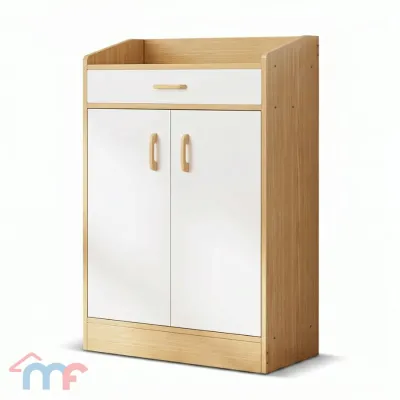
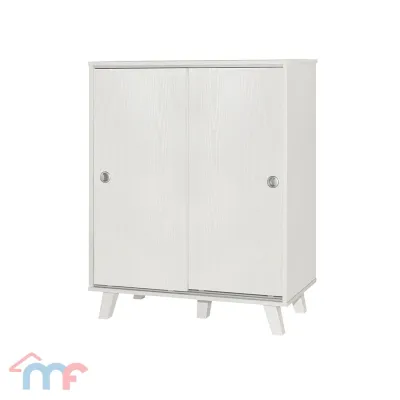
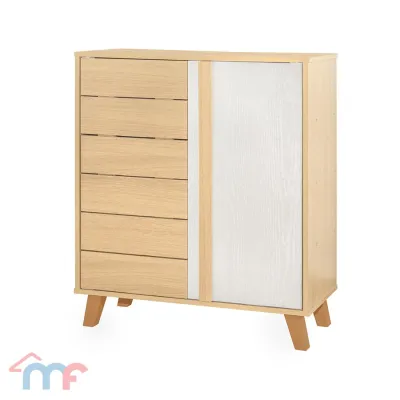
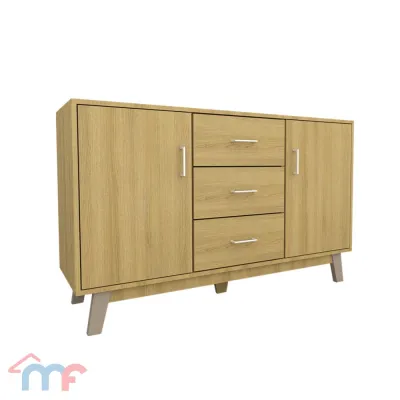
Prices are valid at publication and may change. Please refer to the product page for the latest price.
Look beyond the open floor space to identify fixed architectural features that might interfere with the cabinet’s placement. Baseboards along the bottom of the wall can prevent a flat-backed cabinet from sitting completely flush, which effectively increases the depth the unit occupies by a few centimeters. You must also locate wall outlets, light switches, and low-hanging decorative fixtures to ensure the cabinet does not block access to essential utilities or controls.
Account for the swing radius of nearby doors, including your main entrance door, closet doors, or adjacent room entryways. A shoe cabinet should never impede the primary path of travel or prevent any door from opening to its full angle. If a door swings inward toward the cabinet, measure the clearance to ensure there is no risk of the door handle or edge colliding with the furniture.
Finally, calculate the clearance required for the cabinet doors themselves to open fully. If you select a model with standard hinged doors, map out the arc they will travel when opened. There must be enough remaining space for a person to comfortably stand in front of the open cabinet, bend down to retrieve their shoes, and step back without feeling cramped or bumping into opposite walls.
Match Cabinet Capacity to Your Shoe Collection
An effective shoe cabinet must accommodate your household’s active footwear without overcrowding, which can damage shoe structures and trap odors. Begin by conducting a thorough inventory of your current shoe collection, counting the exact number of pairs that require daily storage. It is wise to allocate a buffer of at least twenty percent beyond your current count to accommodate future purchases, seasonal footwear, or shoes left by visiting guests.

Categorize your footwear by height, width, and style to understand your specific vertical spacing requirements. Low-profile items such as flat sandals, slippers, and canvas sneakers require minimal vertical clearance, allowing you to store them on closely spaced shelves. On the other hand, high heels, platform shoes, and boots demand taller shelf spacing to prevent the tops from bending, creasing, or scuffing against the shelf above.
Pay close attention to the physical dimensions of your largest shoes, particularly if anyone in your household wears larger shoe sizes. Standard shoe cabinets sometimes feature shallow shelves designed for average shoe lengths. If your collection includes long athletic sneakers or formal dress shoes, measure the sole length of these pairs to ensure they can sit straight on the shelves without forcing you to place them sideways, which drastically reduces the cabinet’s overall capacity.
Cross-reference your calculated storage needs with the specifications listed on Mandaue Foam product tags or showroom displays. Check the listed shelf count and the manufacturer’s estimated pair capacity, keeping in mind that these estimates are typically based on standard-sized footwear. If your collection consists primarily of bulky athletic shoes or wide boots, you may need to opt for a larger unit or select a model that features adjustable shelving to maximize the usable interior volume.
Evaluate Configurations and Door Styles
The mechanism of your cabinet doors directly impacts how easily you can navigate your entryway or closet space on a daily basis. Traditional hinged doors offer complete, unobstructed access to the entire interior of the cabinet at once, making them highly convenient if you have ample floor space. However, they require a clear swing radius in front of the unit, which may not be practical in narrow corridors or tight entryways.
For compact spaces, alternative door configurations offer excellent space-saving benefits. Sliding doors glide smoothly along parallel tracks within the frame, eliminating any forward swing radius entirely and allowing you to place other items nearby. Tilt-out compartments are another highly efficient option for narrow hallways, as they store shoes vertically and open outward at an angle, keeping the cabinet’s overall depth profile remarkably slim.
Consider multi-functional configurations that serve more than one purpose to optimize your home’s layout. Some shoe cabinets incorporate top drawers for storing keys, mail, and shoe care accessories, while others feature dedicated side compartments for umbrellas. You can also find units with integrated bench seating on top, providing a comfortable spot to sit while putting on or taking off your shoes, which eliminates the need for a separate entryway chair.
In humid tropical climates, proper ventilation is a critical factor for maintaining both your footwear and the cabinet itself. Look for design features such as slatted doors, open-back panels, or built-in ventilation grilles that encourage continuous airflow. Proper air circulation helps prevent moisture buildup inside the dark compartments, reducing the risk of mold growth, mildew, and unpleasant odors on organic materials like leather, suede, and canvas.
Check Delivery, Assembly, and Placement Conditions
A successful furniture purchase requires careful planning for the journey from the delivery vehicle to the final room. Compare the packaged dimensions of the cabinet against the physical limits of your building’s elevator, stairwells, and narrow doorways. Ensuring the box can clear these tight corners prevents delivery-day complications and potential damage to your walls or the furniture itself.
Assess the physical condition of the floor where the cabinet will stand. Uneven tile, warped wood, or sloped concrete floors can cause tall furniture to wobble, putting unnecessary stress on the joints and affecting door alignment over time. Use a level tool during placement, and consider using adjustable furniture glides or shims to stabilize the unit if your floors are uneven.
Evaluate the moisture levels of your chosen location, particularly in ground-floor entryways or areas close to external doors where rain might blow in during wet seasons. High humidity can affect wood-based composites over time, so checking for dry conditions and placing a protective barrier or moisture-resistant pads under the cabinet legs can extend its lifespan.
Review the manufacturer’s assembly instructions and safety guidelines before finalizing your setup. Tall or shallow shoe cabinets can present a tip-over hazard when fully loaded or when multiple drawers are opened simultaneously. Check if the unit includes wall-anchoring hardware, and ensure you have the correct tools or professional assistance to secure the cabinet firmly to your specific wall type, especially if you have young children or pets in the home.
Frequently Asked Questions (FAQ)
Can I adjust the shelf heights inside a Mandaue Foam shoe cabinet?
Many models feature pre-drilled holes along the interior side panels, allowing you to reposition the shelf pegs to accommodate taller footwear like boots or high heels. However, some designs utilize fixed internal frames or structural shelves that cannot be moved without compromising the stability of the cabinet. It is advisable to inspect the product specifications or showroom display model to verify if the shelving is adjustable before purchasing.
How much clearance should I leave behind the cabinet for ventilation?
To maintain adequate airflow and prevent moisture buildup, it is generally recommended to leave a gap of at least 2 to 5 centimeters between the back of the cabinet and the wall. This small clearance helps dissipate humidity and reduces the risk of mold forming on the back panel or the wall surface. Always consult the manufacturer’s specific placement guidelines for your particular model to ensure optimal safety and performance.

Community discussion
Share your experience or ask a question. Comments are reviewed before publication.