
Finding the right Megabox cabinet for a compact Philippine bedroom depends on matching your room’s exact floor footprint and vertical clearance with the cabinet’s external dimensions, while leaving enough space for door swings and daily foot traffic. Typically, a small bedroom requires a slim two-door or three-door freestanding plastic cabinet that utilizes vertical height without blocking windows, air conditioning units, or walkways. By systematically measuring your space and checking the manufacturer’s product labels, you can select a model that maximizes storage without making your room feel cramped.
Assessing Your Bedroom's Available Space
Before browsing catalogs or visiting a local home improvement store, you must establish the physical boundaries of your bedroom. Start by measuring the exact floor area where you plan to position the cabinet. Use a metal measuring tape to record the width and depth of the floor space, making sure to account for the bed frame, bedside tables, and the path needed to walk comfortably around the room. It is essential to ensure that the cabinet will not block the swing of your bedroom door, entryway, or any built-in closet doors.
Vertical clearance is another critical factor that is often overlooked in compact rooms. Measure the distance from the floor to the ceiling in several spots, as floors and ceilings in residential buildings are not always perfectly level. In many Philippine homes, wall-mounted split-type air conditioning units, ceiling fans, or low-hanging light fixtures can restrict how tall your furniture can be. Note the exact heights of these fixtures to avoid purchasing a tall wardrobe that blocks airflow, interferes with fan blades, or prevents proper appliance maintenance.
Products mentioned in this guide
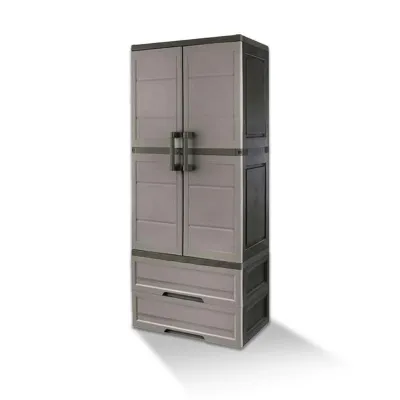
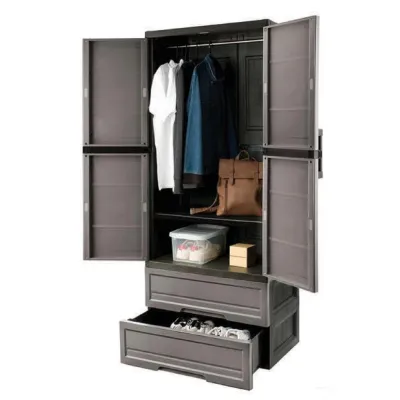
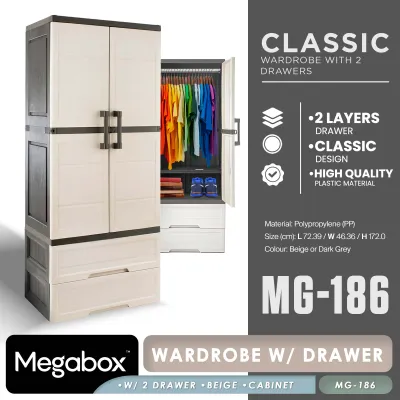
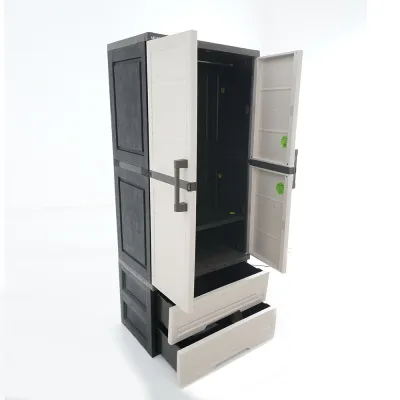
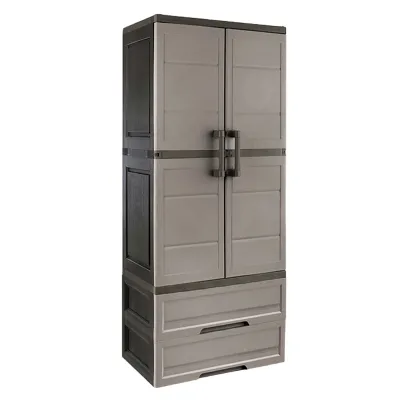
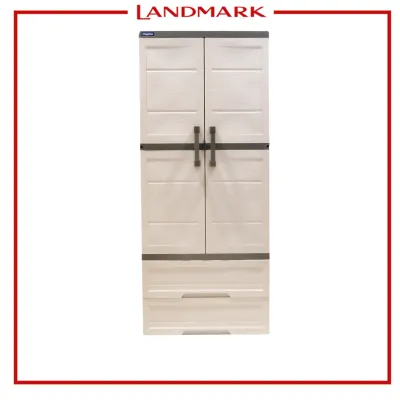
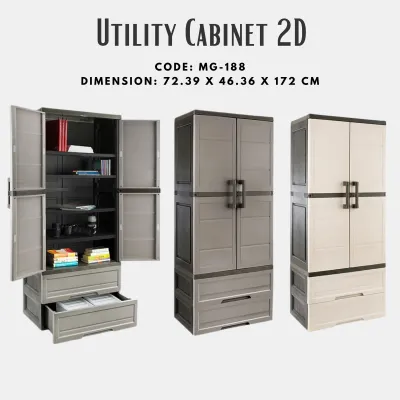
Prices are valid at publication and may change. Please refer to the product page for the latest price.
Finally, map out any fixed obstacles along the walls where the cabinet might stand. Take note of the locations of electrical outlets, light switches, wall moldings, baseboards, and window sills. Placing a heavy plastic cabinet directly over an outlet can restrict access to essential plugs for fans or phone chargers, while blocking a light switch creates daily inconvenience. If your room has baseboards, remember that they will prevent the cabinet from sitting completely flush against the wall, which slightly increases the depth of the footprint you need to plan for.
Matching Room Measurements to Cabinet Specifications
Once you have your room’s dimensions, you can begin cross-referencing them with the manufacturer’s official cabinet specifications. Always check the product labels, official website, or instruction manuals for the exact external width, height, and depth of the specific Megabox cabinet model you are considering. Avoid relying on visual estimates from online marketplace photos, as camera angles and staging can make a cabinet appear smaller or larger than it actually is in real life.

Beyond the static dimensions of the cabinet, you must calculate the dynamic clearance required for daily use. For cabinets with hinged doors, you need to factor in the swing radius of the doors. This means adding the width of the door panel to the cabinet’s depth to determine the total space required when the doors are fully open. If your bedroom layout is tight, you must also ensure there is enough room for you to stand comfortably in front of the open cabinet without being pinned against your bed or wall.
If a standard freestanding wardrobe takes up too much floor space, consider alternative configurations like modular stacking drawers. Modular plastic drawers offer excellent flexibility for small rooms because you can customize the height by adding or removing tiers to fit under low window sills or sloped ceilings. Freestanding wardrobes, on the other hand, provide dedicated hanging space for formal wear or uniforms but require a fixed vertical clearance that cannot be adjusted. Weigh these layout options against your room measurements to see which style fits your lifestyle.
Navigating Delivery and Installation Constraints
Selecting a cabinet that fits your bedroom is only half the battle; you must also ensure the product can physically reach its destination. Before placing an order, measure the width and height of your home’s entry points, including stairwells, elevator doors, and tight hallway corners. If you live in a multi-story condominium or apartment building, a pre-assembled cabinet might not fit inside a standard passenger elevator or navigate a narrow spiral staircase, making flat-pack or DIY-assembly models a more practical choice.
Once the package arrives at your home, verify the clearance of your bedroom door frame. If you purchased a pre-assembled plastic cabinet, the entire unit must be able to pass through the doorway without damaging the frame or the cabinet itself. For flat-pack models that require assembly inside the room, ensure you have cleared enough floor space to lay out the panels, connectors, and tools safely. Attempting to assemble a wardrobe in a cluttered, cramped space can lead to improper joint alignment or accidental damage to the plastic parts.
Stability and safety are paramount when installing lightweight plastic furniture in a small room. Because plastic cabinets can become top-heavy when loaded with folded clothes, heavy organizers, or bed linens, you must inspect the floor surface to ensure it is level. Refer to the manufacturer’s installation guide regarding weight distribution, placing heavier items on the bottom shelves to lower the center of gravity. If the manual recommends anchoring the cabinet to prevent accidental tip-overs, check your wall structure—whether it is concrete, hollow block, or drywall—to ensure you use the correct wall plugs and mounting hardware.
Optimizing Internal Storage for Compact Layouts
To make the most of a small bedroom, you need an internal storage system that maximizes every cubic centimeter of the cabinet’s interior. Begin by evaluating your wardrobe to decide between hanging space and shelving. In a compact room, maximizing shelf space is often more efficient than hanging clothes, as folded t-shirts, shorts, and jeans occupy less volume than garments hung on individual hangers. Utilizing fabric storage bins or plastic baskets on the shelves can help keep smaller items organized and prevent them from tumbling out.
If you require hanging space for school uniforms or office attire, check the interior depth of the cabinet before buying. Standard adult clothes hangers require an interior depth of at least 45 to 50 centimeters to hang straight. If the cabinet’s interior depth is too shallow, the hangers will sit at an angle, which can cause the clothes to bunch up and prevent the cabinet doors from closing properly. For shallower cabinets, utilizing pull-out valet rods or folding your garments may be necessary to keep the doors securely shut.
Finally, look for Megabox cabinet models that feature adjustable shelves or compatible modular inserts. Having the ability to change the height of individual shelves allows your storage system to adapt to your changing needs over time, such as accommodating taller boots, bulky bedding, or seasonal items. By planning your internal organization around your actual belongings, you can avoid the need for a larger external cabinet footprint, keeping your small bedroom open, organized, and comfortable.
Frequently Asked Questions (FAQ)
Can I place a Megabox cabinet directly in front of a window?
Placing a plastic cabinet directly in front of a window is generally not recommended due to environmental and practical concerns. In the tropical climate of the Philippines, blocking a window restricts natural ventilation and light, which can lead to increased humidity and moisture buildup behind the cabinet, potentially causing mold on your walls or clothes. Additionally, prolonged exposure to direct sunlight through the window can cause the plastic material to degrade, discolor, or warp over time, while also limiting your access to window latches and emergency exits. If you must place it near a window, leave a clear gap for airflow and use curtains to block direct sun.
How much clearance do I need for cabinet doors to open fully?
To open cabinet doors comfortably, you need a clearance depth equal to the width of the door panel plus at least 30 to 45 centimeters of standing space for yourself. For example, if a cabinet door is 40 centimeters wide, you should plan for at least 70 to 85 centimeters of clear space in front of the cabinet. If your bedroom layout cannot accommodate this swing space, consider choosing a model with sliding doors or utilizing a chest of drawers, which requires less forward clearance to access your belongings.

Community discussion
Share your experience or ask a question. Comments are reviewed before publication.