
Choosing the right Megabox cabinet wardrobe size requires balancing your bedroom’s physical footprint with your actual storage needs. A wardrobe that is too large can make a room feel cramped and block pathways, while one that is too small will quickly overflow, leaving your clothes disorganized. By measuring your space, assessing your wardrobe inventory, and understanding how to read product dimensions, you can find a unit that fits seamlessly into your home.
Measure Your Bedroom Space and Clearances
To find the right wardrobe size, start by taking precise measurements of the designated area in your bedroom. Use a metal tape measure to record the width, height, and depth of the wall space where you plan to place the cabinet. Do not rely on a single measurement; walls are rarely perfectly straight, so measure at the top, middle, and bottom of the wall to identify any discrepancies. Remember to account for baseboards, skirting boards, or wall outlets, as these can prevent the wardrobe from sitting completely flush against the wall.
Beyond the physical footprint of the cabinet, you must calculate the operational clearances required for daily use. If you choose a Megabox cabinet wardrobe with hinged doors, you need to ensure there is enough space for the doors to swing open fully without hitting your bed, nightstands, or other furniture. If your bedroom layout is tight, consider how much space remains when the doors are open, or look for models designed with sliding doors to save floor space.
Products mentioned in this guide
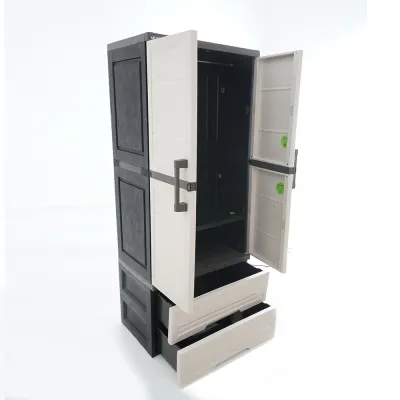
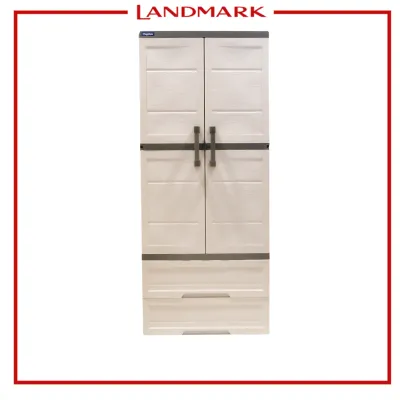
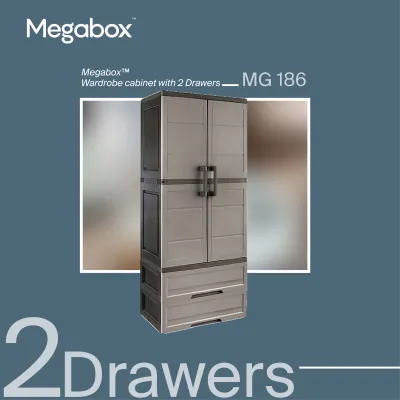
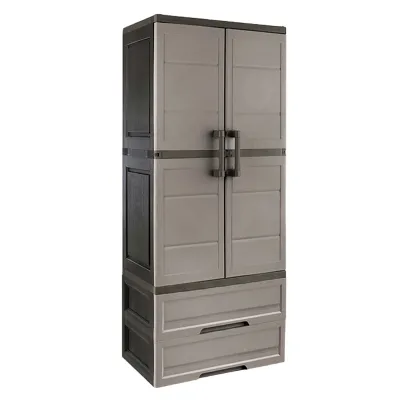
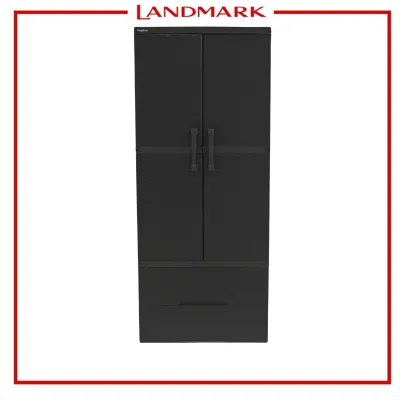
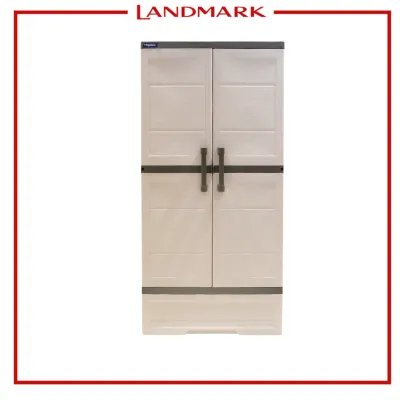
Prices are valid at publication and may change. Please refer to the product page for the latest price.
Finally, evaluate the walking paths around the wardrobe. You should be able to stand comfortably in front of the open cabinet, retrieve your items, and walk past the unit without obstruction. Blocking natural pathways can make your bedroom feel congested and inconvenient. Aim to maintain a clear walkway of at least 60 centimeters in front of the wardrobe to ensure comfortable movement.
Assess Your Clothing Volume and Storage Needs
Before browsing specific cabinet models, take a realistic inventory of your clothing and storage habits. Group your items into distinct categories, such as hanging garments, folded clothes, shoes, and smaller accessories. If you have a large collection of long dresses, formal shirts, or trousers, you will require more vertical hanging space. Conversely, if your wardrobe consists mostly of t-shirts, activewear, and folded jeans, you should prioritize a model with ample shelving or drawer space.

Estimate the linear hanging space you need by measuring your current closet setup or laying out your hanging clothes side by side. If you share the wardrobe with a partner, double your estimates and consider a multi-door configuration that allows for separate storage zones. Keep in mind that the type of hangers you use, such as thick plastic or wooden hangers, will also affect how much horizontal space your clothes occupy.
It is also wise to plan for future accumulation and seasonal changes. While tropical climates like the Philippines do not require heavy winter coats, you may still need space for extra bedding, travel bags, or seasonal accessories. Choosing a wardrobe with slightly more capacity than your current needs prevents the unit from being overloaded, which can strain the shelves and hinges over time.
Match Megabox Wardrobe Dimensions to Your Layout
Megabox cabinet wardrobes are available in various modular sizes and configurations, making it easier to find a match for your bedroom layout. When shopping, compare the manufacturer’s listed external dimensions against your measured wall space. Always verify the exact specifications on the product packaging or official retail listing before making a purchase, as dimensions can vary between different model series.
Pay close attention to the depth of the cabinet wardrobe. Standard clothes hangers require a certain depth to hang freely without touching the back panel or the front doors. If the wardrobe is too shallow, your clothes will sit at an angle, causing them to wrinkle, and the doors may not close properly. Ensure the internal depth of the model you select can comfortably accommodate your standard hangers.
Do not forget to utilize your room’s vertical space. If your bedroom has high ceilings, choosing a taller Megabox model allows you to maximize storage capacity without taking up additional floor area. This is an excellent strategy for smaller bedrooms, guest rooms, or studio apartments where floor space is limited but vertical wall space is abundant.
Configure the Interior for Maximum Capacity
The overall utility of your Megabox cabinet wardrobe depends heavily on how its interior is organized. Look for a model that offers a practical balance of hanging rods, shelves, and drawers to suit your specific clothing inventory. Adjustable shelving is highly beneficial, as it allows you to customize the height of each compartment to accommodate taller items like boots, storage boxes, or stacked linens.
Make the most of the upper sections of your wardrobe. The top shelves are ideal for storing bulky, infrequently used items such as spare pillows, blankets, or travel gear. Keeping these items out of the way frees up the lower, more accessible shelves and drawers for your daily-wear clothing, streamlining your morning routine.
If your storage needs change over time, check if your chosen Megabox model supports modular add-ons or adjustable components. A flexible interior design ensures that your wardrobe can adapt to your changing lifestyle, whether you need to add more shelving for folded clothes or install an extra hanging rod for a growing collection.
Common Sizing Mistakes to Avoid
One of the most frequent mistakes when buying a wardrobe is overlooking delivery and assembly access. Even if a cabinet fits perfectly in your bedroom, it must first pass through your front door, hallways, stairwells, or elevator doors. Always measure these entry points and compare them to the packaged dimensions of the wardrobe to avoid delivery headaches.
Another common oversight is ignoring ceiling fixtures and wall-mounted appliances. Ensure the top of your wardrobe does not block air conditioning units, wall fans, light fixtures, or window frames. Blocking these fixtures can restrict airflow, reduce natural light, and even prevent the wardrobe doors from opening fully.
Finally, avoid prioritizing external aesthetics over functional internal depth. A sleek, compact cabinet might look great in a small space, but if the internal hanging area is too narrow for your clothes, it will not serve its purpose. Always prioritize functional measurements to ensure your wardrobe is as practical as it is visually appealing.
Frequently Asked Questions (FAQ)
How much clearance is needed in front of a hinged wardrobe?
For a wardrobe with hinged doors, you should allow at least 90 to 100 centimeters of clearance in front of the unit. This provides enough space for the doors to swing open completely (typically 45 to 50 centimeters) plus an additional 45 to 50 centimeters of standing room so you can comfortably browse and retrieve your clothes.
Can I place a wardrobe directly in front of a window?
It is generally not recommended to place a wardrobe directly in front of a window. Doing so blocks natural light and restricts ventilation, which is crucial in humid tropical climates like the Philippines. Reduced airflow behind a large cabinet can trap moisture, leading to mold growth on both your walls and your clothing. If you must place it near a window, leave a gap of at least 10 to 15 centimeters to allow air to circulate.

Community discussion
Share your experience or ask a question. Comments are reviewed before publication.