
Selecting the ideal metal rack organizer for a small study room requires finding a balance between maximizing vertical storage and preserving precious floor space. In a compact home office, a well-chosen rack keeps essential reference books, documents, and electronic devices organized and within arm’s reach without making the room feel cramped. The most effective solution is a unit that matches your specific room dimensions, accommodates your workflow, and features adjustable components to adapt to your changing storage needs over time. By focusing on precise measurements, load capacities, and structural stability, you can select a durable organizer that enhances both the functionality and safety of your workspace.
Assessing Your Study Room Space and Clearances
Before browsing online marketplaces or visiting local home improvement stores, you must accurately measure your study room to understand its physical boundaries. Start by measuring the exact floor footprint where you plan to position the metal rack, noting the width and depth of the available floor area. Next, measure the vertical clearance from the floor to the ceiling, taking note of any low-hanging fixtures, air conditioning units, or wall-mounted fans that might obstruct a tall shelving unit. Do not forget to account for baseboards, wall trim, or electrical outlets along the bottom of the wall, as these features can prevent a flat-backed rack from sitting completely flush against the wall surface.
Beyond the static footprint of the rack itself, you must calculate the dynamic clearances required for daily activities within the study. Ensure there is sufficient space for your desk chair to roll back and turn freely without colliding with the shelving unit. Measure the swing paths of entry doors, closet doors, and windows to guarantee the rack will not block their movement or restrict access. Additionally, map out a clear walking pathway through the room, leaving enough clearance so that you can navigate the space comfortably without bumping into sharp metal corners.
Products mentioned in this guide
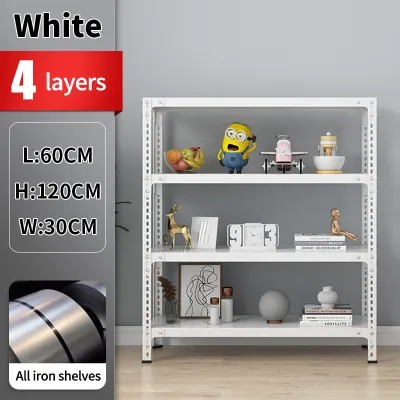
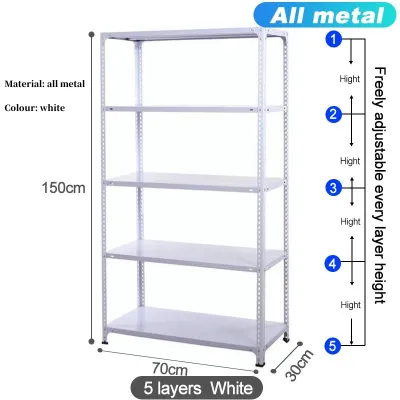
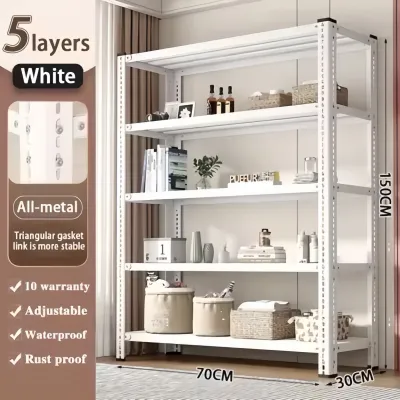
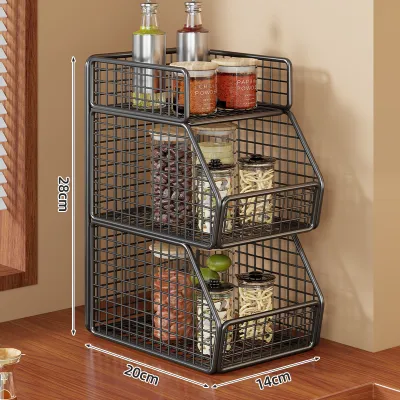

Prices are valid at publication and may change. Please refer to the product page for the latest price.
Finally, verify delivery access limits before purchasing. Measure the width of doorways, hallways, and stairwells through which the packaged or pre-assembled rack must pass. If you live in a multi-story home or condominium, these entry points dictate the maximum box size you can bring inside. Choosing a flat-packed, ready-to-assemble metal rack is often the most practical approach for tight spaces, allowing you to transport components easily before assembling the unit directly inside your study.
Matching Rack Dimensions and Footprint to Your Layout
The layout of your study room determines the most efficient shape and depth for your metal rack organizer. Standard utility racks often come in various depth options, and selecting the wrong one can quickly compromise your room’s flow. For tight spaces, a shallow rack depth is generally preferable because it keeps the walkway clear while still providing ample room for standard books and binders. If your study room is exceptionally narrow, consider a slim-profile unit that utilizes vertical height rather than floor depth to store your items.

If standard rectangular racks do not fit, alternative configurations can maximize underutilized areas. Corner metal racks transform awkward corners into functional storage zones without encroaching on the center of the room. Alternatively, over-desk shelving units utilize the vertical wall space directly above your workspace, keeping your desk surface clear of clutter while keeping reference materials within arm’s reach. These specialized configurations are highly effective for creating a streamlined, integrated workstation in very small rooms.
When planning the placement of your metal rack, you must also consider the thermal environment of your study, especially if you plan to store electronic equipment. If the rack will hold computers, printers, network routers, or uninterruptible power supplies, ensure there is adequate ventilation around the unit. Metal wire shelving is particularly advantageous in this scenario because the open-grid design allows air to circulate freely around warm electronics. This natural ventilation helps dissipate heat, preventing your devices from overheating in warm, humid tropical climates and extending the lifespan of your valuable office technology.
Evaluating Tier Configurations and Load Requirements
To determine the ideal tier configuration for your metal rack, begin by estimating the total volume and types of items you need to store. Group your study materials into categories, such as heavy textbooks, lightweight office supplies, storage boxes, and electronic devices. This inventory will help you decide how many shelves or tiers you require to keep everything organized. For instance, a five-tier rack offers excellent vertical storage for a diverse mix of items, while a three-tier rack might fit perfectly under a window or alongside a low desk.
Once you have an idea of your storage volume, you must verify the manufacturer’s load capacity specifications to ensure the rack can safely support your items. Look for the rated weight limit per shelf as well as the maximum total weight capacity for the entire unit. Heavy items like law books, medical encyclopedias, and paper reams accumulate weight rapidly, and overloading a shelf can lead to structural bowing or sudden failure. Always compare the estimated weight of your heaviest items against the manufacturer’s certified limits before placing them on the rack.
Opting for a metal rack with adjustable shelf heights provides significant long-term flexibility for a small study. Adjustable tiers allow you to customize the distance between shelves to accommodate oversized binders, tall storage bins, or specialized equipment. This adaptability is particularly useful if your storage needs change over time, allowing you to reconfigure the layout without needing to purchase an entirely new organizer. Ensure the shelf adjustment mechanism is secure and straightforward to operate, allowing you to make quick changes whenever necessary.
Checking Material Finishes and Stability Features
The durability and safety of a metal rack organizer depend heavily on its structural details and surface treatments. In humid tropical environments, unprotected metal is highly susceptible to rust and corrosion over time. When selecting a rack, inspect the product specifications for high-quality surface treatments, such as powder coating or epoxy finishes. These protective layers act as a barrier against moisture and scratches, ensuring the metal frame remains clean, professional-looking, and structurally sound even after years of use in humid conditions.
Stability is another critical factor, especially for tall or narrow metal racks placed in active home offices. Always verify whether the manufacturer includes an anti-tip kit, wall-anchoring hardware, or rear cross-bracing with the unit. Cross-bracing prevents the rack from swaying side-to-side under load, while wall anchors secure the frame directly to the wall structure, preventing accidental tip-overs. Even if you do not plan to load the rack to its maximum capacity, securing it to the wall is a vital safety measure that protects both your equipment and anyone using the room.
Additionally, pay close attention to the design of the rack’s feet. Look for units equipped with adjustable leveling feet, which allow you to compensate for uneven tiled or wooden floors common in many homes. Leveling feet ensure the rack remains perfectly upright and stable, eliminating wobbles that could cause items to slide off the shelves. Furthermore, check that the feet feature protective rubber or plastic caps to prevent the metal frame from scratching, denting, or scraping your study room’s floor finishes during installation or minor adjustments.
Common Sizing and Placement Mistakes to Avoid
One of the most common mistakes when installing a metal rack is ignoring the depth of the baseboards along the bottom of the wall. If you do not account for this trim, the bottom of the rack will be pushed away from the wall, causing the top of the unit to lean forward or leaving an unstable, dusty gap behind it. To avoid this, look for racks with recessed rear legs or adjustable leveling feet that can be set to accommodate the baseboard offset, allowing the upper frame to align safely against the wall.
Another hazardous mistake is overloading the top shelves of an unanchored, narrow metal rack. Placing heavy textbooks, printers, or storage boxes on the upper tiers raises the unit’s center of gravity, making it highly susceptible to tipping over if bumped or during minor seismic activity. Always place your heaviest items on the lowest shelves to maintain a stable base, and never skip installing the wall-anchoring hardware on tall units.
Finally, avoid choosing a rack depth or placement that interferes with the functional elements of your study room. A rack that is too deep can block the clearance needed to pull out your desk chair comfortably, restrict the opening of cabinet doors, or prevent windows from opening fully. Blocking a window not only limits natural light but also restricts fresh airflow, which is essential for maintaining a comfortable working environment. Carefully map out your room’s layout to ensure every door, drawer, and window remains fully operational after the rack is installed.
Frequently Asked Questions (FAQ)
How much weight can a typical metal rack hold?
To find the exact weight capacity of a metal rack, you must check the manufacturer’s product label, instruction manual, or official product listing. Weight capacities vary widely based on the thickness of the metal, the shelf design, and the overall construction quality. It is important to distinguish between static load ratings, which apply to items sitting completely still, and dynamic load ratings, which account for the movement of items being placed on or removed from the shelves. To ensure long-term safety, always distribute weight evenly across each shelf rather than concentrating heavy items in the center, and place your heaviest items on the bottom tiers to keep the center of gravity low.
Do I need to anchor a metal rack to the wall in a small room?
Yes, tall, narrow, or top-heavy metal racks generally require secure anchoring to the wall to prevent accidental tip-over incidents. In a compact study room where space is limited, you are more likely to bump into furniture during daily movements, making stability crucial. When installing the rack, follow the manufacturer’s included hardware instructions carefully. You must select the appropriate wall anchors based on your specific wall composition, whether it is concrete, hollow block, drywall, or wood. If you are unsure about your wall type or do not have the necessary tools for a secure installation, it is highly recommended to consult a qualified local professional to handle the mounting safely.

Community discussion
Share your experience or ask a question. Comments are reviewed before publication.