
Choosing a modern center table for your living room requires balancing visual appeal with physical proportions and daily utility. In Philippine homes, where living spaces range from cozy urban condominiums to airy open-plan houses, the center table serves as both a design anchor and a highly functional hub. Finding the right piece means looking beyond aesthetics to evaluate how a table interacts with your sofa, handles daily traffic, and withstands local environmental factors like high humidity.
By understanding the key principles of scale, material durability, and functional design, you can select a table that elevates your interior decor while serving your household’s daily needs. This guide walks you through the essential steps to measure your space, evaluate modern materials, assess practical features, and make a confident purchase.
Defining Your Living Room Space and Table Dimensions
To ensure comfortable movement throughout your living room, start by measuring the clearance around your seating area. Maintain a distance of 30 to 45 centimeters between the edge of the center table and the front of your sofa. This specific gap provides ample legroom for sitting and standing while keeping drinks, books, and remote controls within easy reach.
Products mentioned in this guide
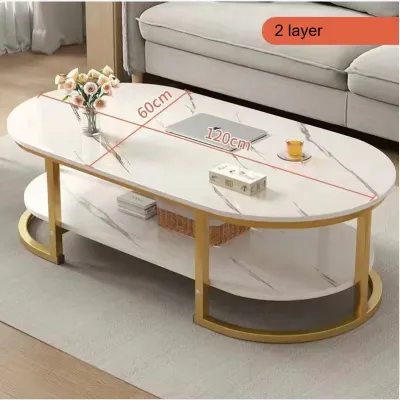
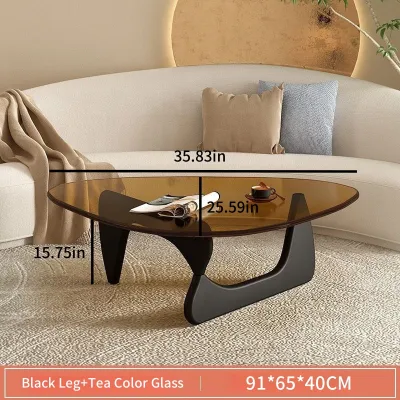
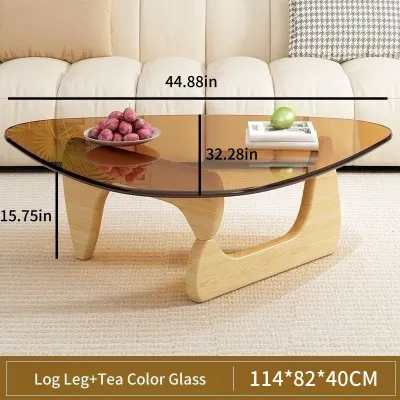
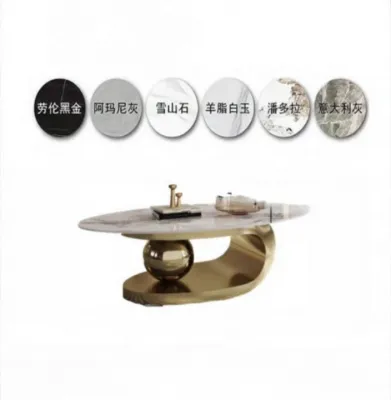
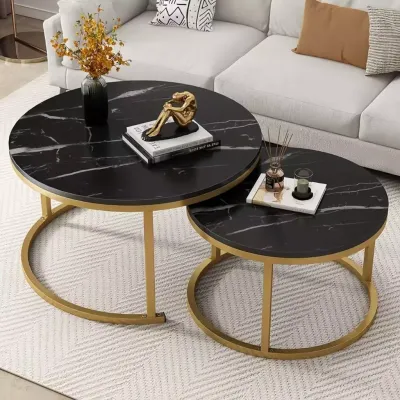
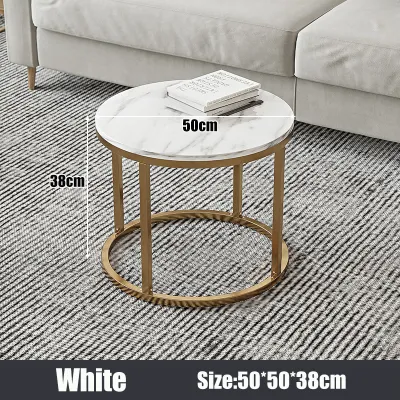
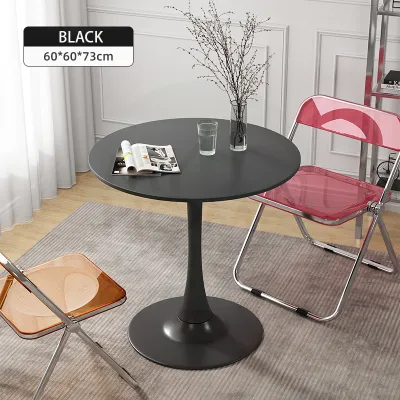
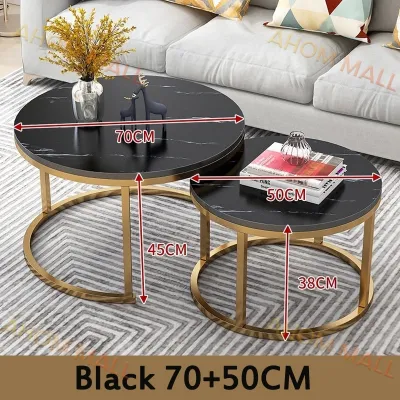
Prices are valid at publication and may change. Please refer to the product page for the latest price.
For the main walkways surrounding the outer edges of the table, aim for at least 60 to 75 centimeters of open space. This clearance ensures family members can walk through the living room without bumping into furniture or squeezing past walls. If your living room features reclining chairs or pull-out sofa beds, remember to measure the space with these items fully extended.
When matching the table to your sofa, a reliable rule of thumb is to select a center table that is approximately one-half to two-thirds the total length of your sofa. A table that is too short can look lost in front of a large couch, while an overly long table restricts entry and exit from the seating area. For L-shaped sectional sofas, measure the open space inside the L-shape to ensure the table fits comfortably within this nook without extending past the front edge of the chaise lounge.
Do not forget to consider your living room rug. If you use an area rug, the center table should ideally sit entirely within its boundaries, leaving a balanced border of rug visible on all sides to anchor the seating arrangement. A table that sits half-on and half-off a rug can wobble and disrupt the visual harmony of the room.
Before finalizing any purchase, measure your home’s entry points. Check the width and height of your front door, interior hallways, stairwells, and elevator doors. Many homeowners purchase beautiful, solid-piece tables only to find they cannot clear the tight corners of a condominium corridor or a narrow staircase. If access is tight, look for flat-packed models or tables with removable legs.
Evaluating Modern Design Styles and Materials
Modern design emphasizes clean lines, geometric simplicity, and a lack of unnecessary ornamentation. When shopping, look for tables that feature sleek rectangular, circular, or organic shapes paired with minimalist bases that keep the room feeling open. The goal is to find a piece that complements your existing furniture without overwhelming the space.

Material selection is critical, especially when accounting for the tropical climate of the Philippines. High humidity can cause solid wood tables to expand, contract, or warp if they are not properly sealed. If you prefer wood, verify that the piece has a moisture-resistant finish or opt for high-quality engineered wood with durable veneers that resist warping.
Glass-top tables are excellent for making small living rooms feel larger because they allow light to pass through, reducing visual weight. However, glass surfaces show fingerprints, dust, and water rings easily, requiring frequent wiping with a soft microfiber cloth. If you choose glass, look for frosted or tinted options to help minimize the appearance of smudges.
Sintered stone and ceramic tops have grown in popularity due to their exceptional scratch resistance and low maintenance. These materials do not absorb liquids, making them highly resistant to stains from spilled coffee or condensation from cold drinks. They also withstand heat, allowing you to place hot mugs directly on the surface without coasters.
Metal frames and bases offer excellent structural stability and a sleek, industrial-modern look. Look for powder-coated steel or rust-resistant aluminum frames to prevent corrosion over time, particularly in coastal areas or homes without continuous air conditioning. Matte black, brushed brass, and chrome finishes are popular choices that pair well with modern decor.
Examine the bottom of the table legs. Modern metal or wooden legs should always be fitted with protective glides, felt pads, or rubber feet. This prevents the heavy table from scratching delicate flooring materials like polished concrete, hardwood, or ceramic tiles when moved during cleaning or rearranging.
Assessing Functionality for Everyday Use
Consider how your household actually uses the living room. If your space doubles as a home office or a casual dining spot, a lift-top center table offers incredible versatility. These mechanisms allow a portion of the tabletop to raise up and forward, bringing the surface closer to you while you sit on the sofa, reducing strain on your back.
For homes that need to maximize storage, look for modern tables with integrated drawers, open lower shelves, or hidden compartments. These features help keep remote controls, magazines, chargers, and coasters organized and out of sight, maintaining a clean, minimalist aesthetic. Open shelving is great for displaying decorative books, while closed drawers hide daily clutter.
In compact living rooms or studio apartments, nesting tables provide a highly flexible solution. These sets consist of two or three tables of graduating sizes that slide completely underneath one another when not in use, freeing up valuable floor space. When guests arrive, you can easily pull the nesting tables apart to create extra surfaces for drinks and snacks.
This modular approach allows you to adapt your living room layout on the fly without committing to a single, bulky piece of furniture. Some modular designs even feature stools that tuck neatly under the table, providing extra seating when needed and sliding away when the gathering is over.
Always check the manufacturer’s specified weight capacity before purchasing. If you plan to display heavy art books, large ceramic vases, or occasionally rest your feet on the table, ensure the frame and joints are engineered to support that load without flexing or wobbling. A sturdy base is essential for preventing accidental tip-overs, especially if pets or children are in the home.
Building Your Shortlist: What to Check Before Buying
Before placing an order, review the assembly requirements. Some modern center tables arrive fully assembled, while others require extensive home assembly. Check if the package includes all necessary tools, or if you will need your own screwdriver, hex keys, or rubber mallet. If you are not comfortable with DIY assembly, look for retailers that offer professional installation services.
Examine the structural joining methods described in the product specifications. High-quality tables use sturdy metal-on-metal hardware, dowels, or mortise-and-tenon joints. Avoid tables that rely solely on simple glue or thin wood screws, as these joints can loosen over time with regular use, leading to a wobbly and unsafe table.
Read the manufacturer’s care instructions carefully. Some materials require specialized cleaning agents, while others can be maintained with a simple damp cloth. Understanding these requirements beforehand ensures you do not accidentally damage the finish with harsh household chemicals or abrasive sponges.
Inquire about the retailer’s warranty terms and return policies. A reliable warranty should cover manufacturing defects, structural failures, or hardware issues for a reasonable period. Make sure you understand who covers the shipping costs if a return or replacement is necessary, as shipping large furniture items can be expensive.
Confirm the delivery conditions with the seller. Ask whether the delivery service includes bringing the item inside your home, carrying it up stairs, or unboxing and assembling it. Clarifying these logistics beforehand prevents unexpected challenges on delivery day and ensures your new center table arrives safely in your living room.
Frequently Asked Questions (FAQ)
How high should a modern center table be compared to the sofa?
The top surface of your center table should ideally sit at the same height as your sofa’s seat cushions, or up to 5 centimeters lower. This alignment creates a clean, continuous horizontal line across your living room, which is a hallmark of modern interior design.
An aligned height also ensures ergonomic comfort. If the table is too high, it blocks your view of the television and makes the room feel cramped. If it is too low, reaching for a glass or a book requires awkward bending, which can be uncomfortable for family members and guests.
What shape works best for a small living room?
Round or oval center tables are generally the best choice for small or narrow living rooms. Because they lack sharp corners, they allow for smoother foot traffic and reduce the risk of painful bumps in tight walkways.
Additionally, round tables have a softer visual footprint. When paired with an open, slender metal base or a transparent glass top, a circular table allows light to flow through the room, creating the illusion of a more spacious and airy environment.
Are glass-top center tables safe for homes with children?
If you have young children or pets, safety is a primary concern. If you choose a glass table, always verify that the product label specifies tempered glass or safety glass. Tempered glass is designed to crumble into small, dull pieces rather than shattering into sharp, dangerous shards if broken.
For active households, it is often safer to choose tables with rounded corners, smooth beveled edges, or alternative materials. Sintered stone, high-pressure laminates, or sealed wood offer excellent durability and modern style without the safety risks associated with large glass surfaces.

Community discussion
Share your experience or ask a question. Comments are reviewed before publication.