
Selecting a coffee table for a compact condominium in the Philippines requires balancing limited floor space with daily functional needs. In a typical high-rise unit, every piece of furniture must justify its footprint by serving multiple purposes. A well-chosen multi-functional coffee table does more than hold a cup of coffee; it can transform into a dining table, provide a stable workspace, or conceal household clutter. By focusing on precise spatial measurements, mechanical durability, and climate-appropriate materials, you can find a piece that enhances your living area without restricting movement.
Assessing Your Living Room Space and Daily Needs
Before browsing online marketplaces or visiting local showrooms, you must establish the physical boundaries of your living room. Start by measuring the exact distance between the front edge of your sofa and the opposite wall or television console. This measurement determines the maximum allowable depth of your coffee table while still leaving room to walk. In tight condo layouts, a table that is too deep will force you to shuffle sideways or bump your shins.
Next, identify the primary spatial bottlenecks you face on a daily basis. Many modern Philippine condos lack dedicated dining areas, forcing residents to eat at a kitchen counter or on the sofa. If you frequently work from home, you might also lack space for a permanent desk. Pinpointing whether you need a dining surface, a laptop desk, or simply more storage to hide clutter will guide you toward the correct table design.
Products mentioned in this guide
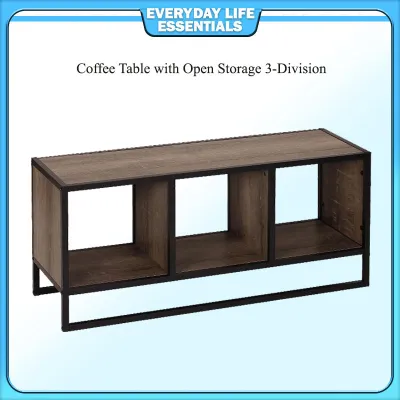
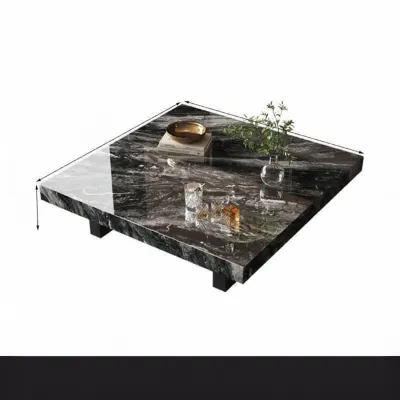
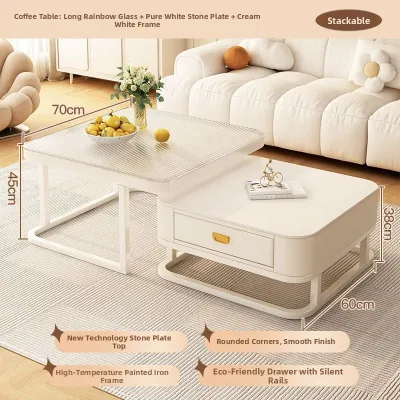


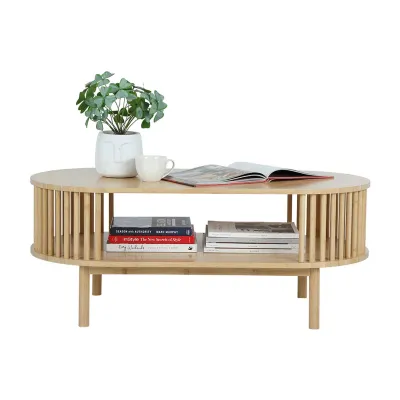
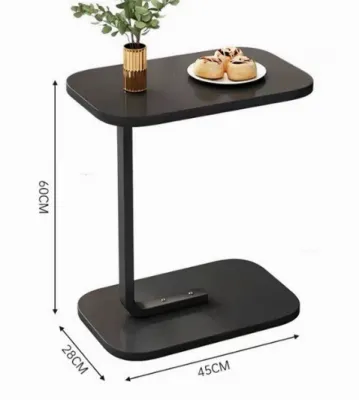
Prices are valid at publication and may change. Please refer to the product page for the latest price.
Finally, evaluate the traffic flow around the seating area. A coffee table should never block the natural walking paths through your unit, especially the route to the balcony, kitchen, or bathroom. If your living room serves as a main thoroughfare, a rounded or oval table might be more suitable than a rectangular one with sharp corners. Ensuring a clear path keeps the space feeling open and prevents accidental collisions in low-light conditions.
Types of Multi-Functional Coffee Tables for Compact Spaces
Multi-functional coffee tables rely on clever engineering and structural adaptability to maximize limited square footage. Different mechanical designs address distinct lifestyle challenges, from hidden compartments that swallow up clutter to expanding surfaces that accommodate guests. Understanding these categories allows you to match a table’s specific utility to your daily routine.

Lift-Top Designs for Dining and Working
Lift-top coffee tables feature a top surface that rises upward and forward on a mechanical hinge, bringing the tabletop closer to you while you sit on the sofa. This design is highly practical for condo dwellers who use their living room as a temporary home office or a casual dining space. When evaluating these tables, check the stability of the lifting mechanism in its fully extended position. Look for sturdy steel brackets and smooth gas struts or spring-loaded hinges that do not wobble when light pressure is applied.
The extended height of the tabletop must align comfortably with your sofa’s seat height. Ideally, the lifted surface should sit approximately 20 to 24 centimeters above the sofa cushions to allow for comfortable typing or dining without straining your shoulders. If the table is too high, you will find yourself reaching upward; if it is too low, you will have to hunch forward.
Additionally, verify that the extended top does not block your view of the television or restrict movement in the surrounding walkway. When the top is lifted, it projects forward, temporarily reducing the clearance between the table and the sofa. Ensure your legs have enough clearance underneath the raised top, and check that the extended footprint does not collide with side tables or nearby walls.
Hidden Storage and Shelving for Clutter Control
For condos struggling with persistent clutter, a coffee table with built-in storage compartments keeps daily essentials out of sight but within easy reach. When choosing between different storage styles, compare hinged lift-up lids with sliding drawers or open lower shelves. Hinged lids require you to clear the tabletop completely before accessing the interior, which can be inconvenient if you keep decorative items or drinks on the surface. Sliding drawers offer easier access, but they require sufficient floor clearance to pull open fully without hitting your sofa or shins.
Assess the internal depth and dimensions of the storage compartments against the specific items you plan to store. If you want to hide bulky items like extra throw blankets, board games, or seat cushions, look for deep trunk-style tables. For smaller items like remote controls, chargers, and magazines, shallow drawers or divided cubbies are more efficient and prevent items from getting lost at the bottom.
Safety and noise reduction are also critical, particularly in compact, shared living spaces. Check for soft-close drawer glides or safety hinges on lift-up compartments. These mechanisms prevent the heavy lid or drawer from slamming shut, protecting your fingers from injury and reducing sudden, disruptive noises in a quiet condo building.
Nesting and Expandable Tables for Flexible Seating
Nesting and expandable coffee tables offer a modular approach to space management, allowing you to scale your surface area up or down as needed. Nesting sets typically consist of two or three tables of graduating sizes that slide completely underneath one another when not in use. This configuration is highly suitable for hosting guests, as you can pull out the smaller tables to hold drinks and snacks, then tuck them away to reclaim floor space once your visitors leave.
Before purchasing, evaluate the total footprint of the nesting set when all pieces are fully tucked together. The primary table must fit comfortably within your daily layout without crowding the sofa. You should also check the weight of the individual nesting pieces to ensure they are light enough to be moved easily by one person without scratching your flooring.
If you choose an expandable table with folding leaves or slide-out panels, verify the fully extended dimensions. Ensure that when the table is completely open, it does not block access to balcony doors, light switches, or electrical outlets. The expanded layout should remain temporary, allowing you to return the room to its spacious, walkable state for daily living.
Critical Dimensions and Clearance Checks
To ensure your new coffee table integrates seamlessly into your condo, you must adhere to standard furniture clearance guidelines. The ideal distance between the edge of your sofa cushions and the edge of the coffee table is between 35 and 45 centimeters. This gap provides enough legroom for you to sit comfortably and allows you to walk between the pieces without squeezing, while still keeping the tabletop within easy reach.
The resting height of the coffee table is equally important for comfort and visual balance. As a general rule, the tabletop should sit level with or up to 5 centimeters below the top of your sofa’s seat cushions. A table that is significantly taller than your sofa cushions can make the room feel cramped and creates an awkward angle for setting down drinks or remote controls.
Finally, you must account for the full operational radius of any moving parts. If the table features drawers that slide outward, measure the depth of the drawer when fully extended and add at least 30 centimeters of clearance for your body to stand or kneel while opening it. For lift-top tables, map out the diagonal path the top takes as it moves upward and forward to ensure it does not strike your knees or collide with a low-hanging pendant light.
Material and Finish Considerations for Humid Environments
The tropical climate of the Philippines, characterized by high humidity and seasonal dampness, demands careful attention to furniture materials and finishes. Many budget-friendly coffee tables utilize engineered wood, such as medium-density fiberboard (MDF) or particleboard. While these materials are common, they are highly susceptible to moisture absorption if not properly sealed. Review the manufacturer’s specifications to confirm if the engineered wood has been treated for moisture resistance, and inspect the product for high-quality laminates or wood veneers.
Pay close attention to the edges and joints of the table. Unsealed edges or poorly applied edge banding can allow humid air or spilled liquids to penetrate the core material, leading to swelling, warping, or peeling. Look for tables with fully sealed edges, seamless polyurethane coatings, or water-resistant topcoats that protect the underlying wood from daily wear and environmental moisture.
Metal components, such as frames, legs, and internal mechanical hinges, must also be evaluated for durability in humid conditions. Untreated iron or low-grade steel can rust quickly, causing hinges to squeak, stick, or fail entirely. Prioritize tables that feature powder-coated steel, stainless steel, or aluminum hardware. A high-quality powder coating acts as a barrier against moisture, ensuring that lift-top mechanisms and drawer glides operate smoothly for years to come.
Shopping Checklist and Delivery Verification
Before finalizing your purchase, you must verify the logistics of getting the coffee table into your condo unit. Many high-rise developments in the Philippines have strict service elevator dimensions and narrow stairwells. Measure the height, width, and depth of your building’s elevator, as well as the clearance of your unit’s front door frame. Compare these measurements against the packaged shipping dimensions provided by the retailer to ensure the box can physically reach your floor and pass through your doorway.
Because multi-functional coffee tables rely on moving parts, reviewing the retailer’s warranty and return policy is essential. Check if the warranty covers mechanical components, such as gas struts, spring hinges, and drawer glides, rather than just the structural frame. A reliable warranty provides peace of mind, especially for lift-top tables that undergo daily mechanical stress.
Lastly, review the assembly requirements before the table arrives. Multi-functional furniture often features complex hardware and precise alignment steps. Check if the product manual is available online to see if specialized tools are required, or if the assembly is manageable for one person. If the table requires securing to a wall or involves heavy, complex mechanical parts, consider hiring professional assembly services to ensure the table is put together safely and functions correctly.
Frequently Asked Questions (FAQ)
How much weight can a typical lift-top coffee table hold when extended?
The weight capacity of a lift-top coffee table varies significantly depending on the quality of the hinges and the manufacturer’s design. Generally, the extended tabletop is designed to support light items such as laptops, books, and dining plates, rather than heavy objects. Always consult the product manual or manufacturer specifications for the exact weight limits of both the closed and extended positions. To prevent mechanical failure or tipping, avoid leaning your body weight on the extended edge or placing heavy storage boxes on the top when it is raised.
Are glass-top coffee tables safe for small condos with children or pets?
Glass-top coffee tables can make a small condo feel larger by allowing light to pass through, but they require careful safety considerations in active households. If you choose glass, it is absolutely necessary to verify that the table uses tempered safety glass, which is designed to resist impacts and break into small, blunt pieces rather than sharp shards. To minimize the risk of injury in tight walkways, look for tables with rounded, beveled, or padded edges. If your condo experiences high foot traffic or frequent bumps from children or pets, alternative materials like solid wood or high-pressure laminate may offer greater peace of mind.
Can I assemble a multi-functional coffee table by myself?
While many multi-functional coffee tables are designed for home assembly, models with moving parts can be challenging to put together alone. Aligning lift-top hinges, gas struts, or sliding drawer tracks requires precision to ensure smooth operation and prevent premature wear on the hardware. Having a second person to hold the heavy tabletop or frame steady while you secure the screws makes the process much safer and more accurate. If you encounter misaligned pre-drilled holes or if the mechanism feels stiff or unstable after assembly, consult the manufacturer’s customer service or seek professional assembly assistance.

Community discussion
Share your experience or ask a question. Comments are reviewed before publication.