
Selecting the right packing materials is the foundation of a successful, stress-free relocation. In the Philippines, where tropical weather, high humidity, and sudden rain showers are common, relying solely on standard cardboard boxes can put your valuable belongings at risk. A durable organizer storage box provides a robust alternative, offering superior structural integrity, moisture protection, and long-term reusability. Unlike cardboard, which can soften in humid conditions or tear under sudden stress, high-quality plastic containers safeguard your items from dust, pests, and impact during transit.
To ensure your lipat bahay goes smoothly, you must look beyond simple storage capacity. The ideal moving container must withstand the physical demands of being lifted, stacked, and transported over bumpy roads. By evaluating key structural features, matching container types to your specific household items, and measuring your transport pathways, you can protect your investments and streamline the unpacking process at your new home.
Key Features to Evaluate in Moving Storage Boxes
When preparing for a move, it is essential to distinguish between boxes designed for static closet storage and those built for active transit. Static storage boxes often feature thin walls and loose-fitting lids because they are meant to sit undisturbed on a shelf. For a house move, your organizer storage box must possess specific heavy-duty features to survive the journey.
Products mentioned in this guide
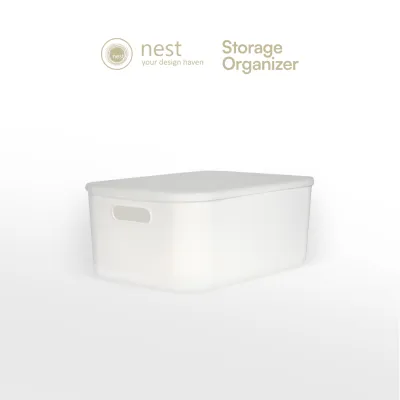
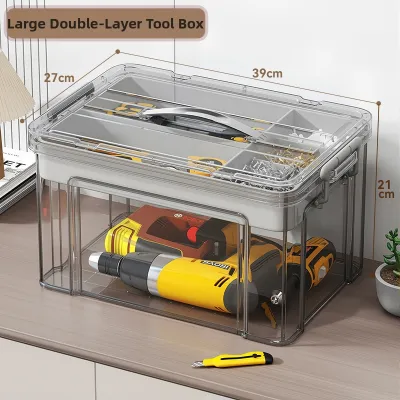
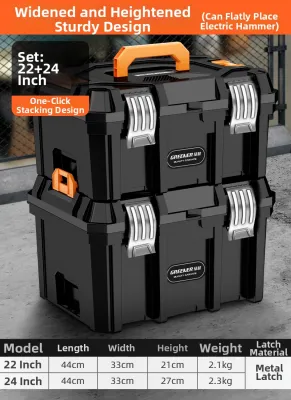
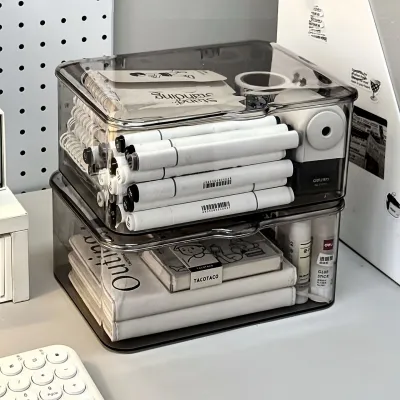
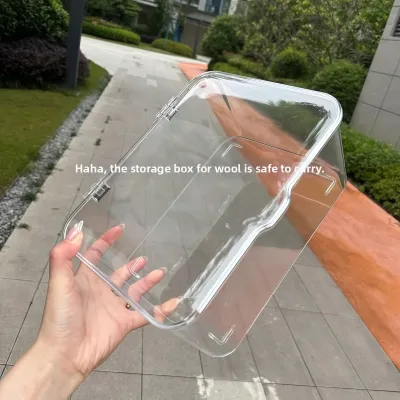
Prices are valid at publication and may change. Please refer to the product page for the latest price.
First, prioritize stackability and interlocking lid designs. During transit, boxes will inevitably be stacked on top of one another inside a moving truck or personal vehicle. Look for lids with deep, recessed channels that match the footprint of the box’s base. This interlocking design prevents the boxes from sliding horizontally when the transport vehicle turns corners or brakes suddenly. A secure stack minimizes the risk of a column toppling over and damaging fragile items nearby.
Second, examine the handles and base structure. Standard clip-on handles or simple lip edges can easily snap or slip from your grip when carrying heavy loads. Instead, opt for boxes with integrated, molded handles that are part of the main body structure. These handles distribute the lifting force more evenly. Additionally, look at the bottom of the box; a high-quality moving container features reinforced structural ribbing across the base. This ribbing prevents the plastic from bowing downward under weight, which can cause the bottom to crack or press down on the items in the box below.
Third, secure latching mechanisms are non-negotiable. Simple press-fit lids are prone to popping open when the box is jostled or slightly compressed. Choose containers equipped with heavy-duty snap-lock latches or wing-locks that clamp the lid firmly to the base. This tight seal not only keeps the lid secure during rough handling but also prevents dust, dirt, and pests from entering the box during the transition.
Finally, consider the balance between material transparency and structural strength. Clear plastic organizer storage boxes allow you to identify contents instantly without opening them, which is incredibly helpful during the unpacking phase. However, solid-colored, industrial-grade utility totes are often made from denser, high-impact plastics that offer superior durability. If you choose solid-colored boxes, ensure they have flat, textured surfaces where masking tape or adhesive labels can stick securely, allowing you to clearly mark the contents and destination room of each container.
Matching Box Types to Your Household Belongings
A common mistake during a move is treating all belongings the same and packing them into whatever container is closest at hand. To maximize space and prevent damage, you must systematically match your household items to the appropriate size and style of organizer storage box.

Before packing, assess both the volume and the weight of your items. The fundamental rule of packing is to place heavy items in smaller containers and lighter items in larger ones. For example, dense items such as books, kitchen appliances, tools, and heavy cookware should be packed into smaller, highly rigid boxes. This prevents the container from becoming too heavy to lift safely and reduces the risk of the plastic flexing or cracking under extreme weight.
Conversely, reserve your large organizer storage boxes for lightweight, bulky items. Bedding, pillows, blankets, winter clothing, and soft toys are ideal candidates for larger containers. Even if a large box is filled to capacity with these items, it will remain light enough for easy carrying, and the walls of the box will not be subjected to excessive outward pressure.
For fragile decor, glassware, shoes, or small accessories, utilize compartmentalized or divided boxes. Specialized organizer storage boxes with adjustable internal dividers keep individual items isolated, preventing them from knocking against each other during transit. If you do not have divided boxes, you can create a similar effect by placing smaller modular organizer trays inside a larger, heavy-duty storage box. This layered approach keeps small items organized and prevents them from shifting into a chaotic jumble.
Lastly, pack a dedicated daily essentials box for your first night in the new home. This container should hold toiletries, a change of clothes, basic tools, chargers, medications, and important documents. Use a highly visible, distinctively colored box for these essentials, and ensure it is loaded last into the moving vehicle. This guarantees it will be the first box unloaded, allowing you to settle in comfortably without rummaging through dozens of sealed containers.
How to Measure Your Space and Transport Vehicle
Purchasing the sturdiest boxes in the world will not help if they cannot fit through your front door or into your moving vehicle. Precise measurements are critical to avoiding logistical bottlenecks on moving day.
Begin by measuring the doorways, stairwells, and elevator dimensions in both your current residence and your new home. Take note of any tight corners, low ceilings, or narrow hallways. If you live in a high-rise condominium, check the elevator door clearance and interior cabin height. Your chosen organizer storage box must be able to pass through these bottlenecks easily, even when carried by two people.
Next, calculate the usable cargo space of your moving vehicle. Whether you are hiring a professional moving truck or using a personal SUV, obtain the exact interior width, depth, and height of the cargo area. Compare these dimensions with the external measurements of your storage boxes. This allows you to plan a stacking grid, ensuring you can fit the boxes tightly together without leaving empty, awkward gaps that could cause the load to shift during transit.
During the packing phase, plan your indoor floor space carefully. Do not let packed boxes clutter your living areas and block pathways. Designate a specific staging area, such as a corner of the living room or garage, where packed boxes can be stacked systematically. Ensure that you leave wide, clear pathways to the main exit so that movers can navigate safely while carrying heavy loads.
Finally, check the width of your hallways and doorways against the width of a person carrying a box. When you hold an organizer storage box by its side handles, your elbows and hands extend outward. Ensure there is sufficient clearance on either side of the doorway to prevent scraped knuckles or dropped boxes. If space is exceptionally tight, look for boxes with handles that do not protrude excessively from the main body.
Packing and Stacking Strategies for Safe Transit
Even the most durable organizer storage box can fail if packed poorly or stacked incorrectly inside a moving vehicle. Implementing proper packing and stacking strategies is vital to ensuring your belongings arrive intact.
Always apply weight distribution principles when stacking boxes. Place the heaviest, most rigid containers at the bottom of the stack to create a solid foundation. As you build the stack upward, place progressively lighter boxes on top. Never place a heavy box on top of a lighter, more flexible container, as this can cause the lower lid to cave in, crushing the contents inside and destabilizing the entire stack.
Inside each box, eliminate empty space by using appropriate void fill. When items are allowed to slide around, they can break or cause the box to become unbalanced during carrying. Use bubble wrap, packing paper, or clean household textiles like towels, blankets, and t-shirts to fill any gaps. Gently shake the packed box before sealing it; if you hear or feel items shifting, add more padding until the contents are snug and secure.
Before loading the boxes into the vehicle, double-check that all lids are fully seated and latches are securely locked. For added security, especially with heavy or highly valuable items, wrap packing tape or heavy-duty strapping around the box and lid. This provides an extra layer of reinforcement, ensuring the lid remains attached even if the box is subjected to sudden impacts or drops.
When loading the moving vehicle, create a stable base by packing the boxes tightly against each other and against the vehicle’s walls. This minimizes lateral movement. Use cargo straps, tie-downs, or cargo nets to anchor the stacks to the vehicle’s tie-down points. This is particularly important when navigating uneven roads, speed bumps, or steep inclines, which are common in many residential areas.
What to Verify Before Buying Online or In-Store
With numerous options available on the market, selecting the right organizer storage box requires careful verification. Whether you are purchasing online or visiting a physical retail store, taking the time to inspect the product details will save you from buying substandard containers.
When shopping online, carefully check the manufacturer specifications. Look for details regarding material composition; high-density polyethylene (HDPE) and heavy-duty polypropylene (PP) are excellent choices for moving boxes due to their impact resistance and flexibility. Pay close attention to the stated load limits and wall thickness. Avoid listings that omit these specifications, as they may be designed only for light, seasonal storage.
Read user reviews on ecommerce platforms to gather real-world feedback. Filter the reviews to look for keywords like “moving,” “heavy,” “cracked,” or “handles.” Pay attention to how the boxes performed under load and whether other buyers experienced issues with brittle plastic or latches popping open during transport. Reviews with photos or videos can provide valuable insights into the actual color, thickness, and quality of the boxes.
If you are purchasing in-store, conduct a physical inspection of the boxes before buying. Press down firmly on the center of the lid to test its flexibility and strength; a good moving box lid should resist bowing. Inspect the corners, handles, and hinges for any signs of thin plastic, stress marks, or poor alignment. Test the latches multiple times to ensure they snap shut securely and do not release too easily.
Lastly, verify the seller’s return and exchange policies, especially when purchasing boxes in bulk. It is not uncommon for plastic items to suffer damage during shipping from the warehouse to your home. Ensure that the retailer offers a straightforward return policy so you can quickly replace any cracked or defective boxes before your scheduled moving day. While heavy-duty options may require an initial investment of several hundred ₱ per container compared to cardboard, their long-term reusability makes them highly cost-effective.
Frequently Asked Questions (FAQ)
Can I use standard home storage boxes for moving heavy items?
Standard home storage boxes are generally not recommended for moving heavy items like books, tools, or dense kitchenware. These everyday containers are typically made from thin-walled plastic designed for static closet storage, meaning they lack the structural reinforcement needed to handle dynamic weight during transit. Packing them with heavy items can cause the bottom to sag, the handles to tear, or the corners to crack when lifted. Always check the manufacturer’s specified weight capacity and choose heavy-duty, reinforced utility totes for dense belongings.
How do I protect my belongings from moisture during a rainy move?
To protect your belongings from moisture during a rainy move, choose plastic organizer storage boxes with tight-fitting lids, preferably those featuring integrated rubber gaskets or weather-resistant seals. For added protection, line the inside of the boxes with heavy-duty plastic trash bags or waterproof liners before packing your items. You can also wrap the exterior of the sealed boxes in stretch film to prevent water from seeping through the seams. During loading and unloading, keep the boxes elevated off wet ground by placing them on pallets or tarps, and move them quickly under cover.

Community discussion
Share your experience or ask a question. Comments are reviewed before publication.