
Choosing the right Orocan cabinet for your home requires matching the physical dimensions of your room with your specific wardrobe volume, while verifying the structural limits of the plastic unit to ensure long-term durability. In the Philippines, where high humidity, seasonal rains, and persistent pests like termites can quickly compromise traditional wooden wardrobes, plastic cabinets have become an essential household staple. Brands like Orocan offer lightweight, moisture-resistant, and highly practical alternatives that protect your belongings. However, selecting the perfect model requires a systematic approach. To make an investment that truly serves your household, you must evaluate your physical space, audit your clothing volume, understand different cabinet configurations, and verify structural safety features before making a purchase.
Measure Your Space and Check Accessibility
Before browsing online marketplaces or visiting a local department store, you must accurately measure the designated area in your room. Use a reliable metal measuring tape rather than relying on visual estimates. Measure the maximum width, depth, and height available. When measuring depth, remember to account for baseboards or wall moldings that might prevent the cabinet from sitting completely flush against the wall.
Clearance is another critical factor that is easily overlooked. A cabinet might fit perfectly when closed, but you must ensure there is enough clearance for drawers to slide out fully or for doors to swing open without hitting your bed, desk, or doorway. As a general rule, leave at least the depth of the drawer plus an additional thirty centimeters of walking space in front of the unit to allow for comfortable access.
Products mentioned in this guide
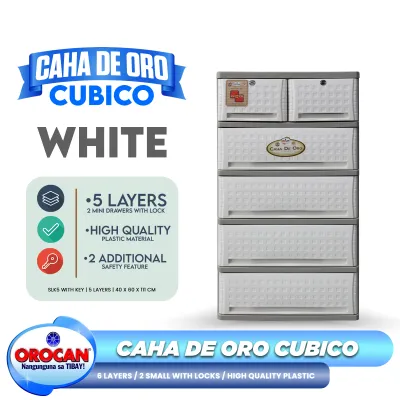
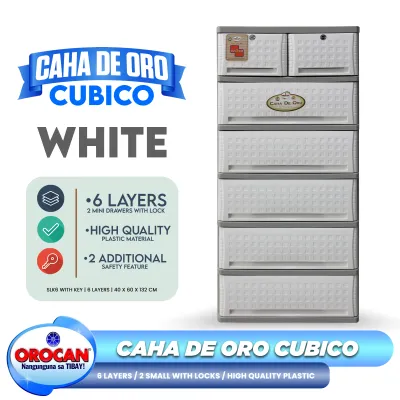

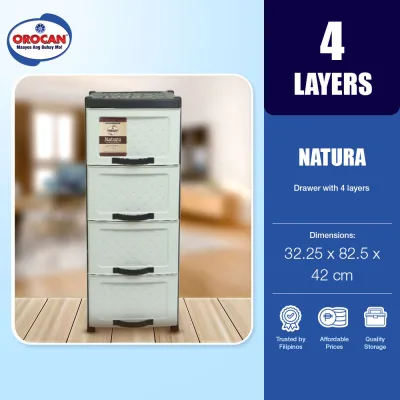
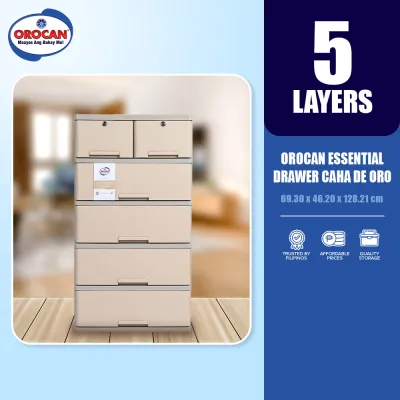
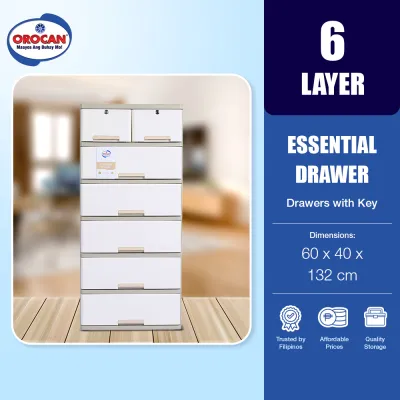
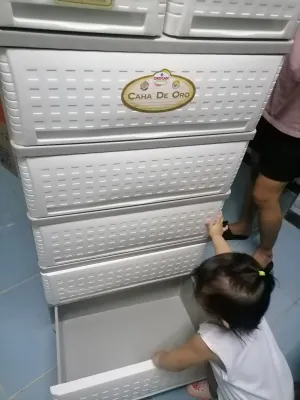
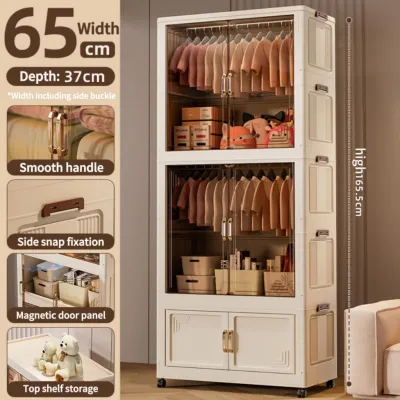
Prices are valid at publication and may change. Please refer to the product page for the latest price.
Do not limit your measurements to the final resting spot of the cabinet. You must also map out the entire path of transit from your home’s entrance to the bedroom. Measure the width and height of all doorways, narrow hallways, tight stairwells, and elevator doors. If you are purchasing a pre-assembled model, a mismatch of even a few centimeters can result in a cabinet that is stuck in a corridor or unable to turn a tight corner on a staircase.
Finally, assess the condition of your floor. While plastic cabinets are highly resilient against moisture, they require a level surface to function correctly. Uneven tiled floors or sloped concrete can cause the flexible plastic frame to twist slightly over time. This warping puts uneven pressure on the drawer tracks, leading to sticking, jamming, or doors that refuse to stay shut. If your floor is uneven, look for models with adjustable feet or plan to use shims to level the base.
Evaluate Your Clothing Volume and Item Types
An effective storage solution must match the specific items you plan to store. Before choosing a cabinet style, conduct a thorough audit of your wardrobe. Group your clothing into categories to determine whether you need more hanging space or drawer storage.

Differentiate between garments that must be hung and those that can be folded. Items like school uniforms, office shirts, dresses, and delicate fabrics are best suited for wardrobes equipped with hanging rods to prevent creasing. Conversely, t-shirts, shorts, activewear, and undergarments are highly compressible and are best organized in deep drawers where they can be stacked or filed vertically.
Weight distribution is a vital consideration for the longevity of plastic furniture. Categorize your clothing by weight, separating heavy fabrics like denim jeans, thick sweaters, and jackets from lightweight cotton basics. Plan to store your heaviest items in the bottom drawers of the cabinet. This low center of gravity improves the overall stability of the unit and prevents the upper drawers from sagging or deforming the tracks.
Do not forget to account for non-clothing items that often find their way into bedroom cabinets. Bulky bedding, extra pillows, bedsheets, towels, or even seasonal accessories require significant volume. If you plan to store these items, you will need to look for configurations that feature deep bottom drawers, spacious top shelves, or dedicated lockable compartments for valuable personal documents.
Match Orocan Cabinet Styles to Your Storage Needs
Matching your specific storage needs to the right cabinet configuration ensures that you do not end up with wasted space or an overloaded unit. Orocan offers several distinct styles, each designed for specific household scenarios.
Compact drawer units, typically featuring three to four tiers, are highly versatile for small spaces. These units are ideal for organizing children’s clothing, baby essentials, socks, and undergarments. Because of their small footprint, they fit easily into narrow gaps between other furniture, inside walk-in closets, or even in bathrooms to store towels and toiletries without taking up valuable floor space.
Tall multi-drawer cabinets, consisting of five tiers or more, are designed to maximize vertical space. These are excellent for individuals with a large volume of folded everyday wear but limited bedroom floor area. When utilizing these tall units, it is crucial to pay close attention to the manufacturer’s recommended weight limits. Distribute the weight evenly and avoid stuffing the drawers to the point where the plastic tracks bow, which can permanently damage the sliding mechanism.
Double-door wardrobes with integrated hanging rods offer a comprehensive solution for those who need to store a mix of hanging and folded garments. These models mimic traditional wooden wardrobes but offer the superior moisture and pest protection of plastic. When evaluating these models, check if they feature adjustable internal shelves. This flexibility allows you to customize the lower section of the wardrobe to accommodate shoes, storage boxes, or folded linens.
You must also decide between mobile and stationary bases. Cabinets equipped with casters or wheels are incredibly convenient if you prefer to move your furniture frequently for deep cleaning, which is highly beneficial in dusty or humid tropical environments. However, if you are placing a tall cabinet on an uneven floor or have safety concerns regarding stability, a stationary model with fixed, wide feet is the safer and more stable choice.
Verify Structural Limits and Material Features
To ensure your cabinet remains durable and safe for years to come, you must verify its structural limits and material features before finalizing your purchase. Never assume that all plastic cabinets are built to handle the same physical demands.
Always check the product label, specification sheet, or manufacturer’s guide for the maximum weight capacity of both the individual drawers and the entire unit. Overloading a plastic cabinet can lead to structural failure, including cracked panels, bent tracks, or a collapsed frame. If you plan to store heavy items, look for models that feature reinforced plastic ribs or metal support bars integrated into the shelving.
Examine the design of the drawer slides and handles. High-quality plastic cabinets feature built-in drawer stops or anti-disconnect mechanisms that prevent the drawer from pulling completely out of the frame and falling on your feet. The handles should be ergonomically designed and molded directly into the drawer face rather than glued on, ensuring they can withstand years of daily pulling without snapping off.
Consider the environmental conditions of the room. Most high-quality household plastics are made from polypropylene, which is inherently resistant to moisture and rot. However, if your cabinet will be placed near a window where it is exposed to direct sunlight, look for UV-resistant properties. Prolonged exposure to ultraviolet rays can cause standard plastic to become brittle, fade, and eventually crack under pressure.
Safety is paramount, especially with tall furniture. Tall cabinets present a potential tip-over hazard if multiple drawers are opened simultaneously or if a child attempts to climb the unit. Verify if the manufacturer includes anti-tip wall anchors with the cabinet. Before installing these anchors, assess your wall type. Concrete or brick walls require masonry drill bits and plastic wall plugs, while drywall or wooden walls require specific studs or toggle bolts to ensure a secure hold.
Choose Reliable Channels and Verify Upon Delivery
Purchasing your cabinet from reliable channels is essential for securing genuine products, valid warranties, and reliable delivery services. Authorized department stores, official brand outlets, and verified online marketplaces are the safest options. These channels typically offer clear return policies and customer support if your unit arrives with missing or damaged parts.
When your cabinet is delivered, do not sign the receiving receipt until you have performed a basic inspection of the packaging. Look for signs of rough handling, such as deep punctures, crushed corners, or torn cardboard. If the box is severely damaged, document it with photos before opening.
Once unboxed, lay out all the components and cross-reference them with the assembly manual’s parts list. Verify that you have the correct number of panels, drawers, connectors, screws, and accessories like wheels or handles. Check each plastic piece for surface cracks, deep scratches, or color inconsistencies that might indicate a manufacturing defect.
Finally, test the functionality of the assembled unit immediately. Slide every drawer in and out several times to ensure the tracks are aligned and the movement is smooth. Open and close any doors to verify that the hinges operate correctly and that the doors align perfectly when shut. Addressing any issues immediately with the seller makes the replacement or return process much smoother.
Frequently Asked Questions (FAQ)
How do I clean and maintain a plastic cabinet to prevent discoloration?
To keep your plastic cabinet looking new and prevent discoloration, clean it regularly using a mixture of mild dish soap and warm water. Wipe the surfaces down with a soft microfiber cloth, avoiding abrasive scrubbing pads or harsh chemical solvents like bleach, acetone, or thinners, which can strip the plastic’s finish and cause permanent staining. Additionally, position the cabinet away from windows that receive direct, prolonged sunlight to protect the material from UV-induced yellowing and brittleness.
Is it safe to stack multiple plastic cabinets to save floor space?
You should never stack freestanding plastic cabinets unless the manufacturer explicitly states that the specific model is designed for modular, vertical stacking. Stacking standard cabinets that are not engineered for this purpose can crush the frame of the bottom unit, warp the drawer tracks, and create a severe tipping hazard. If you need to maximize vertical storage safely, it is best to purchase a single, taller multi-tier cabinet or place separate units side-by-side.

Community discussion
Share your experience or ask a question. Comments are reviewed before publication.