
Finding the right plastic bookshelf organizer for your study setup is a practical way to clear clutter, protect your reading materials, and keep your workspace highly functional. Unlike traditional wood or metal furniture, plastic organizers are lightweight, highly customizable, and exceptionally resistant to moisture and pests. However, choosing the wrong unit can lead to sagging shelves, unstable frames, and a cluttered look that hinders your productivity.
To select the perfect organizer, you must balance your storage volume, the physical limits of your study space, and the structural capacity of the plastic itself. By focusing on verified manufacturer specifications, structural reinforcements, and smart layout designs, you can find a durable storage solution that keeps your books and stationery neatly arranged for years to come.
Quick Selection Guide for Plastic Bookshelf Organizers
Before browsing online marketplaces or local home improvement stores, establishing a clear set of requirements will save you time and prevent purchasing errors. Different study habits require distinct structural features, meaning a shelf designed for light stationery will quickly fail under the weight of heavy academic textbooks.
Products mentioned in this guide
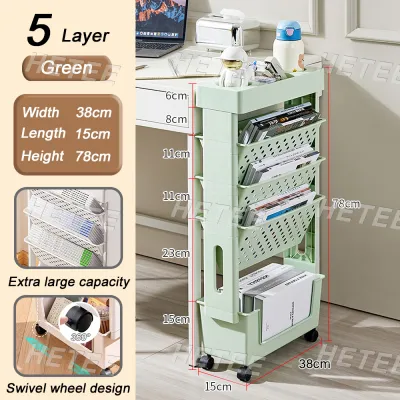
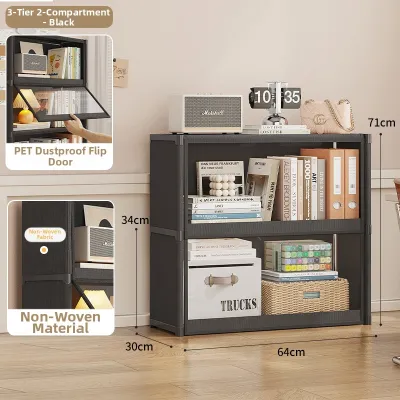
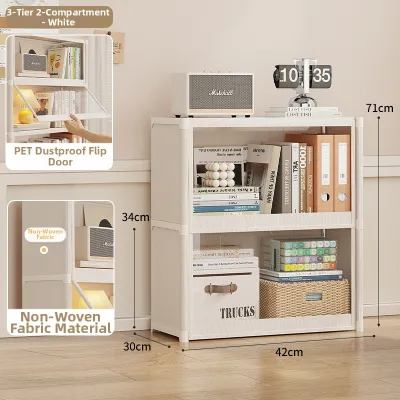
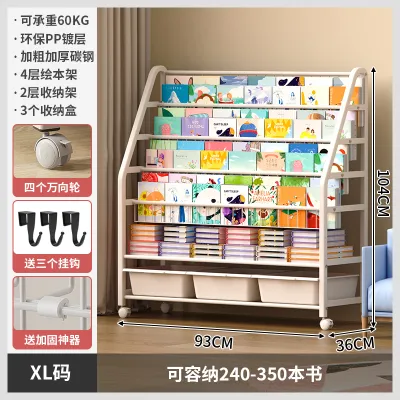
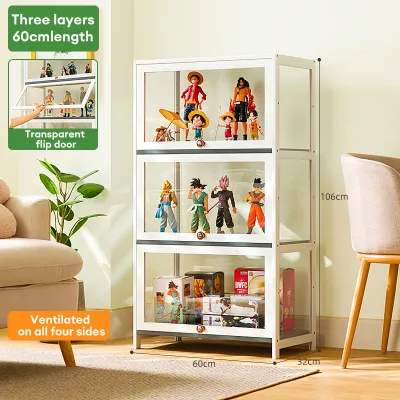
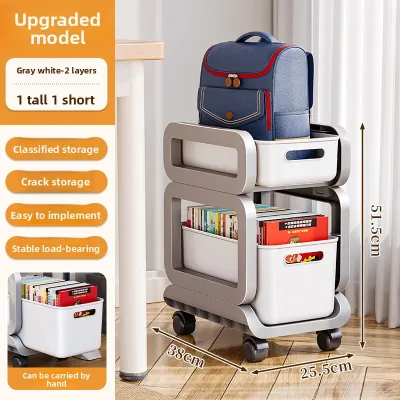
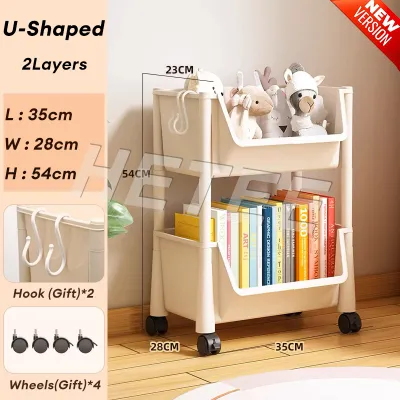
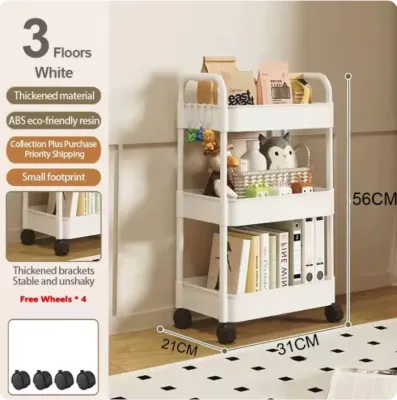
Prices are valid at publication and may change. Please refer to the product page for the latest price.
To help you narrow down your options, consider this quick matching framework based on your primary storage needs:
- Heavy Textbook Storage: Prioritize heavy-duty polypropylene (PP) or ABS plastic units featuring integrated metal support bars, ribbed under-shelf designs, and thick interlocking joints.
- Light Stationery and Notebook Sorting: Opt for modular desktop organizers, multi-tier rolling utility carts, or units with integrated pull-out drawers and document trays.
- Oversized Binders and Files: Look for organizers with adjustable shelf heights or open-top compartments that accommodate non-standard document sizes.
- Dust and Moisture Protection: Choose enclosed or semi-enclosed plastic cabinets with transparent front doors to shield your collection from environmental wear.
Before making a final decision, always measure your available space and check the manufacturer’s load-bearing labels. Ensuring the unit’s dimensions and weight limits align with your study materials is the most reliable way to guarantee long-term satisfaction.
Assessing Your Study Space and Storage Requirements
Selecting the right organizer begins with a precise assessment of your physical study environment. A common mistake is purchasing a shelving unit based solely on its online photos, only to find it crowds your desk or blocks a vital walkway once assembled.

Start by measuring the exact footprint of your intended setup area. If you are looking for a desktop organizer, measure your desk’s depth and width, ensuring the unit leaves ample room for your computer, keyboard, mouse, and active writing space. For freestanding or corner units, measure the floor area and the vertical wall clearance, taking note of nearby light switches, electrical outlets, and window frames that should not be obstructed.
Next, estimate the volume and weight of the items you plan to store. Gather your textbooks, reference manuals, notebooks, and binders, and measure their combined linear length to determine how many meters of shelving you actually need. Keep in mind that paper is surprisingly heavy; a tight stack of academic textbooks can easily weigh several kilograms, which directly impacts the type of plastic construction you require.
Finally, do not overlook the delivery and assembly path. While many plastic organizers are shipped flat-packed for easy transport, some modular designs feature large, pre-molded components. Measure your doorways, narrow hallways, and staircase clearances to ensure you can easily bring the packaged unit into your dedicated study room without damaging your walls or the product packaging.
Evaluating Plastic Construction and Load-Bearing Limits
In tropical climates like the Philippines, high humidity can cause traditional wooden bookshelves to warp or mold, and low-grade metal shelves to rust over time. High-quality plastic organizers offer an excellent, moisture-resistant alternative, but you must carefully evaluate their construction to ensure they can handle the physical stress of book storage.
When reviewing product specifications, look closely at the type of plastic used. Polypropylene (PP) is highly durable, flexible, and resistant to chemical cleaning agents, making it a standard choice for modular shelving. Acrylonitrile Butadiene Styrene (ABS) is stiffer and offers superior impact and scratch resistance, which is ideal for heavy-use desktop organizers and structural joints.
To prevent the common issue of shelf bowing, inspect the product details for structural reinforcements. High-quality plastic shelves rarely rely on flat plastic sheets alone; instead, they feature molded ribbing patterns on the underside of each shelf to distribute weight evenly. Some premium models integrate hidden metal support rods within the plastic frame, significantly increasing the load capacity without adding visual bulk.
Always locate the manufacturer’s official load-bearing rating rather than guessing based on visual thickness. A reliable product listing will state a maximum weight capacity per shelf, often ranging from 3 kg for light desktop units to 15 kg or more for reinforced freestanding models. When planning your study budget, investing a portion of your funds (often ranging within a few hundred pesos, ₱) into a certified, high-capacity model will prevent the costly necessity of replacing a collapsed unit later.
Matching Organizer Designs to Your Study Materials
The physical design of your plastic organizer should directly reflect the specific items you use daily. A mismatched design can make retrieving a simple notebook frustrating, while a well-planned layout keeps your most-used tools within arm’s reach.
- Adjustable vs. Fixed Shelving: Fixed-height shelves provide excellent structural stability because the joints are permanently locked, but they limit your ability to store tall items like ring binders or oversized art books. If your collection includes diverse book sizes, look for modular plastic units with adjustable peg systems or stackable configurations that let you customize the vertical clearance of each tier.
- Integrated Drawers and Modular Bins: Books are rarely the only items in a study setup. To keep small stationery, charging cables, calculators, and loose notes organized, choose a system that integrates small drawers or removable plastic bins. This prevents small items from cluttering your open shelves and keeps your workspace looking clean and streamlined.
- Open-Back vs. Enclosed Designs: Open-back plastic shelves are highly versatile, allowing you to run power cables for desk lamps or chargers directly through the unit. However, if you want to protect rare books from dust or reduce visual clutter, an enclosed cabinet design with solid back panels or magnetic front doors is highly beneficial. Lipped shelves are another excellent middle-ground feature, preventing books from accidentally sliding off the back or sides of the unit.
Assembly, Placement, and Safety Verification
Once your plastic bookshelf organizer arrives, proper assembly and placement are critical to ensuring its structural integrity and the safety of your study environment. Even the sturdiest plastic shelf can become a hazard if it is put together incorrectly or placed on an uneven surface.
Before unboxing, clear a clean, flat area on your floor to lay out all the components. Verify that all plastic panels, connectors, screws, and tools listed in the instruction manual are present. Most plastic organizers utilize snap-fit joints or plastic dowels; avoid using heavy metal hammers to force these pieces together, as excessive impact can crack the plastic. A rubber mallet or the palm of your hand is usually sufficient to secure the connections firmly.
When placing a freestanding plastic organizer, check the levelness of your floor. Tiled or slightly uneven floors can cause tall, lightweight plastic units to lean, which shifts the center of gravity and increases the risk of tipping. If the unit is taller than one meter, it is highly recommended to use the included wall anchors or anti-tip kits to secure the frame directly to your wall, especially if you have pets or young children in your home.
Finally, establish a simple routine to check the condition of your organizer every few months. Inspect the shelves for any signs of bowing or sagging, and check the joints for stress whitening—a physical change where the plastic turns white under excessive tension. If you notice these warning signs, redistribute the weight immediately by moving heavier items to the lowest shelves, or reduce the overall load to preserve the lifespan of your organizer.
Frequently Asked Questions (FAQ)
How do I clean and maintain plastic shelves without damaging them?
Cleaning plastic bookshelf organizers is straightforward, but using the wrong materials can dull the finish or cause micro-scratches that attract dust. For routine maintenance, wipe the surfaces with a soft microfiber cloth slightly dampened with water and a few drops of mild dish soap. Avoid using abrasive scrubbing pads, steel wool, or harsh chemical solvents like acetone and bleach, as these can permanently degrade the plastic surface. After cleaning, dry the shelves thoroughly with a clean towel, paying close attention to the connection joints and crevices where moisture can accumulate and encourage mold growth.
Can plastic bookshelf organizers support heavy textbook collections?
Yes, plastic organizers can support heavy textbook collections, but only if you select a model specifically rated for high load capacities and follow proper weight distribution practices. Always check the manufacturer’s specified weight limit per shelf before loading your books. To maintain maximum stability, place your heaviest reference books and thickest binders on the bottom shelf to keep the unit’s center of gravity as low as possible. If you observe any bowing of the shelves, leaning of the frame, or hairline cracks near the joints, immediately remove some of the weight to prevent structural failure.

Community discussion
Share your experience or ask a question. Comments are reviewed before publication.